
Pho is a Vietnamese noodle soup that has become a favorite comfort food in the United States. A bowl typically combines rice noodles, a deeply flavored broth, and thinly sliced beef or chicken, finished with fresh herbs and lime. Whether it is healthy for you depends almost entirely on how it is prepared and what you add to it. A classic bowl can be a balanced meal, but it can also be surprisingly high in sodium and calories depending on the restaurant and portion size.
What Is Actually in a Bowl of Pho?
Pho starts with a broth that is simmered for hours. The traditional version uses beef bones, onions, ginger, and spices like star anise, cinnamon, and cloves. This long simmer extracts collagen and minerals from the bones, which gives the broth its body and rich flavor.
The noodles are made from rice flour and water. They are naturally gluten-free. The protein is usually raw beef slices that cook quickly in the hot broth, or shredded chicken. The bowl is finished with fresh basil, cilantro, bean sprouts, jalapeño slices, and a wedge of lime.
The base ingredients are genuinely nutritious. Bone broth provides protein and minerals. Fresh herbs add vitamins and antioxidants. Rice noodles offer quick energy. The problem is rarely the ingredients themselves. It is the sodium content and the portion size that deserve attention.
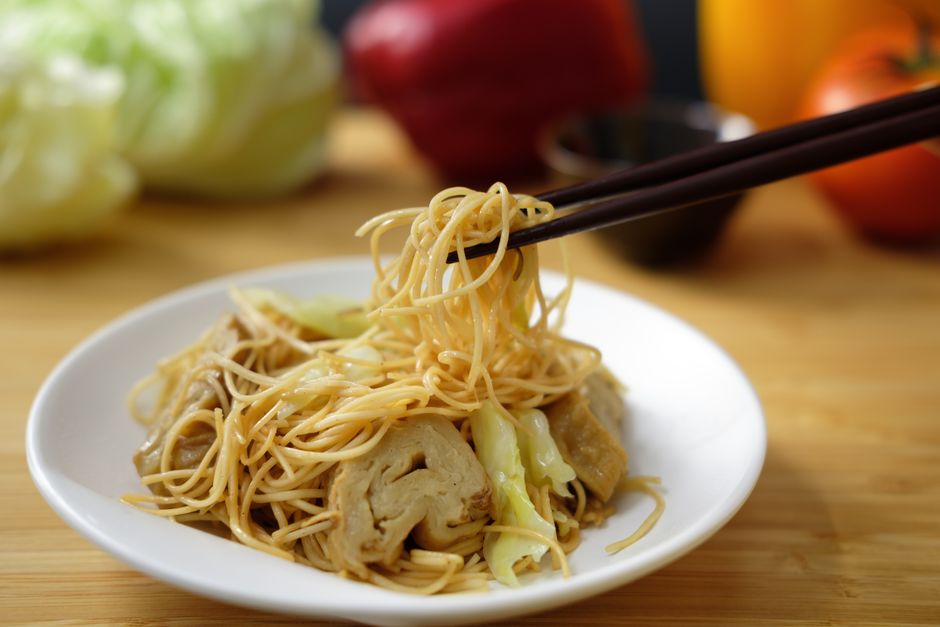
Are Pho Noodles Healthy Nutrition Facts And Benefits
The nutritional profile of pho varies widely between restaurants and homemade versions. A typical restaurant bowl can contain 600 to 1,000 calories or more. The broth is the main source of sodium, and a single bowl can easily exceed 1,000 milligrams of sodium. The Dietary Guidelines for Americans recommend limiting sodium to less than 2,300 milligrams per day. One bowl of pho can deliver nearly half of that daily limit.
The rice noodles themselves are mostly carbohydrates. A standard serving provides around 40 to 60 grams of carbs. They are not a significant source of fiber or protein. The protein comes from the meat. A bowl with 3 to 4 ounces of beef provides roughly 20 to 25 grams of protein, which is a solid contribution to your daily needs.
When you look at the full picture, pho can be a satisfying meal that includes protein, carbohydrates, and vegetables. The benefits are real but conditional. The healthiest version is one you control at home, where you can reduce the salt and increase the vegetables.
What Are the Main Health Benefits of Pho?
The broth is the star of the bowl, and it offers more than just flavor. When bones simmer for hours, the broth collects collagen, gelatin, and amino acids. Glycine and proline, two amino acids found in bone broth, play roles in joint health and tissue repair. Some research suggests these compounds may support gut health, though human studies are limited.
The fresh herbs are a genuine nutritional asset. Basil and cilantro contain antioxidants that help neutralize free radicals in the body. Bean sprouts provide vitamin C and fiber. The lime juice adds vitamin C as well. These toppings are low in calories and high in nutrients, so loading up on them is a smart move.
Pho is also a warming, high-volume meal. The broth takes up space in your stomach, which can help you feel full on fewer calories. For people watching their weight, a broth-based soup is often more satisfying than a dry meal with the same calorie count. This is one reason pho can fit into a weight management plan.





What Are the Downsides of Eating Pho?
Sodium is the biggest concern. Restaurant broth is typically seasoned heavily to create a bold flavor. If you have high blood pressure or are salt-sensitive, a single bowl can push you well past your daily sodium target. Ask for the broth on the side, or choose a low-sodium version if you make it at home.
Calorie density is the second issue. The portion sizes at many restaurants are generous. A large bowl can contain two servings of noodles and a substantial amount of meat. The calories add up quickly, especially if you also add hoisin sauce and sriracha. These condiments are high in sugar and sodium, and a few spoonfuls can add 100 calories or more.
The protein content depends on the cut of meat. Fatty cuts of beef, like brisket or flank, add saturated fat. If you eat pho regularly, choose lean cuts like eye of round or chicken breast. This small change reduces saturated fat without sacrificing flavor.
How Does Pho Compare to Other Soups and Noodle Dishes?
Compared to other takeout options, pho is often a better choice. A bowl of ramen typically contains a pork or chicken broth that is higher in fat and calories. Pad Thai is made with rice noodles but includes sugar, oil, and peanuts, which push the calorie count higher. Pho’s broth-based nature gives it an advantage in calorie control.
Compared to canned soups, pho is generally less processed. Canned soups often contain preservatives and higher levels of sodium per serving. A homemade pho broth gives you control over every ingredient.
One honest limitation is the vegetable content. A typical bowl of pho has fewer vegetables than a salad or a stir-fry. The herbs and bean sprouts are nutritious, but they are not a full serving of vegetables. If you want more fiber and vitamins, add extra bean sprouts and ask for additional herbs.
| Component | Typical Restaurant Bowl | Healthier Version |
|---|---|---|
| Calories | 600–1,000 | 400–600 |
| Sodium | 1,000–1,500 mg | 500–800 mg |
| Protein | 20–30 g | 25–35 g |
| Carbohydrates | 50–80 g | 30–50 g |
| Vegetables | 1/2 cup | 1–2 cups |
How Can You Make Pho Healthier at Home?
Making pho at home gives you full control over the nutritional profile. Start with a low-sodium broth or make your own and season it lightly. Use lean cuts of meat and increase the vegetable content. Add extra bean sprouts, sliced cabbage, or bok choy to boost fiber without adding many calories.
Use less noodles. A standard recipe calls for a generous portion of rice noodles, but you can cut that in half and add more vegetables and protein instead. This simple switch reduces carbohydrates while keeping the meal filling.
Be careful with condiments. Hoisin sauce and sriracha are flavor boosters, but they are also sources of sugar and sodium. Use them sparingly, or skip them entirely and rely on lime juice and fresh chili for heat. Lime adds vitamin C without any downside.
If you eat pho at a restaurant, make specific requests. Ask for the sauce on the side, request extra bean sprouts, and consider ordering a small bowl instead of a large one. Most restaurants are happy to accommodate these changes.
Who Should Be Careful With Pho?
People with high blood pressure or kidney disease should be cautious. The sodium content in restaurant pho can be a problem for these conditions. If you fall into this category, choose a homemade version with reduced salt, or ask the restaurant to prepare the broth with less seasoning.
People with diabetes need to watch the carbohydrate portion. Rice noodles are quickly digested and can raise blood sugar. Pairing the noodles with protein and vegetables helps slow the rise. Some people choose to use fewer noodles or substitute with zucchini noodles, though this changes the traditional texture.
Pregnant women should be aware of food safety concerns. Raw beef slices are cooked in the hot broth, but if the broth is not hot enough, the meat may not reach a safe internal temperature. Order fully cooked meat and ensure the broth is steaming hot. This is an established food safety recommendation.
Is Pho a Good Choice for Weight Loss?
Pho can fit into a weight loss plan, but it is not automatically a diet food. The broth is low in calories, which helps with satiety. The high water content of the soup fills your stomach and signals fullness. This is a genuine advantage over dry meals.
The key is portion control. A small bowl with extra vegetables and lean meat is a balanced meal. A large bowl with extra noodles and fatty meat is a calorie-heavy meal. The same dish can be either depending on how it is assembled.
Some evidence suggests that eating broth-based soups before a meal can reduce total calorie intake. This effect is modest but consistent across studies. If you are trying to lose weight, starting a meal with a broth-based soup like pho may help you eat less overall.
Frequently Asked Questions
Is pho healthy for you every day?
Eating pho daily is not recommended because of the sodium content in most restaurant versions. A homemade version with reduced salt and extra vegetables could be part of a daily diet, but portion control remains important.
Is pho high in carbs?
Yes, pho is high in carbohydrates because of the rice noodles. A typical bowl contains 40 to 60 grams of carbs, which is a significant portion of the daily recommended intake.
Is pho good for weight loss?
Pho can support weight loss when portion sizes are controlled and the bowl is loaded with vegetables and lean protein. The broth-based soup is filling, but large portions with extra noodles can quickly increase calories.
Is pho high in sodium?
Restaurant pho is typically high in sodium, often containing 1,000 milligrams or more per bowl. Homemade versions with reduced salt can lower this significantly.
