
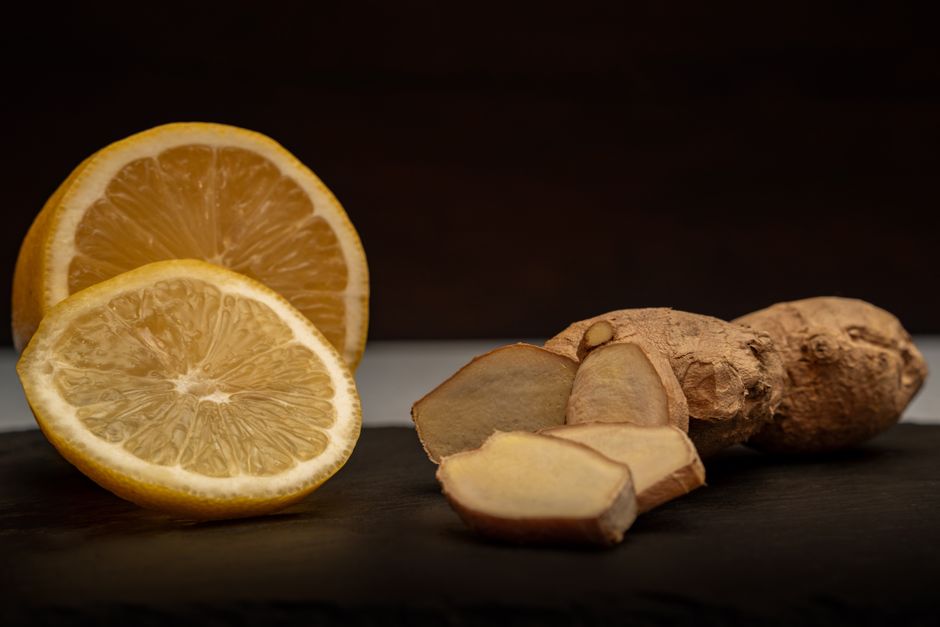
Sand ginger flavor comes from a rhizome called Kaempferia galanga, also known as kencur or aromatic ginger. It is not the same as the common ginger you find in most grocery stores. The flavor is sharp, camphor-like, and slightly medicinal, with a warm peppery bite that fades into a cool, almost citrus-like finish. You will find it most often in Southeast Asian cooking, especially Thai, Indonesian, and Malaysian dishes, where it adds a unique note that regular ginger cannot replace.
What Is Sand Ginger Flavor Uses And Benefits?
Sand ginger flavor is earthy, spicy, and slightly bitter with a distinctive camphor aroma. Unlike regular ginger, which is hot and pungent, sand ginger has a more complex profile that some people describe as similar to cardamom or even a mild eucalyptus. It is used in spice pastes, marinades, and soups to add depth without overwhelming heat.
The benefits of sand ginger go beyond cooking. Traditional medicine systems in Asia have used it for digestion, respiratory issues, and skin conditions. Modern research is beginning to look at its compounds, but the evidence is still early. Most of what we know about its health effects comes from laboratory studies and traditional use, not large human clinical trials.
In the kitchen, sand ginger is often dried and ground into a powder. Fresh sand ginger is harder to find outside of Asia, but it has a stronger, more aromatic presence. The dried powder is what most home cooks will encounter, and it is a staple in many curry pastes and spice blends.
How Does Sand Ginger Differ From Regular Ginger?
Regular ginger (Zingiber officinale) and sand ginger (Kaempferia galanga) are different plants entirely. They belong to the same botanical family, but their flavors, appearances, and uses diverge significantly.
Regular ginger is juicy, fibrous, and sharp with a clean heat. Sand ginger is drier, denser, and less fibrous. Its heat is more subtle, but its aroma is stronger and more resinous. If you substitute regular ginger for sand ginger in a recipe, the dish will lose a layer of complexity. The reverse is also true — sand ginger does not provide the same punch that regular ginger does.
In Thai cuisine, sand ginger is a key ingredient in the famous coconut milk chicken soup called tom kha gai. It is also used in many Indonesian dishes like soto ayam and in the spice paste bumbu kuning. Regular ginger appears in these cuisines too, but it plays a different role.
Here is a quick comparison of the two:
- Botanical name: Sand ginger is Kaempferia galanga. Regular ginger is Zingiber officinale.
- Flavor: Sand ginger is camphor-like, earthy, and mildly spicy. Regular ginger is sharp, pungent, and hot.
- Texture: Sand ginger is dense and dry. Regular ginger is fibrous and juicy.
- Common forms: Sand ginger is usually sold dried and powdered. Regular ginger is sold fresh, dried, pickled, and candied.
- Culinary role: Sand ginger adds aroma and depth. Regular ginger adds heat and brightness.
What Does Sand Ginger Taste Like in Food?
The taste of sand ginger is hard to describe if you have never tried it. Imagine a blend of white pepper, cardamom, and a hint of eucalyptus. There is a slight bitterness that balances the sweetness of coconut milk or palm sugar in many dishes.
When used in marinades, sand ginger helps tenderize meat and adds a savory quality that is difficult to replicate. It pairs well with garlic, shallots, lemongrass, and turmeric — all common ingredients in Southeast Asian cooking.
Some people detect a soapy or floral note in sand ginger. This comes from compounds called terpenes, which are also found in many herbs and spices. The aroma is strong, so a little goes a long way. Start with a small amount and adjust to taste.
Sand ginger is also used in some beverages and desserts. In Indonesia, it is brewed into a traditional drink called beras kencur, made with rice, palm sugar, and coconut milk. The flavor is warming and slightly medicinal, which is part of its appeal.




What Are the Potential Health Benefits of Sand Ginger?
Traditional medicine has used sand ginger for centuries. Practitioners have recommended it for digestive complaints, coughs, and skin irritations. Some cultures chew the raw rhizome to relieve nausea or toothache. These uses are part of cultural tradition, but they are not all confirmed by modern science.
Laboratory studies have identified several bioactive compounds in sand ginger, including ethyl-p-methoxycinnamate and other flavonoids. Some research suggests these compounds have anti-inflammatory and antioxidant properties. However, most of this work has been done in test tubes or on animals, not in controlled human trials.
One area of interest is sand ginger’s potential effect on pain and inflammation. A few small studies have looked at topical applications for joint pain, but the results are preliminary. No clinical guidelines currently exist for using sand ginger to treat any specific condition.
Some research suggests sand ginger may have antimicrobial properties. Again, this is based on laboratory studies. It is not a substitute for medical treatment, and no evidence supports using it to fight infections in humans.
The honest position is this: sand ginger is a flavorful spice with a long history of traditional use. Its health benefits are plausible but not proven. If you enjoy the flavor, there is no harm in using it in cooking. But do not rely on it to treat any medical condition.
How Do You Cook With Sand Ginger?
Sand ginger is most commonly available as a dried powder. Look for it in Asian grocery stores or online. It may be labeled as kencur, galangal powder, or sand ginger powder. Make sure you are buying Kaempferia galanga and not regular galangal (Alpinia galanga), which is a different spice with a sharper, more pine-like flavor.
To use sand ginger powder, add it to curry pastes, marinades, or rubs. It works well with chicken, fish, and tofu. It also complements coconut milk, lime, and chili.
Here are some practical ways to use it:
- Add half a teaspoon to a Thai-style coconut soup.
- Mix it into a marinade with garlic, fish sauce, and lime juice.
- Combine it with turmeric and coriander for a dry rub on roasted vegetables.
- Stir a small pinch into rice cooking water for a subtle aroma.
Fresh sand ginger is harder to find. If you do get it, peel and mince it like regular ginger. The fresh version is more aromatic and less bitter than the dried powder. You can also slice it and add it to soups, removing it before serving.
Are There Any Risks or Side Effects?
Sand ginger is generally recognized as safe when used in food amounts. Culinary quantities are small, and no serious side effects have been reported from normal cooking use.
There is limited safety data for higher doses or concentrated extracts. Pregnant and breastfeeding women should avoid medicinal amounts of sand ginger because no reliable safety information exists for these populations. If you are taking blood-thinning medication or have a bleeding disorder, talk to your doctor before using concentrated forms.
Some people may experience skin irritation from direct contact with fresh sand ginger. This is uncommon but possible. If you develop a rash or irritation, stop using it.
Do not confuse sand ginger with regular galangal or ginger when buying supplements. The names are similar, and mislabeling happens. Always check the botanical name on the product label.
What Is the Bottom Line on Sand Ginger?
Sand ginger is a distinctive spice that adds a unique flavor to Southeast Asian dishes. It is not the same as regular ginger, and substituting one for the other will change the dish.
The health benefits are traditionally recognized but not scientifically confirmed. Use it for flavor, not as a medicine. If you enjoy cooking Thai or Indonesian food, sand ginger is worth adding to your spice rack.
Buy it from a reputable source, store it in a cool dark place, and use it within a year for the best flavor. A small amount goes a long way, so start light and adjust to your taste.
Frequently Asked Questions
What does sand ginger taste like?
Sand ginger tastes earthy, spicy, and slightly bitter with a camphor-like aroma and a hint of citrus. It is milder than regular ginger but more complex in its fragrance.
Can I substitute regular ginger for sand ginger?
You can substitute regular ginger in a pinch, but the flavor will be noticeably different. Regular ginger is hotter and sharper, while sand ginger has a more aromatic, medicinal quality.
Where can I buy sand ginger?
Sand ginger powder is available at Asian grocery stores and online retailers. Look for labels that say kencur or Kaempferia galanga to make sure you are getting the right product.
Is sand ginger safe to eat every day?
Sand ginger is safe in normal food amounts as part of a varied diet. No clinical guidelines exist for daily medicinal use, and concentrated extracts should not be used without medical advice.
