
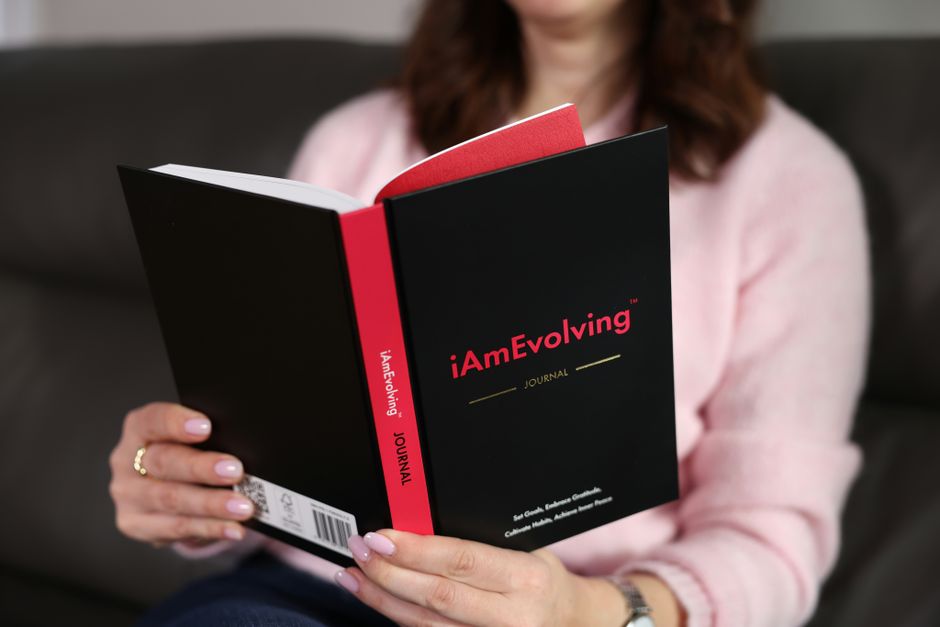
Journaling is the practice of writing down your thoughts, feelings, and experiences on a regular basis. It is a simple tool that helps you process emotions, clarify your thinking, and track your personal growth over time. Research has found that expressive writing can improve mood, reduce stress, and even support physical health, making it one of the most accessible mental health practices available.
What Are The Benefits Of Journaling?
Studies have found that regular journaling offers measurable benefits for both mental and physical health. The act of putting words to your experiences helps your brain organize information and reduces the emotional intensity of stressful events.
Research published in the Journal of Experimental Psychology found that expressive writing can reduce intrusive thoughts and improve working memory. Other studies indicate that people who journal report lower levels of anxiety and depression symptoms compared to those who do not write regularly.
The mental health benefits appear strongest when you write about difficult experiences rather than just recording daily events. Writing about a stressful situation helps you make sense of it, which lowers its emotional charge. This is why therapists often recommend journaling as a complement to counseling rather than a replacement for it.
How Does Journaling Affect The Brain?
Writing by hand engages multiple areas of the brain simultaneously. The process of forming letters activates the reticular activating system, which filters information and brings relevant details to your attention. This is why ideas often feel clearer after you write them down.
Neuroimaging studies show that expressive writing changes how the brain processes emotional memories. When you write about a painful experience, activity shifts from the amygdala — the brain’s fear center — to the prefrontal cortex, which handles reasoning and planning. This shift helps you view the experience with more perspective and less distress.
Journaling also strengthens the connection between the left hemisphere, which handles language, and the right hemisphere, which processes emotion. This integration allows you to name what you feel and understand it at the same time. Over weeks and months, this repeated practice can make emotional regulation feel more automatic.
Does Journaling Reduce Stress And Anxiety?
Yes. Multiple studies have found that expressive writing lowers markers of stress, including reduced blood pressure and improved sleep quality. The effect appears related to emotional disclosure rather than the act of writing itself.
When you hold a worry in your head without expressing it, your body stays in a low-level state of alert. Writing forces you to organize that worry into coherent sentences, which reduces its vagueness and power. Naming a fear makes it feel more manageable because it becomes a concrete problem you can address.
Some research suggests that journaling before bed can reduce bedtime worry and improve sleep duration. Writing a to-do list for the next day appears to offload mental burden, allowing the brain to rest. The evidence for this specific practice is modest but promising.
Journaling is not a treatment for diagnosed anxiety disorders. If anxiety interferes with daily functioning, professional help is the appropriate step. Journaling can support that treatment, but it should not replace it.





Can Journaling Improve Physical Health?
Expressive writing has been linked to several physical health benefits. A landmark study from the 1980s found that students who wrote about traumatic experiences made fewer visits to the health center in the following months compared to students who wrote about neutral topics.
Research has found that expressive writing can improve immune function in some populations. Studies of patients with asthma and rheumatoid arthritis found that those who wrote about stressful experiences showed modest improvements in disease severity compared to control groups. The effects were real but not large enough to replace medical treatment.
Writing has also been associated with faster wound healing in older adults. One study found that adults who wrote expressively for three days showed faster biopsy wound healing two weeks later than those who wrote about daily plans. The mechanism appears related to reduced cortisol levels, which can suppress immune response when chronically elevated.
The physical health evidence is promising but not definitive. Most studies are small, and results vary across populations. The honest summary is that journaling appears to support physical health through stress reduction, but it is not a medical intervention.
What Is The Difference Between Journaling And Keeping A Diary?
The terms are often used interchangeably, but they describe different practices. A diary typically records events — what happened, where you went, who you saw. Journaling focuses on processing — how you felt, what you learned, what you want to change.
A diary answers the question “What happened?” A journal answers the question “What does it mean?” This distinction matters because the benefits of expressive writing come from the processing, not the recording.
Many people find that a combination works best. You can record the events of your day briefly, then spend more time exploring your reactions to them. The goal is not to produce polished writing. The goal is to think clearly on paper.
How Often Should You Journal To See Benefits?
Research studies typically use sessions of 15 to 20 minutes, three to four times per week. This frequency appears sufficient to produce measurable benefits in most studies. Daily journaling is not necessary, and some research suggests that writing about the same trauma too frequently can reinforce negative thinking.
The quality of your writing matters more than the quantity. Writing with genuine emotional engagement produces stronger effects than writing with detachment or avoidance. If you find yourself writing the same complaints repeatedly without any shift in perspective, the practice may be maintaining your distress rather than reducing it.
Some research indicates that writing about positive experiences also offers benefits, including improved mood and life satisfaction. A gratitude journal — writing down three things you are thankful for each day — has been studied extensively and consistently shows modest improvements in well-being.
Does Journaling Help With Depression?
Some studies suggest that expressive writing can reduce depressive symptoms, particularly when combined with professional treatment. Writing helps break the cycle of rumination by externalizing thoughts and creating distance from them.
The evidence for journaling as a standalone treatment for depression is weak. No study has shown that journaling alone resolves clinical depression. For mild depressive symptoms, journaling may offer meaningful relief. For moderate to severe depression, professional treatment is necessary.
One caution: people with depression sometimes find that writing about negative experiences makes them feel worse in the short term. If journaling consistently leaves you feeling more distressed, stop and speak with a mental health professional. The practice should reduce suffering, not amplify it.
What Are The Best Ways To Start Journaling?
Start with a simple notebook and pen. You do not need a fancy journal, an app, or a specific format. The barrier to entry should be as low as possible.
Set a timer for 10 minutes and write without stopping. Do not worry about grammar, spelling, or coherence. The goal is to get thoughts from your head onto the page without self-censorship.
If you do not know what to write about, use a prompt. Common prompts include:
- What is weighing on my mind right now?
- What happened today that I want to remember?
- What am I avoiding thinking about?
- What would I say to someone who hurt me?
- What am I looking forward to?
Write at the same time each day if you can. Morning journaling helps set intentions. Evening journaling helps process the day. Both work. Consistency matters more than timing.
Frequently Asked Questions
How long should I journal each day?
Research studies typically use sessions of 15 to 20 minutes, three to four times per week. Shorter sessions of 5 to 10 minutes can still offer benefits if done consistently.
Is it better to journal in the morning or at night?
Both times work, and the best choice depends on your goals. Morning journaling helps set intentions for the day, while evening journaling helps process events and reduce bedtime worry.
Can journaling replace therapy?
No. Journaling can support therapy and offer relief for mild distress, but it is not a treatment for diagnosed mental health conditions. Professional care is necessary for moderate to severe symptoms.
What should I write about in my journal?
Write about whatever feels emotionally present — worries, frustrations, decisions, or things you are grateful for. Writing about difficult experiences with genuine emotional engagement produces the strongest benefits.
