
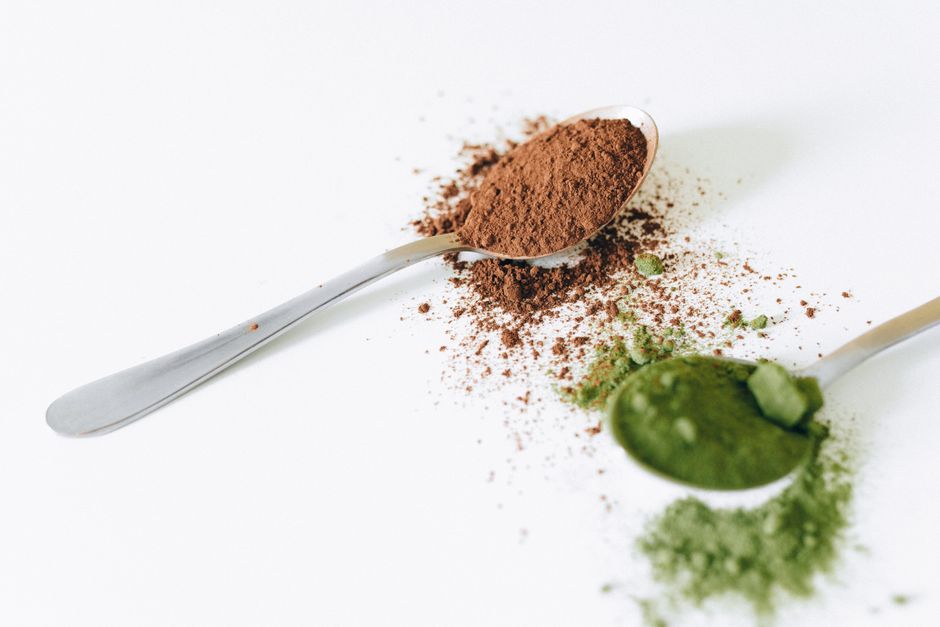
Cocoa powder contains compounds called flavanols that can help blood vessels relax and widen. That effect is real, and it has been measured in clinical trials. But the size of the benefit is modest, it depends heavily on which cocoa product you use, and it does not replace medication or other heart-healthy habits. Used the right way, cocoa can be a small, pleasant part of a blood pressure plan.
How To Use Cocoa Powder To Lower Blood Pressure
The short version: use unsweetened natural cocoa powder, not Dutch-processed, and mix it into a drink or food you already eat. Keep added sugar low. Expect a small effect, not a dramatic one.
Dutch-processed cocoa, also called alkalized cocoa, is treated with an alkali to reduce acidity and darken the color. That process also destroys much of the flavanol content. If you are choosing cocoa for blood pressure reasons, natural unsweetened cocoa is the better pick.
A practical daily approach looks like this:
- Stir one to two tablespoons of unsweetened natural cocoa powder into warm milk, oatmeal, yogurt, or a smoothie.
- Skip the sugar. Sweetened cocoa mixes are mostly sugar and often contain little actual cocoa.
- Pair it with a source of potassium, like a banana or a glass of low-fat milk, if your diet allows.
- Keep it consistent. Occasional large doses are not the same as daily moderate intake.
One clarification worth making: “cocoa” on a label does not always mean flavanol-rich cocoa. Chocolate bars, chocolate-flavored drinks, and most instant hot cocoa mixes are not good sources. The flavanol content varies enormously between products, and most labels do not list it at all.
What Does The Research Actually Show About Cocoa And Blood Pressure?
Research consistently shows a small average reduction in blood pressure from cocoa flavanols. The effect is real but modest.
Cocoa beans contain flavanols, a class of plant compounds also found in tea, berries, and apples. One subgroup, called flavan-3-ols, appears to support the cells lining blood vessels. These cells produce nitric oxide, a molecule that signals the surrounding muscle to relax. When that signal works well, vessels widen and pressure tends to fall.
Clinical trials have tested cocoa flavanol intake against placebo. Reviews of these trials generally find a small drop in systolic and diastolic pressure, with the larger effects showing up in people who already have high blood pressure or elevated readings. In people with normal blood pressure, the change tends to be smaller.
Two honest caveats. First, many trials used specially prepared flavanol-rich cocoa products, not grocery store cocoa powder. Second, the studies are usually short, often a few weeks to a few months. Whether the small benefit holds up over years is not well established.
So the mechanism is well understood, and the short-term effect is documented. The long-term picture is less certain.
Which Cocoa Powder Should You Choose?
Unsweetened natural cocoa powder is the best choice for flavanol content. Dutch-processed cocoa has lost much of what you are after.
Here is how the common options compare:
| Product | Flavanol content | Added sugar | Notes |
|---|---|---|---|
| Unsweetened natural cocoa powder | Higher | None | Best choice for this purpose |
| Dutch-processed cocoa powder | Lower | None | Alkalizing reduces flavanols |
| Instant hot cocoa mix | Variable, often low | High | Mostly sugar |
| Dark chocolate | Variable | Some | Contains cocoa butter and calories |
| Milk chocolate | Low | High | Not a meaningful source |
Some manufacturers now label flavanol content on cocoa products. When that number is available, it is more useful than the percentage of cocoa solids, which tells you nothing about flavanols directly.
Organic does not mean higher flavanol. “Raw” does not mean higher flavanol either. These are marketing terms, not measures of the compounds you are looking for.





How Much Cocoa Do You Need?
There is no official recommended daily amount of cocoa for blood pressure. No clinical guideline sets a target dose.
What the trials suggest is that a meaningful flavanol intake is higher than most people get from occasional chocolate. Many studies used amounts that would be difficult to reach with a typical diet. This is one reason the effect in real life is often smaller than in studies.
A reasonable, food-based approach is one to two tablespoons of unsweetened cocoa powder per day. That is a food amount, not a clinical dose, and it is not guaranteed to produce a measurable change in your blood pressure.
If you want to know whether it is doing anything for you, measure. Check your blood pressure at home with a validated cuff, at the same time each day, and track it for a few weeks. A change of a few points may be within normal day-to-day variation, so look at the trend, not a single reading.
Does Cocoa Interact With Blood Pressure Medication?
Cocoa and chocolate contain caffeine and related compounds, and they can interact with some medications. This matters if you take certain drugs.
The most relevant concern is with MAO inhibitors, an older class of antidepressants. These medications can interact with tyramine, a compound found in cocoa and other foods, and can cause a dangerous rise in blood pressure. If you take an MAOI, talk to your prescriber before adding cocoa to your routine.
Cocoa also contains caffeine, which can raise blood pressure slightly in some people, especially those who are not used to it. The amount in a tablespoon of cocoa powder is small, but it is not zero.
If you take blood pressure medication, do not stop or change it based on cocoa. Cocoa is not a substitute for medication, and no trial has shown it can replace one.
What Are The Limits Of Cocoa For Blood Pressure?
Cocoa is a small lever, not a big one. The effect on blood pressure is modest and should be treated as a supporting habit.
The things that move blood pressure the most are well established: reducing sodium, eating more potassium-rich foods, losing excess weight, exercising regularly, limiting alcohol, and taking prescribed medication as directed. Cocoa does not replace any of these.
There is also a calorie and sugar trap. Chocolate and sweetened cocoa drinks can add significant sugar and fat. If a cocoa habit adds weight, it can work against your blood pressure rather than for it.
And the evidence has gaps. Most trials are short. Many used specialized products. The long-term effect of everyday cocoa powder on heart outcomes, like heart attacks and strokes, is not established.
So use cocoa as a small, enjoyable addition to a broader plan. Do not expect it to fix high blood pressure on its own, and do not let it crowd out the habits that matter more.
Frequently Asked Questions
Does cocoa powder really lower blood pressure?
Research consistently shows a small average reduction in blood pressure from cocoa flavanols, with larger effects in people who already have high blood pressure. The effect is modest and does not replace medication or other heart-healthy habits.
Is Dutch-processed cocoa as good as natural cocoa for blood pressure?
No. Dutch processing uses an alkali that reduces flavanol content, so natural unsweetened cocoa is the better choice for this purpose.
How much cocoa powder should I take daily for blood pressure?
No official guideline sets a daily amount. A food-based approach of one to two tablespoons of unsweetened natural cocoa powder per day is reasonable, but it is not a clinical dose and may not produce a measurable change.
Can cocoa replace blood pressure medication?
No. No trial has shown cocoa can replace blood pressure medication, and stopping or changing prescribed medication on your own can be dangerous.
