
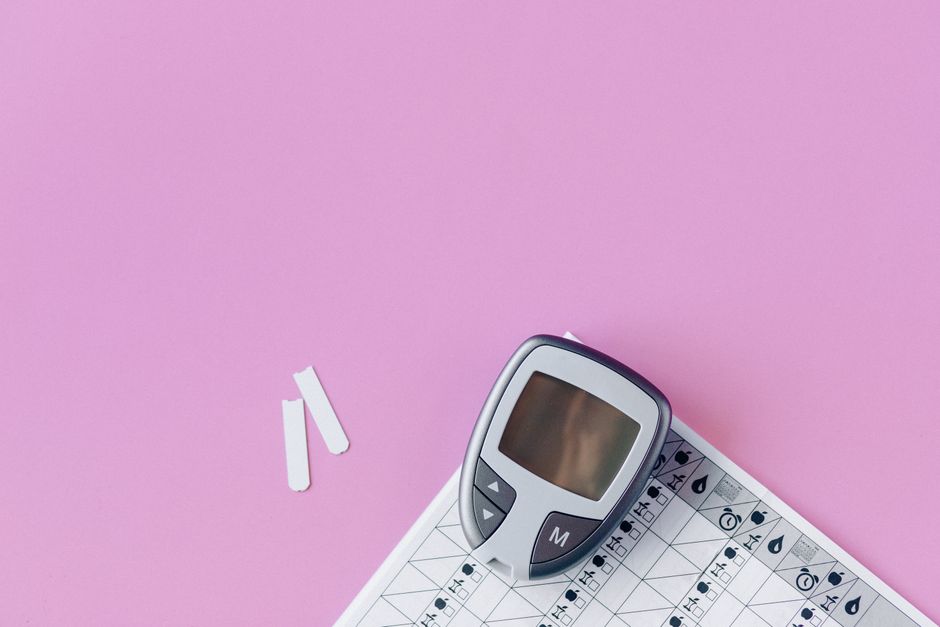
Home A1C test kits measure your average blood sugar over the past two to three months. You prick your finger, place a drop of blood on a test cartridge, and insert it into a small reader that gives you a result in about five minutes. The result is reported as a percentage, and that number estimates your glucose control the same way a lab test does.
These kits are not a replacement for lab tests ordered by your doctor. They are useful for tracking progress between doctor visits, especially if you have diabetes or prediabetes. Knowing how to use the kit correctly matters because a small error in technique can change your result by a meaningful amount.
How Does an A1C Test Work?
Hemoglobin is a protein inside your red blood cells that carries oxygen. When glucose is in your bloodstream, some of it attaches to the hemoglobin. This process happens constantly. The more glucose in your blood over time, the more hemoglobin becomes coated with it.
Red blood cells live for about 120 days. That lifespan is why an A1C test reflects your average blood sugar over roughly three months. The test measures the percentage of hemoglobin that has glucose attached to it. A result of 6 percent means 6 percent of your hemoglobin is glycated.
Your daily blood sugar checks with a fingerstick meter tell you what your glucose is at that exact moment. An A1C test tells you the bigger picture. The two tests answer different questions, and both have value for managing diabetes.
How To Use A Home A1C Test Kit And Read Results
Start by reading the instructions that come with your specific kit. Different brands have slightly different steps, but the general process is the same across most home A1C tests.
Wash your hands with soap and warm water. Dry them completely. Warm hands help blood flow, so running them under warm water for a minute can make the finger prick easier.
Most kits include a lancet to prick your finger. Prick the side of your fingertip, not the pad. The side tends to be less painful and still gives a good blood drop. Squeeze gently from the base of your finger toward the tip until a rounded drop of blood forms.
Touch the blood drop to the test cartridge or strip exactly as the instructions show. The cartridge draws in a specific amount of blood. If you underfill it, the reader may give an error message or an inaccurate result. If you squeeze too hard and smear blood, discard that cartridge and start over.
Insert the cartridge into the reader. The device counts down and displays your A1C percentage, usually within five minutes. Record the number along with the date. Keeping a log helps you and your doctor see trends over time.
Some kits require you to mail a blood sample to a lab instead of using a handheld reader. Those kits work differently. You collect the sample at home, send it in a prepaid envelope, and receive your results online or by mail within a week or two.
What Do the Numbers Mean?
An A1C result is reported as a percentage. The number tells you how much of your hemoglobin has glucose attached to it.
For most people without diabetes, a normal A1C is below 5.7 percent. A result between 5.7 and 6.4 percent is considered prediabetes. A result of 6.5 percent or higher indicates diabetes, according to standard diagnostic criteria used in clinical practice.
If you already have diabetes, your target A1C depends on your individual situation. Many adults with diabetes aim for 7 percent or lower, but your doctor may set a different goal based on your age, other health conditions, and history of low blood sugar episodes. Some older adults or those with other serious conditions may have a higher target.
Keep in mind that a single home A1C result is not an official diagnosis. If you get an unexpected result, especially one in the diabetes range, contact your doctor. Diagnosis of diabetes requires a lab test, and usually more than one abnormal result.




How Accurate Are Home A1C Test Kits?
Home A1C kits that have been cleared by the FDA are reasonably accurate, but they are not identical to lab testing. Most FDA-cleared kits are designed to be within a certain range of lab results, though individual results can vary.
Several factors can affect accuracy. Using an expired test cartridge can give wrong results. Storing kits in extreme heat or cold can damage them. Not getting enough blood on the cartridge is a common user error that leads to inaccurate readings.
Certain medical conditions can interfere with A1C measurements. People with anemia, kidney disease, sickle cell trait, or recent blood loss may get results that do not accurately reflect their true average glucose. If you have any of these conditions, talk to your doctor about whether home A1C testing is reliable for you.
Some research suggests that home A1C kits generally perform well, but results can vary between brands. The FDA regulates these devices, and cleared products must meet accuracy standards. Still, no home test matches the precision of a laboratory analyzer.
How Often Should You Test at Home?
Your doctor is the best person to tell you how often to use a home A1C kit. The general guidance for people with stable diabetes is to have an A1C test every three months. People whose diabetes is well controlled may go six months between tests.
Home testing between lab visits can help you see if your daily habits are moving your A1C in the right direction. But testing too frequently does not add much information. Because red blood cells live about three months, testing every week will not show meaningful change.
If you are making major changes to your medication, diet, or exercise routine, more frequent testing may help you see whether those changes are working. Discuss a testing schedule with your healthcare provider rather than deciding on your own.
Home A1C kits cost money, and insurance does not always cover them. Checking with your insurance company before buying a kit can help you avoid an unexpected expense. Some doctors can prescribe a home A1C kit, which may make it eligible for coverage.
Home A1C Kit vs. Lab Test: What Is the Difference?
Lab tests use venous blood drawn from your arm. A phlebotomist sends that sample to a laboratory where it is analyzed on high-precision equipment. Lab tests are the gold standard for A1C measurement.
Home kits use a drop of capillary blood from your fingertip. The testing technology is similar in principle, but the equipment is smaller and less sophisticated than what a lab uses.
The table below compares the two approaches side by side.
| Feature | Home A1C Kit | Lab A1C Test |
|---|---|---|
| Blood sample | Fingerstick drop | Blood draw from arm |
| Time to result | About 5 minutes | Hours to days |
| Cost | $20 to $60 per kit | Often covered by insurance |
| Accuracy | Good, but can vary | Gold standard |
| Best for | Tracking between visits | Diagnosis and medical decisions |
Your doctor will rely on lab results to make treatment decisions. Home tests are a supplement, not a substitute. Bring your home results to your appointments so your doctor can compare them with lab values.
Tips for Getting the Most Reliable Reading
Follow these practices to get the best result from your home A1C kit.
- Check the expiration date on the test cartridges before each use.
- Store the kit at room temperature, away from direct sunlight and moisture.
- Wash your hands thoroughly before testing. Hand lotion or food residue can contaminate the sample.
- Use the side of your fingertip for the prick, and let a full drop of blood form.
- Do not reuse lancets. A fresh lancet for each test reduces the risk of infection.
- Follow the timing instructions exactly. Reading the result too early or too late can skew the number.
If your home result does not match how you feel, or if it differs significantly from a recent lab result, mention it to your doctor. A large discrepancy may indicate a problem with the kit or a condition that affects A1C accuracy.
No clinical guidelines currently specify how often you should use a home A1C kit because these devices are relatively new and guidance is still evolving. Your doctor is your best resource for a testing schedule that fits your health needs.
Frequently Asked Questions
Can a home A1C test diagnose diabetes?
No, a home A1C test cannot officially diagnose diabetes. Diagnosis requires a lab test ordered by a doctor, and usually more than one abnormal result.
How long does a home A1C test take?
Most handheld home A1C kits give a result in about five minutes. Mail-in kits take one to two weeks because the sample must be shipped and processed at a lab.
Do I need to fast before a home A1C test?
No, fasting is not required. The A1C test measures average blood sugar over three months, so your last meal does not affect the result.
Why is my home A1C result different from my lab result?
Small differences are normal because home kits are less precise than lab equipment. User error, expired cartridges, or certain medical conditions can also cause larger differences.
