
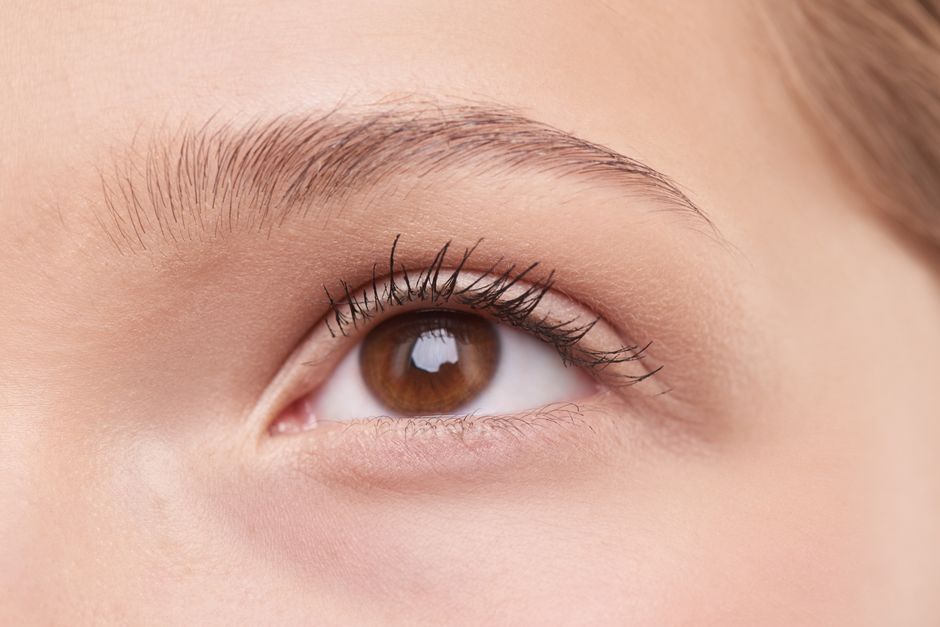
Latisse is a prescription treatment applied to the upper eyelashes to make them grow longer, thicker, and darker. It contains bimatoprost, a synthetic version of a fatty acid compound that occurs naturally in the body. The full routine takes about one minute per night, results usually appear gradually over several weeks, and the most common side effects involve the eyes and the skin around them.
What Is Latisse and How Does It Work?
Latisse is the brand name for a 0.03% bimatoprost solution approved by the U.S. Food and Drug Administration for treating inadequate eyelashes. It is the only prescription product with that specific FDA approval.
Bimatoprost belongs to a class of drugs called prostaglandin analogs. These compounds bind to receptors in the body and influence fluid movement and tissue growth. The eyelash effect was discovered by accident. The same drug is used in eye drops to lower pressure inside the eye in people with glaucoma or ocular hypertension. Patients using those drops often noticed their eyelashes growing longer and thicker. That observation led to the development of a separate product for eyelash growth.
The exact way bimatoprost lengthens eyelashes is not fully understood. Researchers believe it extends the growth phase of the hair cycle, called the anagen phase, and increases the number of hairs that enter that phase at once. More hairs growing at the same time means a fuller appearance.
Latisse is not a cosmetic. It is a prescription drug, and it requires a doctor’s evaluation before use.
How To Use Latisse: Steps Results Side Effects Explained
The application routine is simple, but small mistakes can reduce results or cause problems. Here is how it is designed to be used.
Step 1: Wash your face and remove makeup. Your eyelids and lashes should be clean and dry before applying the solution.
Step 2: Prepare the applicator. Latisse comes with sterile, single-use applicator brushes. Place one drop of the solution onto the brush. Using more than one drop per eye does not improve results and increases the chance of side effects.
Step 3: Apply to the upper eyelid only. Draw the brush gently along the skin of the upper eyelid at the base of the lashes, moving from the inner corner outward. This is the critical step. The product goes on the skin at the lash line, not on the lashes themselves. Do not apply it to the lower eyelid.
Step 4: Blot any excess. Gently wipe away any solution that drips onto other parts of the face with a tissue.
Step 5: Repeat on the other eye with a fresh applicator. Never reuse an applicator on the second eye or on a later night.
Step 6: Dispose of the applicator and close the bottle. Store the bottle as directed on the packaging.
The manufacturer’s instructions specify applying Latisse once daily at night. Using it more often does not speed up results and may raise the risk of side effects.
What Results Should You Realistically Expect?
Results do not appear overnight. In the clinical studies that supported FDA approval, measurable increases in eyelash length, thickness, and darkness were reported after 16 weeks of daily use. Some people notice changes earlier, and some notice them later. Individual results vary.
This is not a permanent change. The effect depends on continued use. If you stop applying Latisse, eyelashes gradually return to their previous appearance over weeks to months.
Latisse is not a mascara substitute. It changes the growth of your own lashes. It does not add false lashes or color, and it does not treat eyelash loss caused by chemotherapy, medical conditions, or other drugs unless a doctor specifically recommends it for that purpose.
What Are the Side Effects of Latisse?
Most side effects are mild and involve the eyes or the skin near them. The most commonly reported ones in clinical studies include:
- Itchy or red eyes
- Eye irritation or a feeling of something in the eye
- Dryness of the eyes
- Redness or darkening of the skin around the eyes
- Darkening of the iris (the colored part of the eye)
Some side effects deserve more attention than others.
Iris darkening. Bimatoprost can increase the amount of brown pigment in the iris. This change is permanent. It appears to be more likely in people with lighter-colored eyes, and it has been observed mostly with the eye-drop form of the drug used in glaucoma treatment. The risk with Latisse applied to the eyelid is considered lower, but it is not zero. This is one reason the product requires a prescription and a doctor’s oversight.
Eyelid skin darkening. The skin where you apply the solution can become darker. This effect usually fades after you stop using the product, though it may take time.
Hair growth outside the lash line. If the solution spreads to other areas of the face, it can cause hair growth there. Careful application and blotting excess product reduce this risk.
Eye inflammation. Bimatoprost can cause inflammation inside the eye, including a condition called uveitis. People with a history of eye inflammation should discuss this with their doctor before using Latisse.
Anyone who develops eye pain, sudden vision changes, or signs of an eye infection should stop using the product and contact a doctor.





Who Should Not Use Latisse?
Latisse is not appropriate for everyone. The FDA-approved labeling advises against use in people with certain eye conditions or a history of specific eye problems, and it has not been studied in pregnant or breastfeeding women. No clinical guidelines currently establish safety for use during pregnancy or breastfeeding, so anyone who is pregnant, planning to become pregnant, or nursing should talk with a doctor before considering it.
It is also not intended for use by children. The safety and effectiveness in people under 18 have not been established.
People with the following should be especially cautious and seek medical advice first:
- Existing eye inflammation or infection
- A history of uveitis or other inflammatory eye conditions
- Eye pressure problems or glaucoma
- Previous eye surgery
- Macular edema (swelling in the back of the eye)
Latisse is also not meant to be used on the lower eyelid or on eyebrows. Its approval is specific to upper eyelashes.
How Does Latisse Compare to Other Eyelash Options?
Latisse is one of several approaches people use for fuller-looking lashes. The options differ in how they work and in what evidence supports them.
Latisse is the only prescription eyelash growth product with FDA approval for inadequate eyelashes. Mascara and eyelash extensions are cosmetic and temporary. Conditioners and serums sold without a prescription are widely marketed, but the evidence supporting their ability to actually increase lash growth is limited, and many have not been tested in controlled trials.
Some over-the-counter serums contain prostaglandin-like ingredients similar to bimatoprost. Because these products are not FDA-approved as drugs, their formulations, concentrations, and purity are not held to the same standards. No large human trials have confirmed that these products produce the same results as Latisse.
If lash loss is caused by an underlying medical condition or a medication, treating the cause is usually the first step. A doctor can help sort out whether Latisse is appropriate or whether another approach makes more sense.
Practical Tips for Getting the Most From Latisse
Consistency matters more than anything else. The product only works while you use it, so skipping nights reduces the effect. Set a reminder if needed.
Use only the recommended amount. One drop per applicator, one application per eye, once a night. More is not better and can increase irritation.
Keep the tip of the bottle clean and never let it touch your eye or skin. This helps prevent contamination.
Remove contact lenses before applying Latisse and wait at least 15 minutes before putting them back in, as directed by the manufacturer.
Be patient. Give the product the full time frame studied in clinical trials before judging whether it is working for you.
Report any eye pain, vision changes, or persistent irritation to your doctor promptly. Do not try to push through symptoms that concern you.
Frequently Asked Questions
How long does Latisse take to work?
Measurable results typically appear after about 16 weeks of nightly use, based on the clinical studies behind its approval. Some people notice changes sooner and others later, so individual timelines vary.
What happens if you stop using Latisse?
Eyelashes gradually return to their previous length, thickness, and color over weeks to months after you stop. The effect is not permanent and depends on continued use.
Is Latisse safe for your eyes?
Latisse is FDA-approved for eyelash growth when used as directed, but it can cause side effects including eye irritation, redness, and in some cases permanent darkening of the iris. Anyone with a history of eye inflammation or other eye conditions should consult a doctor first.
Can you use Latisse on your eyebrows?
No. Latisse is approved only for the upper eyelashes, and using it on eyebrows or the lower eyelid is not supported by its approval or its safety data.
