
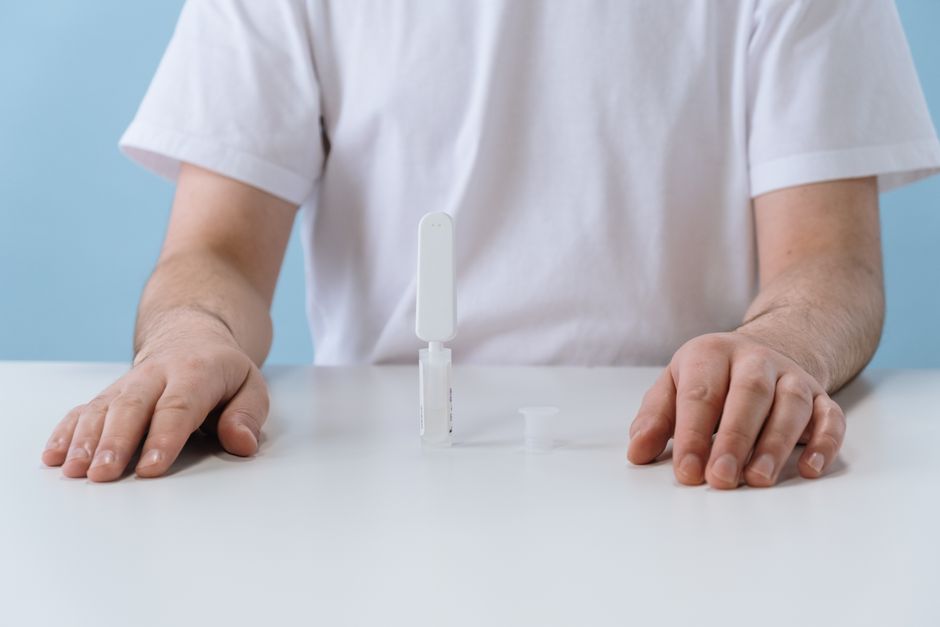
Home A1C tests let you check your average blood sugar over the past two to three months without a lab visit. You collect a small blood sample from a finger prick, mail it in or place it in a small cartridge, and get a result that estimates your hemoglobin A1C. These kits are convenient, and many are accurate enough for monitoring. But they are not all the same, and the results are not always interchangeable with a lab test.
The accuracy of an at-home A1C kit depends on three things: whether the kit is cleared by the FDA for home use, how carefully you collect the sample, and whether you use it for the right purpose. Most home kits are intended for people who already know they have diabetes and want to track their control between doctor visits. They are not a substitute for a diagnosis.
What Does An A1C Test Actually Measure?
A1C measures the percentage of your hemoglobin that has glucose attached to it. Hemoglobin is the protein inside red blood cells that carries oxygen. When glucose circulates in your blood, some of it binds to hemoglobin. That binding is permanent for the life of the red blood cell.
Red blood cells live about three months. So the A1C reflects your average blood glucose over roughly the past eight to twelve weeks. A single high reading after a birthday cake does not move it much. Weeks of consistently elevated glucose do.
That is why A1C is different from a finger-stick glucose reading. A glucose meter shows what your blood sugar is right now. A1C shows the trend. Both matter, but they answer different questions.
One clarification people often miss: A1C is not a direct measure of glucose. It is a measure of glycated hemoglobin, which is used as a proxy for average glucose. Conditions that change how long red blood cells live can throw the number off even when your actual glucose control has not changed.
How Accurate Are At-Home A1C Kits Compared To Lab Tests?
Home A1C kits that carry FDA clearance are generally accurate within a small margin of lab results. The FDA has cleared several over-the-counter kits for home use, and these are held to accuracy standards that require their results to be comparable to a certified lab method.
Accuracy, though, is not the same as identical. Even two lab tests run on the same blood sample can differ slightly. The accepted margin for A1C testing allows for a small amount of variation between methods. A home kit result of 7.0% and a lab result of 7.2% may both be correct within their stated precision.
Where home kits fall short is consistency. A lab uses standardized equipment, controlled conditions, and trained staff. At home, the variables are yours. Sample collection errors are the most common reason a home result is off.
Some kits use a mailed dried blood spot. Others use a small cartridge read by a portable device. The mailed versions depend on the sample arriving in good condition. Heat, delays, and improper drying can affect the result.
What Factors Affect Your Home A1C Result?
Several things can make a home A1C reading less reliable. Some are in your control. Others are not.
- Sample quality. Too little blood, a diluted sample, or a contaminated finger stick can skew the result.
- Red blood cell lifespan. Conditions that shorten or lengthen how long red blood cells live change the A1C independent of glucose.
- Hemoglobin variants. Some inherited hemoglobin types, including sickle cell trait and certain thalassemias, can interfere with some testing methods.
- Anemia. Iron deficiency and other anemias can shift A1C up or down depending on the type.
- Recent blood loss or transfusion. Both can temporarily change the reading.
- Kidney disease. Advanced kidney disease can affect A1C accuracy.
- Pregnancy. A1C interpretation changes during pregnancy, and home kits are not designed for this use.
If you have any of these conditions, a home kit result may not reflect your true average glucose. Talk with your clinician about which testing method is appropriate for you.




Are Home A1C Kits FDA Approved?
Some are. Many are not. This distinction matters more than almost anything else on this page.
The FDA clears certain A1C test kits for over-the-counter sale and home use. These have been reviewed for accuracy and for whether a person can realistically use them correctly without training. Kits that carry this clearance are the ones worth considering.
Other products sold online make A1C claims without that clearance. Some are marketed as wellness tools or screening devices. Without FDA review, there is no independent confirmation that the result means what the label says.
If you are unsure whether a kit is cleared, check the FDA’s website for cleared devices, or ask the manufacturer directly for the clearance number. A legitimate home test will have one.
How Should You Use A Home A1C Kit Correctly?
Following the instructions exactly is the single biggest factor in getting a usable result. Most errors come from skipping or rushing steps.
Wash your hands with warm water and dry them fully. Warm water improves blood flow to the fingertip. Use the lancet as directed and let the blood drop form naturally rather than squeezing hard, which can dilute the sample with fluid from the tissue.
Fill the collection device to the marked level. If the kit uses a dried blood spot card, let it dry completely in the specified conditions before mailing. Store the kit at room temperature unless the instructions say otherwise.
Record the date you collected the sample. If you are tracking over time, testing under similar conditions each time gives you a more useful trend.
When Should You Trust A Home Result And When Should You Not?
For monitoring an established diabetes diagnosis, a cleared home kit can be a reasonable way to check in between lab visits. It can help you see whether your average is drifting up or holding steady.
For diagnosis, home kits are not the right tool. A1C is used to diagnose diabetes and prediabetes, but that diagnosis should come from a lab test confirmed by a clinician. A single home result, especially a borderline one, is not enough to act on.
If a home result surprises you — much higher or lower than expected — the sensible step is to confirm with a lab test before making any changes to medication or treatment. Do not adjust insulin or other diabetes medications based on a home A1C alone.
If you have symptoms of very high or very low blood sugar, do not wait for an A1C result. A1C reflects weeks, not hours. Use a glucose meter or seek medical care.
How Do Home Kits Compare To Lab A1C Testing?
Each has a role. The table below outlines the main differences.
| Feature | Home A1C Kit | Lab A1C Test |
|---|---|---|
| Sample collection | Finger prick at home | Venous blood draw |
| Result timing | Minutes to several days (if mailed) | Usually same day to a few days |
| Intended use | Monitoring, when FDA-cleared | Diagnosis and monitoring |
| Accuracy | Good if cleared and used correctly | High, standardized |
| Interference risk | Higher from sample errors | Lower, but still affected by some conditions |
| Cost | Varies; often lower per test | Varies; often covered by insurance |
The bottom line is that a cleared home kit used carefully can give you a useful number. It cannot replace a lab for diagnosis, and it cannot account for the medical conditions that distort A1C. Used with those limits in mind, it is a reasonable tool.
Frequently Asked Questions
Are home A1C tests as accurate as lab tests?
FDA-cleared home kits are generally accurate within a small margin of lab results. However, sample collection errors and certain medical conditions can make a home result less reliable than a lab test.
Can I diagnose diabetes with a home A1C kit?
No. A diabetes diagnosis should be made by a clinician using a lab test. Home kits are intended for monitoring, not diagnosis, and a single home result is not enough to act on.
What can make my home A1C result inaccurate?
Anemia, recent blood loss or transfusion, hemoglobin variants, kidney disease, and pregnancy can all affect A1C accuracy. Poor sample collection is the most common everyday cause of an off result.
How often should I test my A1C at home?
There is no single recommended frequency for home testing. Many people check between routine lab visits, but how often depends on your situation and should be discussed with your clinician.
