
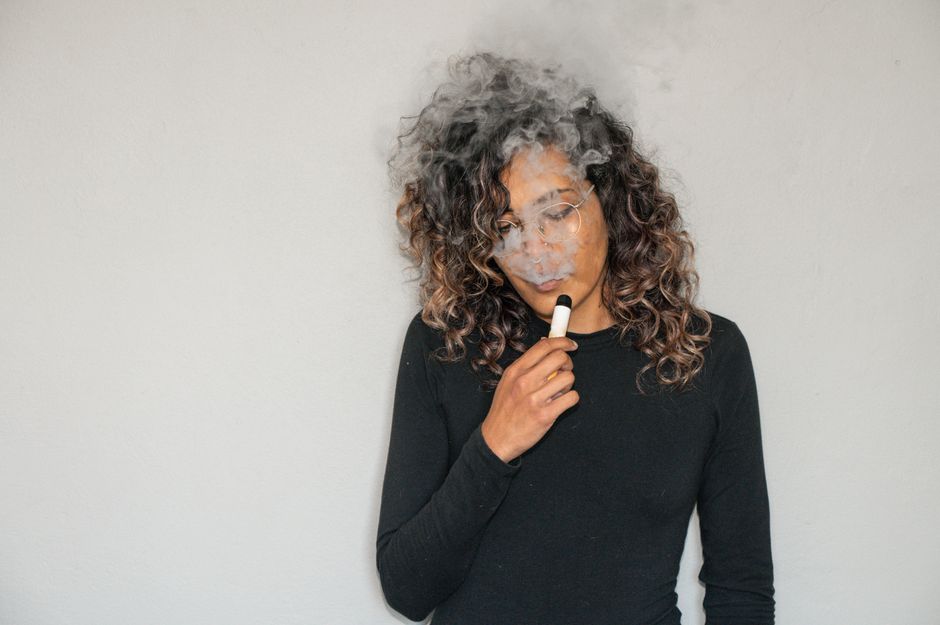
Using a CBD vape pen for the first time is straightforward once you understand the basic steps. Start by checking your device, charging it if needed, and filling or attaching the cartridge. Then, take a small, slow puff, hold it in your mouth for a few seconds, and inhale gently. Begin with one short puff and wait at least 15 minutes to assess how you feel before taking another. This guide walks through each step in detail so you can vape CBD safely and effectively from your very first use.
What Is a CBD Vape Pen and How Does It Work?
A CBD vape pen is a device that heats CBD oil or distillate into a vapor you inhale. The device contains a battery, a heating element called an atomizer or coil, and a chamber that holds the CBD product.
When you press the button or inhale, the battery powers the coil. The coil heats the CBD liquid just enough to turn it into vapor without burning it. This vapor carries the CBD into your lungs, where it enters your bloodstream quickly. This is why vaping delivers effects faster than edibles or capsules, which must pass through your digestive system first.
There are two main types of CBD vape pens. Disposable pens come pre-filled and ready to use. You throw them away when the oil runs out. Rechargeable pens have a separate battery and use replaceable cartridges or refillable tanks. Beginners often start with disposables because they require no setup.
Step-by-Step: How To Use A Cbd Vape Pen Steps For Beginners
Follow these steps in order for your first session. The process takes less than two minutes once you know what you are doing.
Step 1: Read the label and check the product. Confirm the pen contains CBD and not THC, unless you specifically want THC. Check the CBD concentration per puff or per cartridge. If the product has no label or lab test results, do not use it. Unregulated products can contain harmful additives.
Step 2: Charge the battery if needed. Most rechargeable pens use a standard micro-USB or USB-C charger. A full charge typically takes 1 to 2 hours. Disposable pens come pre-charged and need no charging. If the pen has a button, press it twice quickly to see if the light turns on. If there is no light, the battery may be dead or the device may be draw-activated.
Step 3: Attach the cartridge if you are using a separate one. Screw the cartridge onto the battery until it sits snugly. Do not overtighten, as this can damage the connection. Some pens use magnetic connections where the cartridge simply clicks into place.
Step 4: Prime the coil if the cartridge is new. This step prevents a burnt taste. Take two or three short, gentle puffs without pressing the button, if it is a button-activated device. This pulls the oil into the coil. Wait about five minutes before your first real puff. Some disposable pens are pre-primed and need no waiting.
Step 5: Take your first puff. If your pen has a button, hold it down while you inhale. If it is draw-activated, simply inhale on the mouthpiece. Start with a small puff. Draw the vapor into your mouth first, then inhale it into your lungs. Hold it for 2 to 3 seconds, then exhale. Do not hold your breath longer than that; it does not increase absorption and can cause dizziness.
Step 6: Wait and assess. After your first puff, wait at least 15 minutes before taking another. Vaping effects come on within minutes, but everyone responds differently. Starting slow is the safest approach, especially if you are new to CBD or vaping in general.
Step 7: Store the pen properly. Keep the pen upright when not in use to prevent leaks. Store it away from direct sunlight and heat. Most pens last months if cared for correctly.
How Much CBD Should a Beginner Vape?
There is no universal dose for CBD. The right amount depends on your body weight, the condition you are addressing, the product potency, and your individual sensitivity.
For a beginner, one puff is a reasonable starting point. Many disposable pens deliver between 1 and 3 milligrams of CBD per puff, but this varies widely by brand. Check the label for the total CBD content and the number of puffs to estimate what you are getting.
Some research suggests that effective CBD doses for anxiety range from 25 to 75 milligrams per day, but this is based on oral forms, not vaping. Inhalation delivers CBD more efficiently, so lower amounts may be effective. No clinical guidelines currently exist for vaping CBD specifically.
If you take a puff and feel nothing, that does not mean the product is fake. It may mean your dose is too low for your needs. Increase gradually, one puff at a time, across separate sessions. If you feel drowsy, dizzy, or nauseated, you have taken too much. Stop and wait for the effects to fade.



What Are the Risks and Side Effects of CBD Vaping?
Vaping CBD is not risk-free. The most serious concern is what is actually in the product. In 2019 and 2020, an outbreak of severe lung injuries was linked to vaping products containing vitamin E acetate, a thickening agent. This additive can cause serious lung damage. Reputable CBD brands do not use vitamin E acetate, but not all products on the market are reputable.
Other potential risks include lung irritation from inhaling any substance that is not air. Some studies have found that flavoring agents used in vape products can be harmful when heated and inhaled. The long-term effects of vaping CBD are not yet known because the practice is relatively new.
Common short-term side effects of CBD itself include dry mouth, low blood pressure, lightheadedness, and drowsiness. These effects are generally mild and pass quickly. If you have a lung condition like asthma or COPD, talk to a doctor before vaping anything.
CBD can interact with certain medications. It affects liver enzymes that process many drugs, potentially making them stronger or weaker. If you take prescription medication, especially for seizures, blood thinners, or blood pressure, consult your doctor before starting CBD in any form.
How To Choose a Quality CBD Vape Pen
Product quality matters more than brand reputation. Look for three things on the label or the brand’s website: third-party lab testing, certificate of analysis, and clear ingredient list.
Third-party lab testing means an independent laboratory has verified the product’s CBD content and checked for contaminants like pesticides, heavy metals, and solvents. A certificate of analysis is the actual lab report. Reputable brands publish these openly. If you cannot find lab results, choose another product.
Check what is in the vape liquid. The best products contain CBD extract, a carrier like MCT oil or vegetable glycerin, and natural terpenes for flavor. Avoid products with artificial flavors, thinning agents, or added vitamin E acetate. The ingredient list should be short and understandable.
Consider the type of CBD as well. Full-spectrum CBD contains trace amounts of THC and other cannabis compounds. Broad-spectrum CBD contains other cannabis compounds but no THC. CBD isolate is pure CBD. Some research suggests full-spectrum products may be more effective due to the entourage effect, where cannabis compounds work together, but this is not definitively proven for all conditions.
Price is not always a reliable indicator of quality. Some expensive brands sell mediocre products, and some affordable brands produce excellent ones. The lab report is the better guide.
CBD Vape Pen vs. Other CBD Products
Vaping is not the only way to take CBD, and it may not be the best option for everyone. Understanding the alternatives helps you make an informed choice.
CBD oil tinctures are placed under the tongue and held there for 60 to 90 seconds before swallowing. They take effect in 15 to 30 minutes and last longer than vaping. Tinctures are easier to dose precisely and do not involve inhaling anything.
CBD edibles and capsules pass through the digestive system. They take 30 to 90 minutes to work and produce longer-lasting effects. The downside is unpredictable absorption and a lower bioavailability compared to vaping.
CBD topicals are applied to the skin for localized relief. They do not enter the bloodstream in significant amounts and are not appropriate for systemic effects like anxiety or sleep.
Vaping offers the fastest onset of effects, typically within minutes. It also has the highest bioavailability, meaning more CBD actually reaches your bloodstream. The trade-offs are the lung risks and the shorter duration of effects. Vaped CBD effects typically last 1 to 3 hours, while edibles can last 6 to 8 hours.
If you are using CBD for acute anxiety before a stressful event, vaping may make sense. If you need consistent relief throughout the day, a tincture or edible might serve you better. Some people use both, vaping for quick relief and taking an oral product for sustained coverage.
Is CBD Vaping Legal in the United States?
The legal status of CBD depends on where it comes from and where you live. Hemp-derived CBD with less than 0.3% THC became federally legal under the 2018 Farm Bill. This means hemp CBD is legal across the United States at the federal level.
However, individual states have their own laws. Some states have additional restrictions on CBD products, particularly on vape products. A few states have banned certain vaping products entirely. Check your state’s laws before purchasing a CBD vape pen.
Marijuana-derived CBD is subject to state cannabis laws. It is only legal in states with medical or recreational cannabis programs. The 0.3% THC threshold is the key distinction. Products above this limit are legally considered marijuana, not hemp.
One more legal consideration: the FDA has not approved CBD as a dietary supplement or food additive. This means CBD products are not regulated for safety and efficacy the way medications are. The only FDA-approved CBD product is Epidiolex, a prescription drug for certain seizure disorders. Every other CBD product on the market exists in a regulatory gray area.
Common Mistakes Beginners Make With CBD Vape Pens
Several errors are common among first-time users. Avoiding them saves you money and prevents a bad experience.
Taking too much too fast. The most common mistake. Beginners take several large puffs and end up dizzy or nauseated. Start with one small puff. Wait. Assess. Repeat only if needed.
Buying the cheapest product available. Low-cost vape pens often contain low-quality oil, harmful additives, or inaccurate labeling. The money you save is not worth the health risk.
Confusing CBD with THC. These are different compounds with different effects. CBD does not produce a high. If you feel intoxicated after vaping a product labeled as CBD, it may contain more THC than stated. This is a red flag for an unregulated product.
Storing the pen incorrectly. Leaving a pen on its side in a hot car causes leaks and can damage the coil. Store it upright at room temperature.
Ignoring the battery light. Many pens signal issues through blinking lights. If the light blinks when you try to puff, the battery may be dead, the cartridge may be empty, or there may be a connection problem. Check these before assuming the product is broken.
Frequently Asked Questions
How many puffs of a CBD vape pen should a beginner take?
Start with one small puff and wait 15 minutes to assess the effects. If you feel nothing, you can take one more puff at your next session.
How long does it take for a CBD vape to kick in?
Effects typically begin within 5 to 10 minutes of inhaling. Full effects are usually felt within 15 minutes.
Can you get high from a CBD vape pen?
No, CBD does not produce a high. If you feel intoxicated after vaping a product labeled as CBD, it likely contains more THC than stated.
Is it safe to vape CBD every day?
The long-term effects of daily CBD vaping are not yet known. If you vape daily, use a lab-tested product and monitor for any lung irritation or side effects.
