
Calcaneal pain means pain in the heel bone, and it is one of the most common foot problems adults face. The pain usually comes from inflammation, stress, or damage to the tissues attached to the heel, not from the bone itself. The most frequent causes are plantar fasciitis, Achilles tendonitis, and heel pad atrophy, though fractures and nerve issues can also be responsible.
What Causes Calcaneal Pain?
Plantar fasciitis is the leading cause of heel pain. The plantar fascia is a thick band of tissue running from your heel to your toes. When it gets overstretched or repeatedly strained, tiny tears form at the heel attachment point. This causes sharp pain with your first steps in the morning or after sitting for a while.
Achilles tendonitis is the second most common cause. The Achilles tendon connects your calf muscles to the back of your heel. When this tendon becomes inflamed from overuse, it produces pain at the back of the heel rather than the bottom. Runners and people who suddenly increase their activity level are most at risk.
Heel pad atrophy is a less recognized but important cause. The heel has a natural fat pad that absorbs shock with every step. As we age, this pad thins and loses its shock-absorbing quality. The result is a deep, bruise-like ache in the center of the heel that worsens with walking on hard surfaces.
How Do I Know Which Condition I Have?
Location of the pain is your best clue. Pain on the bottom of the heel, closest to the arch, points to plantar fasciitis. Pain at the back of the heel where the Achilles tendon attaches points to Achilles tendonitis. Pain directly under the heel bone, deep and aching, suggests heel pad atrophy.
Timing matters too. Plantar fasciitis hurts most with the first steps in the morning. The pain often eases after a few minutes of walking. Achilles tendonitis tends to hurt during activity and feels stiff in the morning. Heel pad atrophy hurts more the longer you stand or walk, and it does not improve with warm-up.
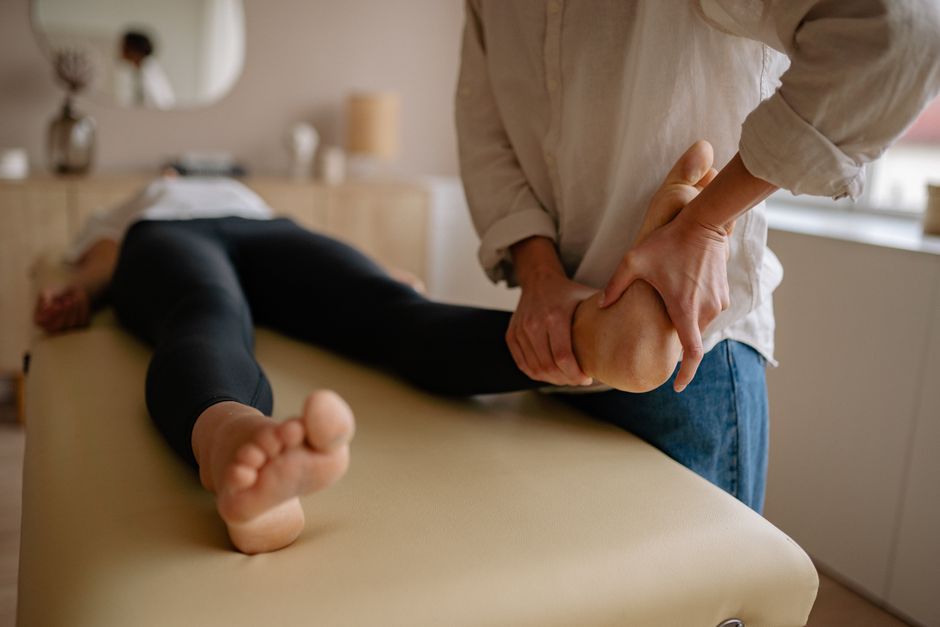
A simple physical exam by a clinician usually identifies the problem. Your doctor will press on specific points of the heel and ask you to move your foot in certain ways. Imaging is rarely needed for a first diagnosis.
Can My Shoes or Walking Pattern Cause Heel Pain?
Yes. Footwear is a major factor in developing heel pain. Shoes with thin soles, no arch support, or worn-out cushioning force the plantar fascia to absorb more shock than it can handle. Flat shoes like flip-flops and ballet flats offer almost no support and are common culprits.
Walking or running on hard surfaces adds stress. Concrete and asphalt transmit more force to the heel than grass, dirt, or rubber tracks. If you recently switched to a harder surface or increased your mileage, that change alone can trigger heel pain.
Your gait matters. People who overpronate — meaning their foot rolls inward too much — put extra strain on the plantar fascia. People with high arches have less natural shock absorption. Both patterns increase heel stress, but they require different types of support.





What Medical Conditions Can Cause Heel Pain?
Several systemic conditions can produce heel pain. Rheumatoid arthritis and other inflammatory joint diseases can cause heel inflammation. Gout can deposit uric acid crystals in the heel area. Psoriatic arthritis is specifically associated with Achilles tendonitis and heel pain.
Nerve compression is another possibility. The Baxter nerve runs along the inside of the heel. When it gets compressed, it causes pain that can feel like plantar fasciitis but is actually a nerve problem. Tarsal tunnel syndrome, where a nerve is compressed near the ankle, can also radiate pain into the heel.
Stress fractures of the heel bone occur with repetitive impact. They are more common in runners, military recruits, and people with osteoporosis. The pain builds gradually over weeks and becomes worse with weight-bearing activity.
In rare cases, heel pain can come from an infection or tumor in the bone. These are uncommon, but a doctor should evaluate persistent heel pain that does not respond to basic treatment.
How Is Calcaneal Pain Treated?
Most heel pain improves with conservative care. Rest from high-impact activity is the first step. Ice applied to the painful area for 15 minutes several times a day can reduce inflammation. Over-the-counter anti-inflammatory medications like ibuprofen help some people, though they do not address the underlying cause.
Stretching is central to treatment. Stretching the calf muscles and plantar fascia reduces tension on the heel attachment. The evidence for stretching is strong — it is one of the few treatments consistently shown to help in clinical studies. Physical therapy can guide you through the correct exercises.
Supportive footwear and orthotics provide immediate relief. A shoe with a firm heel counter and good arch support reduces strain on the plantar fascia. Over-the-counter heel cups and arch supports help many people. Custom orthotics are reserved for cases that do not respond to simpler measures.
Night splints keep the foot in a stretched position while you sleep. This prevents the plantar fascia from tightening overnight, which reduces morning pain. Studies show night splints help, though many people find them uncomfortable to wear.
When Should I See a Doctor for Heel Pain?
See a doctor if the pain lasts more than a few weeks despite home care. Also seek medical attention if the pain is severe, if you have numbness or tingling in the foot, or if the heel is red, warm, or swollen. These signs can indicate a fracture, infection, or nerve problem that needs specific treatment.
People with diabetes should see a doctor promptly for any foot pain. Diabetes can reduce blood flow and sensation in the feet, which changes how heel problems progress. What looks like simple heel pain could be a more serious issue that needs early intervention.
If conservative treatment fails after several months, a doctor may consider other options. Corticosteroid injections can reduce inflammation in the plantar fascia, though they carry a small risk of rupturing the tissue. Shockwave therapy is another option for chronic heel pain, but the evidence for its effectiveness is mixed.
Surgery is rarely needed. It is reserved for cases that have failed all conservative treatment for at least six to twelve months. The most common procedure releases part of the plantar fascia to reduce tension. Outcomes are generally good, but recovery takes time and surgery carries risks like any procedure.
Can I Prevent Heel Pain From Returning?
Prevention focuses on reducing stress on the heel. Wear supportive shoes consistently, including around the house. Replace athletic shoes when they wear out — typically every 300 to 500 miles for runners. Increase activity levels gradually rather than suddenly.
Maintain a healthy body weight. Excess weight directly increases the load on the heel with every step. Studies consistently link higher body mass index with a higher risk of plantar fasciitis.
Continue stretching even after pain resolves. The calf stretch and plantar fascia stretch are simple to do and take less than five minutes. Making them a daily habit is the strongest protection against recurrence.
Heel pain often returns if the underlying cause is not addressed. If your pain came from a sudden increase in running, adjust your training plan. If it came from unsupportive shoes, change your footwear. Identifying and correcting the trigger is the most reliable way to stay pain-free.
Frequently Asked Questions
What is the most common cause of heel pain?
Plantar fasciitis is the most common cause of heel pain. It involves inflammation or small tears in the thick band of tissue that runs from the heel to the toes.
Can heel pain go away on its own?
Many cases of heel pain improve without medical treatment. Rest, ice, stretching, and better footwear resolve most cases within a few weeks to months.
Is walking bad for heel pain?
Walking on hard surfaces can worsen heel pain, but complete rest is not usually necessary. Reducing high-impact activity and wearing supportive shoes helps more than stopping all movement.
What does a heel stress fracture feel like?
A heel stress fracture causes deep pain that worsens with weight-bearing activity and improves with rest. The pain builds gradually over weeks, unlike the sharp morning pain of plantar fasciitis.
