
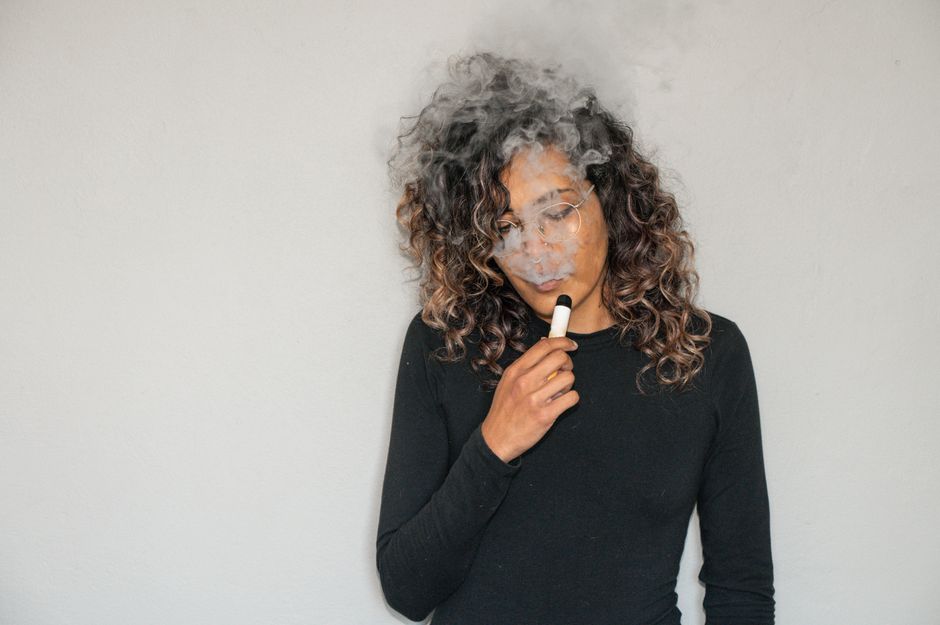
You take a hit from your vape, and a few seconds later you notice drool pooling at the corner of your mouth. It is awkward. It is messy. And you probably want to know why it happens. Drooling while vaping is not dangerous, but it is a real annoyance. The short answer is that vaping changes how your mouth produces saliva and how you swallow. The device itself, the nicotine, and even the flavorings can trigger extra saliva flow. Your body is reacting to something foreign in your mouth, and sometimes it overproduces spit as a result. Some causes are easy to fix. Others require changing your device or your technique. This article explains what is happening in your mouth, what the evidence shows, and what you can actually do about it.
What Actually Causes Drooling When You Vape?
Drooling happens when saliva builds up in your mouth faster than you swallow it. Vaping can trigger this in several ways. The most common cause is the physical presence of the vape device itself. Your mouth treats it like food or an object. Saliva production ramps up to prepare for digestion. That is a reflex you cannot control.
Nicotine plays a role too. Research shows nicotine stimulates saliva production. It activates certain receptors in your salivary glands. The result is more spit, especially in the first few minutes after you inhale. If you are using a high-nicotine salt device, the effect can be stronger.
Flavorings and propylene glycol (PG) also matter. PG is a common base in vape juice. It is slightly sweet and can trick your taste buds into thinking food is coming. Your mouth responds by making more saliva. Some people are more sensitive to PG than others. If you notice drooling mostly with certain flavors, the additive might be the cause.
Another factor is how you hold the device. Many vapers hold the vape between their lips or teeth. This keeps the mouth slightly open. Over time, saliva pools in the front of the mouth. When you finally close your lips or take the device away, the drool escapes. It is mechanical, not chemical.
Does Why Do I Drool When I Vape Causes How To Stop Differ by Device Type?
Yes, the device you use changes how much you drool. The main difference is between mouth-to-lung (MTL) devices and direct-to-lung (DTL) devices. MTL devices are small and mimic cigarette draw. You pull vapor into your mouth first, then inhale. This keeps the vapor in your mouth longer. More contact time means more saliva stimulation. DTL devices deliver vapor straight to your lungs. Less vapor sits in your mouth, so less drooling.
Pod systems and disposable vapes are the worst offenders. They are MTL devices with tight airflow. You have to pull harder. That creates a vacuum in your mouth. A vacuum can pull saliva forward toward the tip of the device. When you remove the vape, that saliva has nowhere to go. It drips out.
Higher-wattage devices that produce more vapor also cause more drooling for a different reason. The vapor itself is warm and moist. It condenses on your tongue and the roof of your mouth. Your body registers that moisture and produces extra saliva to manage it. You end up with more liquid in your mouth than you can comfortably swallow.
There is one exception. Some newer devices have built-in spit-back protection or mesh coils that vaporize juice more completely. These produce less condensation in your mouth. Users of these devices report less drooling anecdotally. Strong clinical evidence on this specific point is lacking, but the logic holds up.
| Device Type | Drooling Risk | Why |
|---|---|---|
| Mouth-to-lung pod system | High | Vapor sits in mouth longer; vacuum effect |
| Direct-to-lung mod | Low | Vapor bypasses mouth; less contact time |
| Disposable vape | High | Tight airflow; high PG juices common |
| Mesh coil device | Low to moderate | Better vaporization; less condensation |
What Does Research on Saliva and Vaping Show?
Current research on vaping and saliva is limited but growing. A 2020 study published in the Journal of Oral Pathology and Medicine found that e-cigarette users had higher unstimulated saliva flow than non-users. That means even when not vaping, their mouths produced more spit. The study was small, with only 40 participants, but the difference was statistically significant.
Another study from 2022 in Nicotine and Tobacco Research looked at how nicotine affects saliva production. They measured saliva flow before and after vaping. Flow rates increased by about 30 percent within two minutes of use. The effect lasted roughly 15 minutes. That aligns with what many vapers report: drooling happens right after a hit and fades quickly.
As of 2026, there is no published clinical trial that directly studies drooling as a side effect of vaping. Researchers have focused on lung health, heart effects, and addiction. Drooling is considered a minor nuisance. But the mechanisms are well understood from studies on nicotine gum and smokeless tobacco. Those products also increase saliva flow. Vaping appears to do the same through similar pathways.
One non-obvious point: propylene glycol is classified as a humectant. It attracts water. When you inhale PG vapor, it coats your mouth and throat. Some of the moisture you feel is not saliva at all. It is condensed vapor mixed with your natural spit. That extra liquid has to go somewhere. Swallowing more frequently helps, but many people do not realize they need to.




How Can You Stop Drooling When You Vape?
Drooling while vaping is not something you cure. It is something you manage. The good news is most people can reduce it significantly with a few changes.
First, change your inhale technique. If you use an MTL device, try pulling the vapor into your mouth and inhaling immediately. Do not hold the vapor in your mouth for extra seconds. The longer it sits, the more saliva your mouth produces. Some people find that exhaling through their nose also helps. It clears the mouth faster.
Second, check your nicotine strength. High-nicotine salts (35 mg or 50 mg) are common in pod systems. These deliver a strong throat hit and a sharp saliva response. Dropping to a lower nicotine level, like 20 mg or even 12 mg freebase, can reduce the effect. You might need to take more puffs, but each puff will trigger less saliva.
Third, switch your vape juice ratio. Most vape juices list a PG/VG ratio. PG is the main culprit for saliva stimulation. A juice with higher VG (vegetable glycerin) and lower PG will produce less of the taste and mouthfeel that triggers drooling. Look for a 70/30 VG/PG ratio or higher. This works best with devices that can handle thicker juice, like sub-ohm tanks.
Fourth, change how you hold the device. Do not grip it between your lips. Hold it with your hand and bring it to your mouth only when you inhale. This prevents your mouth from staying open for long periods. It also reduces the vacuum effect that pulls saliva forward.
- Take smaller puffs. Less vapor means less condensation.
- Swallow before you exhale. This clears the built-up saliva.
- Drink water while vaping. Hydration thins saliva and makes swallowing easier.
- Clean your device regularly. Spit-back and gurgling can make drooling worse.
If none of these help, consider switching to a direct-to-lung device. These produce more vapor overall, but the vapor passes through your mouth quickly. Many users report a noticeable drop in drooling after switching. The trade-off is a different draw style and more battery consumption.
What Should You Avoid When Trying to Stop Drooling?
Avoid the common advice to just vape less. That is not practical for most people, and it does not address the root cause. You can vape the same amount and drool less by changing the factors above. Cutting back is fine if you want to, but it is not the primary fix.
Do not use thicker juice than your device can handle. Some people switch to max VG juice and then wonder why their coil burns out in two days. Thicker juice does not wick well in small pod systems. You end up with dry hits and a burnt taste. Stick to a ratio your device supports. For most pods, that is 50/50 or 60/40 VG/PG.
Avoid holding the vape in your mouth after you finish the puff. This is a habit many smokers carry over. With cigarettes, the filter stays between your lips. With vapes, that habit just gives saliva more time to pool. Put the device down between puffs.
Do not ignore the possibility that drooling is a side effect of something else. If you also have heartburn, a chronic cough, or a feeling of something stuck in your throat, you might have acid reflux. Vaping can relax the lower esophageal sphincter, allowing stomach acid to creep up. That acid can stimulate saliva production as your body tries to neutralize it. This is less common, but it happens. If drooling is severe or accompanied by other symptoms, see a doctor.
Avoid viral TikTok hacks like putting salt in your vape juice or adding lemon juice. These are not safe. Salt can damage your coils and produce harmful byproducts when heated. Lemon juice is acidic and can irritate your lungs. There is no evidence these work, and they carry real risk.
Frequently Asked Questions
Does vaping make you produce more saliva?
Yes. Research shows vaping increases saliva flow, especially in the first 15 minutes after use. Nicotine and propylene glycol are the main triggers.
Why do I drool more with certain vape flavors?
Some flavorings, especially sweet or fruity ones, stimulate taste receptors that signal your mouth to produce saliva. High-PG juices also contribute more than high-VG juices.
Can switching to a higher VG juice stop drooling?
It can help. Higher VG juices contain less PG, which is a known saliva stimulant. Make sure your device can handle thicker VG juice before switching.
Is drooling while vaping a sign of a health problem?
Not usually. It is a normal reaction to the device and ingredients. But if drooling is severe, constant, or paired with reflux symptoms, consult a doctor.
