

If your baby has a stork bite that seems itchy, the first thing to know is that most stork bites do not cause itching. If itching occurs, it is usually due to dry skin or mild irritation, not the birthmark itself. To treat an itchy stork bite at home, apply a gentle, fragrance-free moisturizer to the area once or twice a day. If the skin looks red, dry, or flaky, a thin layer of plain petroleum jelly can help. Do not use medicated creams, steroid ointments, or anti-itch products unless a doctor recommends them. If the itching persists or the skin appears broken or infected, see your pediatrician.
What Is a Stork Bite?
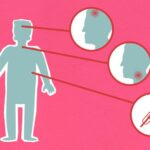
A stork bite, also called a nevus simplex or salmon patch, is a common birthmark found on newborns. It appears as a flat, pink or red patch on the skin, often on the back of the neck, eyelids, forehead, or between the eyebrows. The color comes from dilated capillaries under the skin. These marks are harmless and usually fade on their own within the first few years of life. They are not painful and do not require medical treatment.
Stork bites are present at birth and may become more visible when the baby cries, strains, or gets warm. This happens because blood flow to the area increases temporarily. The mark itself does not change texture or cause itching under normal conditions. If you notice the skin over the stork bite becoming raised, scaly, or itchy, something else is likely going on.
Why Might a Stork Bite Become Itchy?
Stork bites themselves are flat and do not contain nerve endings that signal itch. If your baby is scratching or rubbing the area, consider other causes first. The most common reason is simple dry skin. Babies have delicate skin that loses moisture easily. The area around a stork bite may become dry just like any other patch of skin.
Other possibilities include irritation from clothing, drool, or laundry products. Sometimes a mild rash or eczema can develop over the birthmark, making it look and feel different. In very rare cases, a mark that looks like a stork bite could be something else, such as a hemangioma or port-wine stain. These can sometimes itch, but they have different characteristics. A hemangioma typically grows thicker and brighter in the first few months. A port-wine stain is darker and does not fade. If you are unsure what your baby has, ask your pediatrician.
Allergic reactions to lotions, soaps, or fabrics can also cause itching on any part of the skin, including over a birthmark. If you recently changed a skincare product or laundry detergent and the itching started, that could be the trigger.
How To Treat An Itchy Stork Bite At Home Safely
When a stork bite appears itchy, the safest approach is to treat the surrounding skin gently. Start by keeping the area clean and dry. Use plain water and a soft cloth during baths. Avoid scrubbing the birthmark. Pat the skin dry instead of rubbing.
Apply a moisturizer that is free of fragrances, dyes, and harsh chemicals. Look for products labeled for sensitive skin or eczema-prone skin. Plain petroleum jelly is another good option. It creates a barrier that holds moisture in and protects the skin. Use a very thin layer once or twice a day. Do not cover the area with bandages or adhesive patches unless directed by a doctor.
If the skin appears red, cracked, or very dry, a small amount of a mild, hydrocortisone-free cream may help, but only after checking with your pediatrician. Never put medicated creams on a baby’s skin without medical advice. Some adult products contain ingredients that can be absorbed too easily through infant skin.
Keep your baby’s nails trimmed short to prevent scratching. If the itching seems to bother your baby at night, you can use lightweight cotton mittens or socks on their hands. This prevents them from damaging the skin while they sleep.
Monitor the area for changes. If the itching goes away after a few days of moisturizing, it was likely dry skin. If the itching continues or gets worse, stop the moisturizer and call your doctor.


What Treatments Should You Avoid?
Some home remedies that are popular online can harm a baby’s delicate skin. Never apply apple cider vinegar, tea tree oil, baking soda paste, or essential oils to a stork bite. These can cause burns, irritation, or allergic reactions. Do not use any product that claims to “fade” or “remove” the birthmark. Stork bites are harmless and usually disappear on their own. There is no medical reason to treat them.
Do not use anti-itch creams that contain antihistamines or topical anesthetics unless a doctor prescribes them. These are not tested for use on infant skin in that area. Avoid exposing the area to direct sunlight. Baby skin is highly sensitive to UV rays. Sunscreen is generally not recommended for babies under six months, so keep the area covered with clothing or shade instead.
Do not scratch or rub the birthmark yourself trying to relieve the itch. This can break the skin and lead to infection. If the skin becomes broken, red, warm, or oozing, that is a sign of infection and requires medical attention.
When To See a Doctor About an Itchy Stork Bite
In most cases, an itchy stork bite does not signal anything serious. But you should contact your pediatrician if any of the following occur:
- The itching lasts more than a week despite gentle moisturizing.
- The skin over the birthmark becomes raised, bumpy, or changes color.
- You see signs of infection, such as redness spreading, warmth, pus, or fever.
- The mark starts bleeding or oozing fluid.
- Your baby seems uncomfortable, fussy, or loses sleep because of the itch.
- The birthmark grows rapidly in size or shape.
Your doctor can examine the area and determine whether the mark is truly a stork bite or something that needs further evaluation. They may recommend a referral to a pediatric dermatologist if the situation is unclear.
Remember that most stork bites are harmless and cause no symptoms. Itching is uncommon. If your baby is scratching, focus on keeping the skin moisturized and protected. In nearly all cases, simple home care is enough.
Can a Stork Bite Itch in Older Children or Adults?
Some stork bites on the back of the neck do not fully fade and can remain into adulthood. These are often hidden by hair. If an older child or adult notices itching in that area, dry skin is again the most likely cause. The same home care advice applies: use fragrance-free moisturizer, avoid irritants, and see a dermatologist if the itch persists or the mark changes.
It is worth noting that a mark on the neck that looks like a stork bite in an adult could be something else, such as a cherry angioma or a small hemangioma. If you are unsure, have a doctor look at it. Do not assume it is a birthmark if you have never had it examined.
Frequently Asked Questions
Can I put aloe vera on my baby’s stork bite?
It is best not to. Pure aloe vera gel can cause allergic reactions in some babies, and commercial products often contain alcohol or fragrances that dry out skin further.
How long does it take for a stork bite to fade?
Most stork bites fade significantly within the first 18 months of life, though some on the back of the neck may persist into adulthood without causing any problems.
Should I be worried if my baby’s birthmark is raised and itchy?
Yes, a raised, itchy birthmark is not typical for a stork bite. It may be a different type of mark such as a hemangioma, and you should have it checked by a pediatrician.
Is it safe to use baby oil on an itchy stork bite?
Baby oil is generally safe, but it may not be the best choice. It can clog pores and does not provide lasting moisture. Plain petroleum jelly or a fragrance-free lotion is usually better.
