
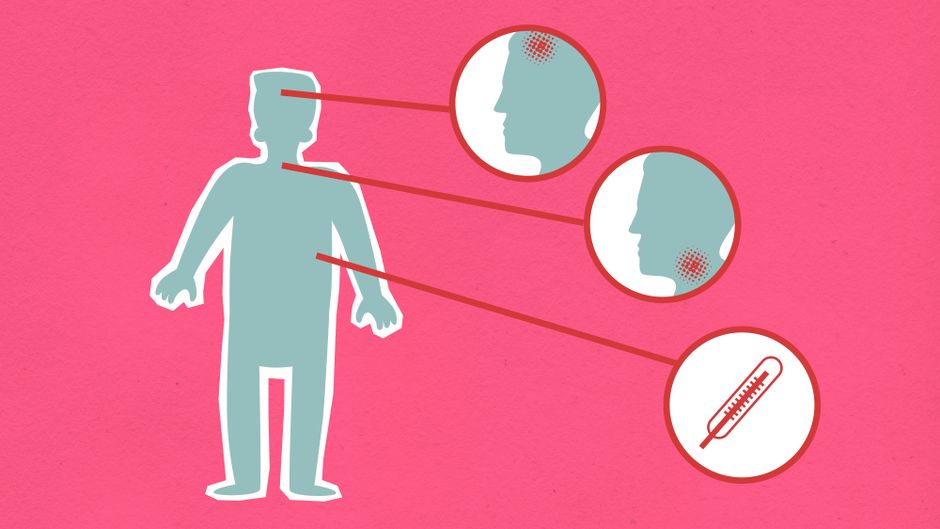
A viral sore throat hurts because viruses have infected the lining of your throat and triggered inflammation. Antibiotics do nothing for it, and no medication kills the virus outright. What actually helps is managing pain and inflammation while your immune system clears the infection, which usually takes about a week. Simple measures like warm saltwater gargles, ibuprofen or acetaminophen, cold fluids, and rest have the best evidence behind them.
What Actually Causes A Viral Sore Throat?
Most sore throats are viral. Common culprits include rhinoviruses, adenoviruses, influenza, parainfluenza, coronaviruses, and Epstein-Barr virus. The infection inflames the pharynx and tonsils, which triggers pain signals every time you swallow.
Bacterial causes like group A streptococcus account for a minority of adult sore throats. This distinction matters because antibiotics only help bacterial infections. Taking them for a virus does nothing for your symptoms and contributes to antibiotic resistance.
Viral and bacterial sore throats can look similar. A few clues lean toward viral: cough, runny nose, hoarseness, and conjunctivitis. Clues that lean toward strep include sudden severe pain, fever, and swollen tonsils with white patches, but none of these is definitive. Only a rapid strep test or throat culture can confirm a bacterial cause.
How Long Does A Viral Sore Throat Last?
Most viral sore throats improve within five to seven days. Some linger longer. Adenovirus and Epstein-Barr virus can cause sore throats that last one to two weeks or more.
The first few days are usually the worst. Pain tends to peak early and then gradually ease as your immune system gains ground. If your sore throat is getting worse after day five, or is not improving after a week, that is a reason to check in with a clinician.
Certain symptoms warrant medical attention sooner rather than later. These include difficulty breathing, difficulty swallowing your own saliva, drooling, a muffled voice, one-sided severe throat swelling, or a high fever that will not come down. These can signal a deeper infection such as a peritonsillar abscess or epiglottitis, which need prompt care.
What Actually Helps A Viral Sore Throat?
The strategies with the most reliable evidence are the unglamorous ones: pain relievers, saltwater gargles, fluids, and rest. None of them shorten the infection, but they make the days more bearable.
Pain relievers. Ibuprofen and acetaminophen both reduce sore throat pain. Ibuprofen is a nonsteroidal anti-inflammatory drug, so it addresses both pain and the swelling driving it. Acetaminophen relieves pain but does not reduce inflammation. Follow the dosing on the package or your clinician’s instructions. Do not exceed the daily maximum for either.
Saltwater gargles. Dissolving about half a teaspoon of salt in a glass of warm water and gargling several times a day is a traditional remedy that some research supports for temporary pain relief. It is cheap, low-risk, and worth trying.
Cold fluids and ice. Cold drinks, popsicles, and ice chips numb the throat and keep you hydrated. Warm liquids like tea with honey can be soothing too. There is no rule that one temperature works better than the other. Use what feels good.
Honey. A spoonful of honey can calm a sore throat and a cough. Do not give honey to infants under one year old because of the risk of infant botulism.
Rest and hydration. Staying hydrated keeps your throat moist and helps your body do its job. Rest supports immune function, though the exact mechanisms are not fully understood.
Lozenges and sprays. Medicated lozenges containing benzocaine or phenol can numb the throat briefly. They provide short-term relief, not healing. Some clinicians recommend them for comfort; the evidence for meaningful benefit is modest.





What Does Not Help A Viral Sore Throat?
Antibiotics are the biggest example. They target bacteria, not viruses. Taking them for a viral sore throat does not reduce symptoms, shorten the illness, or prevent complications. It does expose you to side effects and adds to the global problem of antibiotic resistance.
Some popular remedies have weak or absent evidence. Vitamin C, zinc, and echinacea are widely marketed for colds and sore throats. The evidence for each is mixed at best. Some studies suggest zinc lozenges may shorten cold duration slightly if started within 24 hours, but results vary and side effects like nausea and metallic taste are common. No large trial has confirmed that any of these reliably treats a sore throat.
Steroid medications are sometimes prescribed for severe sore throat, and some evidence supports short-term use for pain relief in specific cases. This is a clinical decision, not a self-treatment. Do not take oral steroids without a prescription.
When Should You See A Doctor For A Sore Throat?
See a clinician if your sore throat lasts more than a week, is severe enough to prevent swallowing, or comes with a fever above 101°F that persists. Also seek care if you have a rash, joint pain, or swelling in your neck.
Children, older adults, and people with weakened immune systems should be evaluated sooner. The same infection that causes a mild sore throat in a healthy adult can be more serious in these groups.
A clinician may test for strep. If the test is positive, antibiotics are appropriate and can prevent complications like rheumatic fever, which is rare in the United States but still occurs. If the test is negative, the cause is almost certainly viral, and treatment focuses on symptom relief.
Can You Prevent A Viral Sore Throat?
You cannot prevent every viral infection, but you can lower your risk. Frequent handwashing with soap and water removes viruses picked up from surfaces. Avoiding close contact with people who are sick reduces exposure. Not sharing cups, utensils, or towels helps in households where someone is infected.
Keeping your immune system in good shape through adequate sleep, a balanced diet, and regular physical activity supports your body’s ability to fight infections, though the precise effect on sore throat risk is not well quantified. If you smoke, quitting reduces irritation and infection risk in the throat and airways.
There is no vaccine for most viruses that cause sore throats, but annual influenza vaccination reduces your chance of getting the flu, which often includes a severe sore throat.
What About Home Remedies And Natural Options?
Many home remedies are harmless and some provide real comfort. Warm tea with honey, chicken soup, and humidified air can ease throat irritation. A cool-mist humidifier adds moisture to dry air, which can soothe a raw throat, especially at night.
Gargling with saltwater is the most studied home remedy. It likely works by drawing fluid out of inflamed tissues and temporarily reducing swelling. It is not a cure, but it is a reasonable comfort measure.
Be cautious with herbal sprays and teas marketed as sore throat treatments. Some contain ingredients that can irritate the throat or interact with medications. If you are pregnant, breastfeeding, or giving remedies to a child, check with a clinician first. No clinical guidelines currently exist for many herbal products in these groups.
Frequently Asked Questions
How long does a viral sore throat usually last?
Most viral sore throats improve within five to seven days. Some viruses, like adenovirus and Epstein-Barr, can cause sore throats that last one to two weeks.
Do antibiotics help a viral sore throat?
No. Antibiotics only work against bacteria, not viruses, so they do not reduce symptoms or shorten a viral sore throat. They also carry side effects and contribute to antibiotic resistance.
What is the fastest way to get rid of a sore throat?
There is no way to cure a viral sore throat quickly, but ibuprofen or acetaminophen, saltwater gargles, cold fluids, and honey can ease pain within minutes to hours. The infection itself still needs time to run its course.
When should I see a doctor for a sore throat?
See a clinician if your sore throat lasts more than a week, is severe enough to prevent swallowing, or comes with a high fever that will not come down. Difficulty breathing or drooling needs urgent care.
