
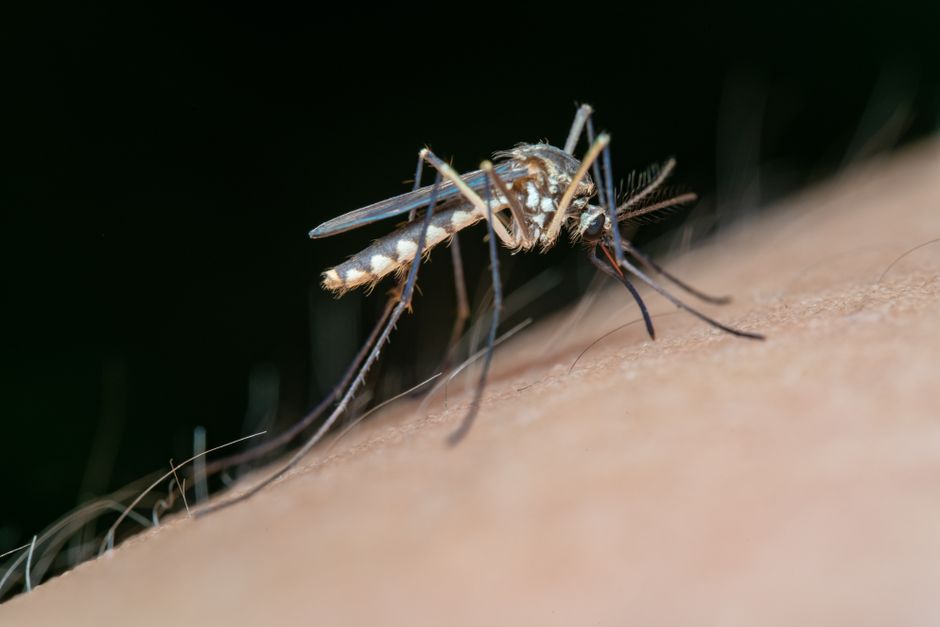
Gnats do bite, but not all of them bite people. The insects people call gnats include several different families, and only some of them feed on human blood. Biting midges, black flies, and sand flies do bite people, and their bites can leave itchy red welts. Fungus gnats and fruit flies, the small flies that hover around houseplants and kitchens, do not bite humans at all.
Knowing which insect you are dealing with matters. It changes what symptoms to expect, how to treat the bite, and what actually works to prevent the next one.
What Are Gnats and Which Ones Bite People?
Gnat is a common name, not a scientific category. It gets applied to many small flying insects with different diets and different relationships to humans.
The ones that bite people fall into a few groups. Biting midges, sometimes called no-see-ums, are tiny flies that feed on blood. Black flies, also called buffalo gnats, bite and can leave painful, bleeding welts. Sand flies transmit disease in certain parts of the world and bite humans for blood meals.
Other insects commonly called gnats do not bite. Fungus gnats live in damp soil and feed on fungi and decaying plant matter. Fruit flies are drawn to ripe produce and fermenting liquids. Neither has mouthparts designed to pierce skin, and neither feeds on blood.
This distinction is not just trivia. A swarm of tiny flies around a potted plant is an annoyance. A swarm of biting midges near a lake at dusk is a different situation entirely.
Do Gnats Bite People Symptoms and Prevention: What a Bite Feels Like
A bite from a blood-feeding gnat usually causes an immediate reaction. Many people feel a sharp sting or a pinprick at the moment of the bite. Others notice nothing until the itching starts.
Within minutes to hours, a small red bump often appears. It may swell, itch intensely, and in some cases form a small blister or a tiny spot of blood at the center. Black fly bites in particular can bleed and may stay painful rather than just itchy.
Some people develop a more pronounced reaction. Swelling can spread beyond the immediate bite area. This is more common in people who have not been exposed to that particular insect before, and it tends to lessen with repeated exposure over time.
Rarely, a bite can trigger a stronger allergic response. Signs that warrant medical attention include swelling of the lips, tongue, or throat, difficulty breathing, or widespread hives. These are uncommon but serious.
Why Do Gnat Bites Itch So Much?
The itch comes from your own immune system, not from the insect’s saliva directly. When a biting gnat feeds, it injects saliva into the skin to keep blood flowing and prevent clotting.
Your body recognizes proteins in that saliva as foreign. Immune cells release histamine and other compounds in response. Histamine widens blood vessels and irritates nerve endings, which produces the redness, swelling, and itch.
This is why the reaction can take a little time to develop and why it can last for days. It also explains why some people react more strongly than others. The intensity depends on your immune response, not on how much the bite itself hurt.
Itching is not just uncomfortable. Scratching breaks the skin, and broken skin can become infected. That is the main reason to resist the urge.





How Do You Treat Gnat Bites?
Most gnat bites settle on their own within a few days. Treatment focuses on reducing itch and preventing infection.
- Wash the bite area with soap and water soon after you notice it.
- Apply a cold compress or a cloth wrapped around ice to reduce swelling and calm the itch.
- Use an over-the-counter anti-itch cream or oral antihistamine if the itching is disruptive. Follow the label directions.
- Keep the area clean and cover it loosely if you tend to scratch in your sleep.
- Avoid scratching. If you break the skin, keep it clean and watch for signs of infection.
Signs of infection include increasing redness, warmth, swelling, pus, or a bite that gets more painful after the first day or two. If any of these appear, see a healthcare provider. Some bacterial skin infections need antibiotics, and that decision belongs with a clinician.
There is no specific antiviral or antiparasitic treatment that applies to ordinary gnat bites in the United States. In regions where sand flies transmit disease, the situation is different and a doctor should evaluate any concerning symptoms.
How Do You Prevent Gnat Bites?
Prevention works best when you combine a few approaches. No single method stops every bite.
Insect repellent is the most reliable tool. Products with EPA-registered active ingredients, such as DEET or picaridin, are the ones with the strongest evidence behind them. Follow the label for how often to reapply. For anyone applying repellent to children, follow the product label and keep it away from their hands, eyes, and mouth.
Clothing helps. Biting midges and black flies can bite through thin fabric, so long sleeves and long pants reduce exposed skin. Some people find that light-colored clothing attracts fewer biting flies, though the evidence on color is not strong.
Timing and location matter. Many biting gnats are most active at dawn and dusk and near water, marshes, and damp soil. If you are outside during those windows, repellent and covered skin do more work than anything else.
For indoor problems, the fix depends on the insect. Fungus gnats around houseplants are managed by letting soil dry out between waterings and removing decaying plant material. Fruit flies are managed by cleaning up ripe produce and fermenting liquids. Neither requires repellent because neither bites.
Do Gnat Bites Carry Disease?
In the United States, the biting gnats most people encounter are mainly a nuisance rather than a disease threat. That is not true everywhere. Sand flies in parts of the tropics, subtropics, and southern Europe can transmit leishmaniasis, a parasitic infection. Black flies in parts of Africa and Latin America can transmit onchocerciasis, also called river blindness.
These diseases are tied to specific regions and specific insects. If you travel to an area where they occur, talk to a travel medicine provider before you go. Prevention advice for those regions is more specific than general repellent guidance.
Gnats vs. Mosquitoes: What Is the Difference?
Both bite and both leave itchy welts, so people often confuse them. The differences are mostly about size, timing, and how the bite feels.
| Feature | Biting gnats | Mosquitoes |
|---|---|---|
| Size | Very small, often hard to see | Larger, visible in flight |
| Bite sensation | Sharp sting or pinprick; sometimes unnoticed | Often felt as a slight prick |
| Typical reaction | Small red welt, intense itch, sometimes bleeding | Raised itchy bump |
| Peak activity | Often dawn and dusk near water or damp areas | Varies by species; many active at dusk and night |
Mosquitoes are the more significant disease vector in the United States. Biting gnats are more often a comfort problem. That said, any bite that breaks the skin can become infected, so the same basic care applies to both.
When Should You See a Doctor?
Most gnat bites do not need medical care. A few situations do.
See a provider if a bite shows signs of infection, such as spreading redness, warmth, pus, or increasing pain. Seek care if you develop fever, chills, or feel generally unwell after bites, especially if you have traveled to a region where insect-borne diseases occur.
Get emergency help for signs of a severe allergic reaction. These include swelling of the face, lips, or throat, trouble breathing, dizziness, or widespread hives. This kind of reaction is rare after gnat bites but can happen.
If bites are not healing, keep getting worse, or you are unsure what bit you, a clinician can help sort it out. That is especially true if you have a condition that affects healing or immune function.
Frequently Asked Questions
Do gnats actually bite humans?
Some do. Biting midges, black flies, and sand flies feed on human blood and can bite people. Fungus gnats and fruit flies do not bite and do not feed on blood.
What do gnat bites look like?
They usually appear as small red bumps that itch, and some may blister or bleed slightly at the center. Black fly bites in particular can be painful and may bleed.
How long do gnat bites last?
Most bites settle within a few days, though itching can persist longer in people who react strongly. See a provider if a bite worsens after the first day or two.
What is the best way to prevent gnat bites?
EPA-registered repellents with ingredients like DEET or picaridin, combined with long sleeves and pants, offer the most reliable protection. Avoiding damp areas at dawn and dusk also helps.
