
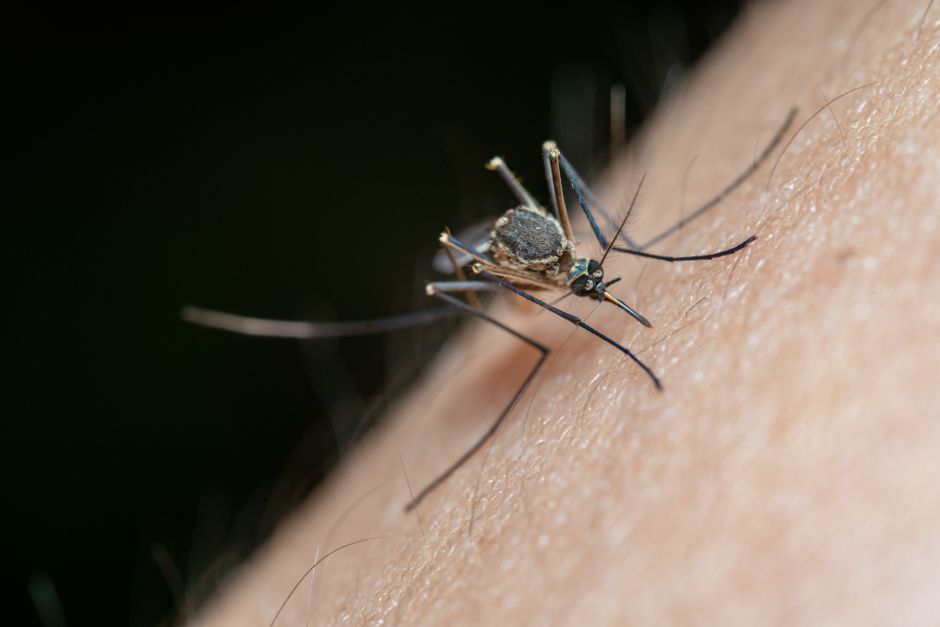
A mosquito bite usually appears as a small, raised, red bump on the skin, often with a tiny lighter-colored center. It tends to be round or slightly oval, typically ranging from a few millimeters to about a centimeter across. Most people feel itching within minutes to a few hours after being bitten, and the bump may grow slightly larger over the first day before fading over several days.
The reason a bite looks and feels the way it does is not the mosquito’s mouthparts themselves. It is your own immune system reacting to proteins in the mosquito’s saliva.
What Does a Mosquito Bite Look Like on Different Skin Tones?
The color of a mosquito bite depends heavily on your baseline skin tone, and this is one of the most common reasons people misjudge what they are looking at.
On lighter skin, the bite typically shows up as a pink or red raised bump. On medium and darker skin tones, the same reaction may appear as a darker brown, purple, or nearly skin-colored raised area rather than something red. The swelling and the itch are often more reliable clues than color alone.
This matters because people with darker skin sometimes dismiss a bite as a scar, a mole, or a blemish when it is actually an active reaction. If a new raised area itches and appeared after time outdoors, skin tone is not a reason to rule out a bite.
Why Do Mosquito Bites Itch and Swell?
The itch is an allergic response, not an infection. When a mosquito feeds, it injects saliva that contains proteins and mild anticoagulants to keep your blood flowing. Your immune system recognizes those proteins as foreign and releases histamine and other chemical signals at the site.
Histamine widens blood vessels and makes them leaky, which produces the redness, warmth, and swelling. It also stimulates nerve endings, which is what you experience as itching. This is why antihistamine medications can reduce symptoms — they target the chemical driving the reaction.
Here is something many people get wrong: the mosquito does not “inject itch.” The itch is entirely your body’s response. That also explains why a first-ever bite in a young child may produce almost no reaction, while later bites in the same child cause a visible welt. The immune system has to learn the saliva proteins before it reacts to them.
What Does a Mosquito Bite Look Like Over Time?
A bite follows a fairly predictable pattern in most people, though the timeline varies.
- Immediately after: Often nothing visible, or a small red spot where the mosquito fed.
- Minutes to hours: A raised, itchy bump (called a wheal) develops. This is the peak of the histamine response.
- One to two days: The bump may flatten into a firm red or discolored area that still itches.
- Several days: Most bites fade on their own. Scratching can extend this and cause scabbing.
Scratching is the main thing that changes this timeline for the worse. Breaking the skin lets bacteria in and can turn a simple bite into a minor skin infection, which looks quite different — more painful, spreading, and sometimes warm to the touch.

How Can You Tell a Mosquito Bite From Other Bug Bites?
You often cannot tell for certain, and that is an honest limitation. Many insect bites look nearly identical. The table below describes typical patterns, but individual reactions vary widely.
| Bite type | Common appearance | Typical pattern |
|---|---|---|
| Mosquito | Small raised red bump, itchy | Scattered, often on exposed skin |
| Flea | Tiny red bumps, very itchy | Often clustered on ankles and lower legs |
| Bed bug | Red bumps, sometimes in lines | Often in rows of three or clustered |
| Spider | Single bump, sometimes with a center mark | Usually one lesion, can be painful |
| Tick | Often no bump, or a small firm nodule | Attached or a mark where it fed |
Location and pattern help more than the bump itself. Mosquitoes tend to bite exposed skin — arms, legs, neck, and face. Fleas favor the ankles. Bed bugs often bite skin exposed during sleep and can leave clusters or lines.
When Is a Bite Something More Serious?
Most mosquito bites are harmless and resolve without treatment. A small number of situations deserve medical attention.
Seek care if you notice spreading redness, increasing pain, warmth, pus, or a fever. These can signal a bacterial skin infection that needs treatment. Some people also have stronger local reactions — large, swollen, hot areas that expand over a day or more — which are uncomfortable but usually not dangerous.
A rare but serious concern is a severe allergic reaction called anaphylaxis, which can include hives spreading beyond the bite, swelling of the lips or throat, difficulty breathing, dizziness, or a rapid heartbeat. This is a medical emergency.
Mosquitoes can also transmit diseases in certain regions, including West Nile virus and, in some areas, dengue and other infections. A bite that is followed days later by fever, severe headache, body aches, or rash should be evaluated by a clinician, especially if you have traveled to an area where these diseases occur.
Does Everyone React the Same Way?
No, and the range is wide. Some people develop large welts from a single bite, while others barely notice they were bitten. This difference comes down to individual immune sensitivity, not to how “bad” the mosquito was.
Repeated exposure over a lifetime can change your reaction. People who have been bitten many times sometimes develop a tolerance and react less. Children who are newly exposed often react more strongly at first. Neither pattern is a sign of health or illness — it is simply how immune systems adapt.
How Do You Reduce the Itch and Swelling?
The most effective step is to avoid scratching, which is harder than it sounds when the itch is intense. Keeping the area clean and cool can calm the reaction.
Over-the-counter antihistamines taken by mouth can reduce itching and swelling, and topical anti-itch creams may help. A cold compress or cool shower can also ease symptoms. These approaches target the histamine response rather than the bite itself.
For prevention, the evidence is strongest for reducing exposure. The Centers for Disease Control and Prevention recommends EPA-registered insect repellents, which are the most reliable way to prevent bites. Wearing long sleeves and pants, using screens, and removing standing water around your home all reduce the chance of being bitten.
What does not have strong evidence behind it: many home remedies people swear by, such as pressing a fingernail into the bite or applying various kitchen ingredients. Some may distract from the itch temporarily, but there is no solid clinical evidence that they treat the reaction.
Frequently Asked Questions
What does a mosquito bite look like right after it happens?
Right after a bite, you may see nothing or just a tiny red spot where the mosquito fed. The raised, itchy bump usually develops within minutes to a few hours as your immune system reacts.
Should a mosquito bite be hard or soft?
Early on, a bite is typically soft and raised because of fluid from the histamine response. After a day or two, it often becomes firmer as the swelling settles into a small red or discolored bump.
Can a mosquito bite look like a bruise?
Yes, especially on darker skin tones, where a bite may appear as a dark brown or purple mark rather than red. If it itches and appeared after time outdoors, a bite is a reasonable explanation.
How long does a mosquito bite usually last?
Most bites fade within a few days, though some itch for longer. Scratching can extend the healing time and raise the risk of a skin infection.
