
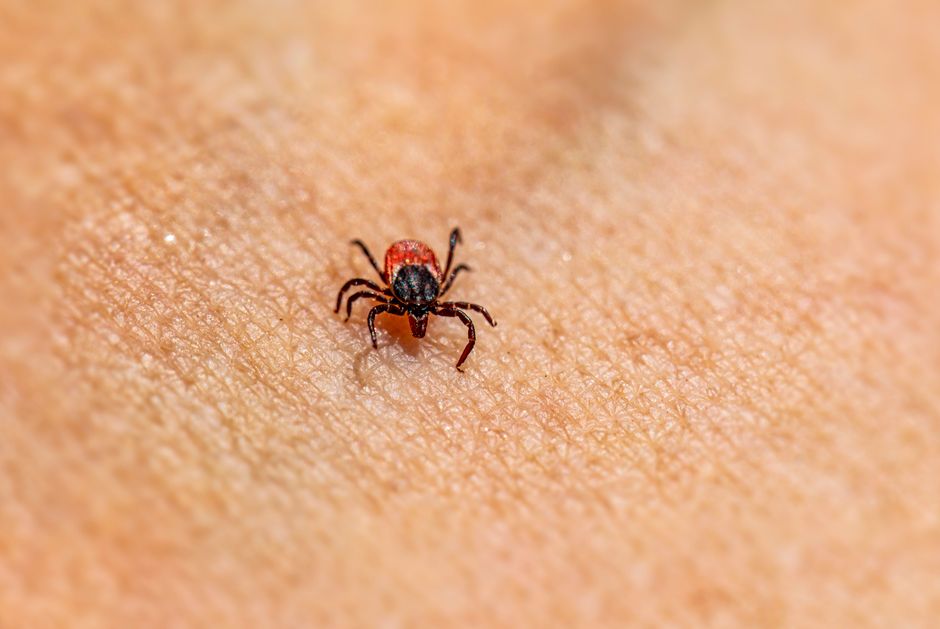
A tick bite often feels like nothing at all. That is the part most people do not expect. Ticks are built to feed without being noticed, and their saliva contains compounds that numb the skin and reduce the itch and pain signals that a mosquito or spider bite would normally trigger. Many people never feel the bite itself and never see the tick. What they notice later is a mark on the skin, a rash, or a set of symptoms that seem to come from nowhere.
That silence is exactly why tick bites matter. The bite is not the danger. The danger is what a tick can pass along while it feeds, and the longer it stays attached, the higher the chance of transmission for some of the bacteria and other organisms ticks carry. Knowing what a bite can look like, what it usually does not feel like, and which signs deserve medical attention is the practical part. This article covers that ground honestly, including where the evidence is solid and where it is genuinely limited.
What Does A Tick Bite Feel Like Signs To Know?
In most cases, a tick bite produces no sensation during the bite and little or no sensation afterward. If you do feel something, it is typically mild. People sometimes describe a small tender spot, a slight itch, or a feeling like a tiny scab or splinter in the skin once the tick has attached and started feeding.
What you are more likely to notice is the physical evidence rather than a feeling:
- A small red bump or spot where the tick was attached
- A tick still embedded in the skin, sometimes mistaken for a mole or a new freckle
- A crusty or scabbed area if the tick was removed or fell off
- Mild itching or tenderness at the site, which is not universal
The absence of pain or itching does not mean the bite was harmless. It only means your skin did not react strongly. Tick saliva contains proteins that suppress local immune responses, which is why so many bites go completely unnoticed until a rash or illness appears.
Why Do Tick Bites Usually Not Hurt or Itch?
Tick saliva is the reason. When a tick bites, it inserts its mouthparts into the skin and secretes saliva that contains anticoagulants, pain-blocking compounds, and immune-suppressing proteins. This lets the tick feed slowly, often over many hours to several days, without triggering the swelling, redness, and itch that most insect bites cause.
This is not a design flaw in your body. It is an adaptation on the tick’s side. A bite that hurts or itches intensely would prompt you to remove the tick quickly, which limits how much blood it can take and how much time it has to transmit any pathogens it carries. The quiet nature of the bite is part of what makes ticks effective at what they do.
One clarification worth making: the itch or redness people sometimes get after a bite is often a reaction to the tick’s saliva or to the trauma of removal, not a sign of infection. A small red bump that fades over a few days is common and does not by itself indicate disease.
What Does a Normal Tick Bite Look Like on the Skin?
A typical tick bite leaves a small red spot or bump at the attachment site. It may look like a minor pimple, a small welt, or a tiny bruise. Some people develop a slightly larger area of redness around it. The mark usually fades within a few days to a couple of weeks.
Location matters for spotting bites. Ticks prefer warm, moist, hidden areas of the body. Common attachment sites include:
- The scalp and hairline
- Behind the ears and along the neck
- The armpits
- The groin and inner thighs
- Behind the knees
- The belly button area
- Under waistbands and tight clothing
Because these areas are easy to miss, a bite can go unnoticed for a long time. A tick that has been attached and feeding will look larger and more rounded than one that just crawled on, because it swells with blood as it feeds.





What Does an Allergic Reaction to a Tick Bite Look Like?
Some people do have allergic reactions to tick bites. These range from a local reaction, such as more pronounced swelling and itching at the bite site, to rare systemic reactions. The evidence on how often this happens is limited, and reactions vary widely between individuals.
There is a separate and better-documented phenomenon worth knowing about. Some tick bites can trigger an allergy to red meat, a condition often called alpha-gal syndrome. In this situation, the reaction is not to the bite itself but to a sugar found in mammal meat, and symptoms such as hives, stomach upset, or more serious reactions can appear hours after eating red meat. Diagnosis requires medical evaluation, and the condition is not something to self-identify from a single symptom.
If you experience swelling of the face or throat, difficulty breathing, or widespread hives after a tick bite, that is a medical emergency. Seek immediate care. These reactions are uncommon, but they are serious when they occur.
When Should You Worry About a Tick Bite?
The bite itself is rarely the concern. The concern is transmission of pathogens, and certain signs warrant prompt medical attention. Watch for these over the days and weeks after a bite:
- A rash that expands over time, especially a ring-like or “bullseye” pattern
- Fever, chills, or a general feeling of being unwell
- Muscle aches, joint pain, or headaches
- Fatigue that is unusual for you
- Swelling or redness that keeps growing at the bite site
- Any new neurological symptoms, such as facial drooping or numbness
The expanding rash is particularly important. An expanding red rash that grows over days is a recognized early sign of Lyme disease in many cases, though not everyone who develops Lyme disease gets this rash. The rash does not always look like a perfect bullseye, which is a common misconception. It can be a solid expanding red patch as well.
Not every tick carries disease, and not every bite transmits it. Transmission generally requires the tick to remain attached for a period of time, and the specific timing depends on the pathogen and the tick species. This is why prompt removal matters, and why a bite from a tick that was attached for only a short time is generally lower risk than one attached for a long time.
How Do You Remove a Tick Correctly?
Remove the tick as soon as you find it. Use fine-tipped tweezers, grasp the tick as close to the skin surface as possible, and pull upward with steady, even pressure. Do not twist or jerk the tick, as this can cause the mouthparts to break off and remain in the skin.
Avoid these common mistakes:
- Do not crush the tick with your fingers
- Do not apply petroleum jelly, nail polish, or alcohol to try to make it detach
- Do not use a hot match or flame
- Do not squeeze the tick’s body, which can push fluids into the bite
After removal, clean the bite area and your hands with rubbing alcohol or soap and water. If you develop a rash or feel unwell in the following days or weeks, contact a healthcare provider and mention the tick bite. Save the tick in a sealed container or take a clear photo if you can, since identifying the tick species can sometimes help guide decisions.
Clinical guidance on when to use preventive antibiotics after a tick bite varies by region and situation. This is a decision that should be made with a healthcare provider, not on your own, because it depends on factors like the tick species, how long it was attached, and local disease rates.
Can You Prevent Tick Bites?
You can reduce your risk, though no method eliminates it entirely. Ticks live in grassy, brushy, and wooded areas, and they can also be found in leaf litter and on animals. Practical steps include:
- Wearing light-colored clothing so ticks are easier to spot
- Tucking pants into socks and shirts into pants in high-risk areas
- Using EPA-registered insect repellents according to label directions
- Checking your body, clothing, and gear after time outdoors
- Showering soon after coming inside, which can help you spot ticks
- Checking pets, since they can carry ticks indoors
Drying clothes on high heat after being outdoors can help kill ticks that remain on fabric. The evidence on specific repellent effectiveness is strongest for products that have been tested and registered, which is why choosing a registered product matters more than homemade alternatives.
No prevention method is perfect, and the evidence on how much any single step reduces disease risk is limited. The most reliable approach is combining several steps and doing thorough tick checks, especially in the areas of the body listed earlier.
Frequently Asked Questions
Do tick bites always itch?
No, most tick bites do not itch, and many produce no sensation at all. Itching, when it happens, is usually mild and related to the tick’s saliva or removal rather than infection.
How soon after a tick bite do symptoms appear?
Symptoms of tick-borne illness usually appear within days to a few weeks after a bite, though timing varies by the specific disease. An expanding rash may show up within several days to about a month.
What does a tick bite look like after a few days?
A typical bite leaves a small red bump or spot that fades over days to weeks. A rash that keeps expanding over time is not typical and should be evaluated by a healthcare provider.
Can you feel a tick crawling on you?
Sometimes you can feel a tick crawling on your skin, but often you cannot, especially if it is small. This is why full-body tick checks after time outdoors matter more than relying on sensation.
