
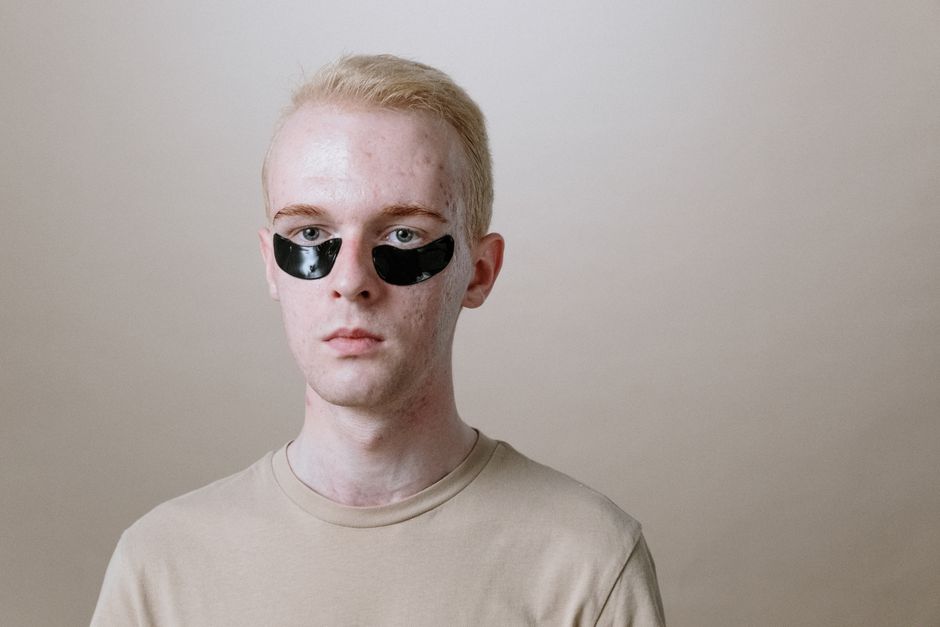
A pimple on your lip is painful, unsightly, and nearly impossible to ignore. Unlike pimples on your forehead or chin, a lip pimple sits right where you eat, talk, and smile, so every movement reminds you it is there. The most important thing to know is that a true pimple on the lip line is treatable at home, but the area is delicate, and the wrong move can make things worse. Do not pop it. Keep the area clean and dry, apply a warm compress, and let the spot run its course. If the bump does not behave like a typical pimple, you need to consider that it might be a cold sore instead.
How To Treat A Lip Pimple Dos Donts And Prevention?
Treating a lip pimple requires a gentler approach than treating a pimple elsewhere on your face. The skin around the mouth is thin, and the area moves constantly, which slows healing and raises the risk of scarring. Start by washing the area twice a day with a mild, fragrance-free cleanser. Pat it dry with a clean towel—do not rub. Apply a warm compress for 10 to 15 minutes twice daily to help bring the pimple to a head or encourage it to drain on its own. Over-the-counter benzoyl peroxide or salicylic acid spot treatments are safe to use on the lip line, but apply them sparingly. These products can dry out the already-thin lip skin and cause peeling if overused.
The most important “do not” is simple: do not pick, squeeze, or pop the pimple. Popping a pimple on your lip pushes bacteria deeper into the skin and can cause the infection to spread. It also increases the risk of a permanent scar on a very visible part of your face. Keep your hands away from your mouth throughout the day, and avoid touching the pimple to check on it. Change your pillowcase regularly, and wash any makeup brushes that touch your lip area. If you wear lip balm or lipstick, stop using it on the affected area until the pimple heals, since cosmetic products can trap bacteria and delay recovery.
Prevention is mostly about habits. Wipe your mouth after eating, especially oily or sugary foods. Do not bite your lips or chew on the inside of your cheek. Replace your toothbrush after a breakout, since bacteria can linger on the bristles. And if you rest your chin or mouth on your hand while working or reading, that habit is a common cause of repeated pimples in this exact spot.
Is It A Pimple Or A Cold Sore?
Before you treat anything, you need to know what you are actually dealing with. A pimple and a cold sore look similar at first glance, but they are completely different conditions that require opposite treatments. A pimple is a clogged pore filled with oil and dead skin cells. A cold sore is a viral infection caused by the herpes simplex virus. Treating a cold sore with acne medication will not help, and treating a pimple with antiviral cream will not help either.
There are reliable ways to tell them apart. A pimple usually appears as a single red bump with a white or yellow center. It may be tender but is rarely painful in a burning or tingling way. A cold sore often starts with a tingling, burning, or itching sensation a day or two before the blister appears. Cold sores typically form in clusters of small fluid-filled blisters, and they crust over as they heal. Pimples rarely crust. Cold sores also tend to recur in the same spot, which is a strong clue if you have had one before.
If you have any doubt, look at the location. Cold sores commonly appear on the outer edge of the lip, right where the lip meets the skin. Pimples can appear there too, but they also show up on the lip itself or just above the lip line. If the bump is on the actual lip tissue—not the skin around it—it is more likely a cold sore. When in doubt, do not apply acne medication. Wash the area gently and watch it for 24 hours. If tingling or small blisters develop, treat it as a cold sore.
What Not To Put On A Lip Pimple
Some common acne treatments are too harsh for the lip area and can cause chemical burns or severe dryness. Avoid products that combine multiple active ingredients, like those that mix benzoyl peroxide with salicylic acid and sulfur. The lip line does not have the same oil production as the T-zone, so it cannot tolerate aggressive formulations. Toothpaste is a popular home remedy that you should never use. Toothpaste contains baking soda, hydrogen peroxide, and flavoring agents that irritate the skin and can cause contact dermatitis. It does not dry out a pimple faster than a proper spot treatment, and it can leave you with a red, peeling patch that takes weeks to heal.
Do not use essential oils directly on a lip pimple. Tea tree oil, in particular, is often recommended for acne, but it is too strong for the lip area and can cause blistering. If you want to use tea tree oil, it must be diluted heavily, and even then, the risk of irritation is high. Skip the ice directly on the pimple as well. Ice can reduce swelling temporarily, but holding ice against the lip can damage the skin and slow circulation. If you want to reduce swelling, use a clean, cool cloth for a few minutes at a time rather than direct ice.
Do not cover a lip pimple with a thick layer of concealer or foundation. Heavy makeup clogs the pore further and prevents the pimple from draining. If you must cover it, use a thin layer of a non-comedogenic concealer and remove it as soon as possible. Do not use hydrocolloid bandages on a lip pimple unless the pimple has already popped or drained. These patches work by absorbing fluid from an open wound, and placing them on an unbroken pimple does little to speed healing.

How Long Does A Lip Pimple Last?
A typical lip pimple follows the same timeline as a pimple anywhere else on the face, though the location can make it feel longer. A small pimple usually resolves within 3 to 7 days. A larger, deeper pimple can take up to two weeks to fully clear. The healing time depends on whether you leave it alone or interfere with it. Picking and popping almost always extends the timeline by several days because the skin has to repair damaged tissue in addition to clearing the infection.
Warm compresses can shorten the visible duration of a pimple by helping it come to a head more quickly. Once the pimple drains on its own, the healing process speeds up. Do not force drainage. If a pimple has not come to a head after a week, it may be a blind pimple—one that never surfaces. These can take longer and may require a dermatologist to treat with a steroid injection. This is uncommon for lip pimples, but it happens.
If a bump on your lip does not improve after two weeks, or if it grows, changes color, or bleeds, see a doctor. Most lip bumps are harmless, but persistent growths need professional evaluation. A dermatologist can tell you whether it is a pimple, a cyst, a cold sore, or something else entirely.
Prevention Habits That Actually Work
Preventing lip pimples comes down to reducing the bacteria and oil that reach this area. Wipe your mouth after eating, especially after meals with high oil content like pizza, fried foods, or creamy sauces. Oil from food sits on the lip line and can clog pores within hours. Carry a small pack of facial tissues and make wiping your mouth a routine, not an afterthought.
Do not share lip balm, lipstick, or eating utensils. The lip area is a common transfer point for bacteria, and sharing products can introduce new bacteria to your skin. If you use lip balm, choose a product in a tube rather than a pot. Pots require dipping a finger in, which transfers bacteria from your hands directly to the product and then to your lips. Wash your hands before applying any product to your face, and wash your face before bed every night. Sleeping in makeup is one of the most reliable ways to wake up with a new pimple.
Replace your lip balm and lipstick regularly. Old cosmetics accumulate bacteria over time, and applying them to a healing pimple can reintroduce infection. Most dermatologists recommend replacing lip products every 6 to 12 months. If you had a cold sore, replace any lip product you used during the outbreak to avoid re-exposing yourself to the virus.
When To See A Doctor
Most lip pimples are self-limiting and do not require medical attention. But there are situations where you should stop home treatment and seek professional care. If the pimple is extremely painful, swollen, or warm to the touch, it may be infected. An infected pimple can develop into cellulitis, a deeper skin infection that requires antibiotics. Signs of infection include spreading redness, red streaks, fever, or pus that continues to drain for more than a few days.
See a doctor if you get lip pimples frequently in the same spot. Repeated breakouts in one location can indicate an underlying issue, such as a cyst or a deep blockage that needs professional treatment. If the bump does not go away after two weeks, or if it bleeds, crusts repeatedly, or changes in appearance, a doctor should examine it. While the vast majority of lip bumps are benign, a persistent lesion is worth checking.
If you suspect the bump is a cold sore and you get outbreaks more than a few times a year, talk to a doctor about prescription antiviral medication. These medications can reduce the frequency and duration of cold sore outbreaks. They are not cures, but they are the most effective treatment available. Over-the-counter cold sore creams are less effective but can shorten an outbreak if applied at the first sign of tingling.
Frequently Asked Questions
Can I pop a pimple on my lip?
No. Popping a lip pimple pushes bacteria deeper into the skin, increases the risk of scarring, and can spread the infection to surrounding tissue.
How do I know if it is a pimple or a cold sore?
Cold sores usually start with a tingling or burning sensation and form clusters of small fluid-filled blisters that crust over. Pimples are single red bumps with a white or yellow center and do not tingle before they appear.
Is toothpaste safe to put on a lip pimple?
No. Toothpaste contains ingredients that irritate the skin and can cause redness, peeling, and contact dermatitis without speeding up healing.
How long does a lip pimple take to heal?
Most lip pimples heal within 3 to 7 days if left alone. Deeper pimples can take up to two weeks to fully clear.
