
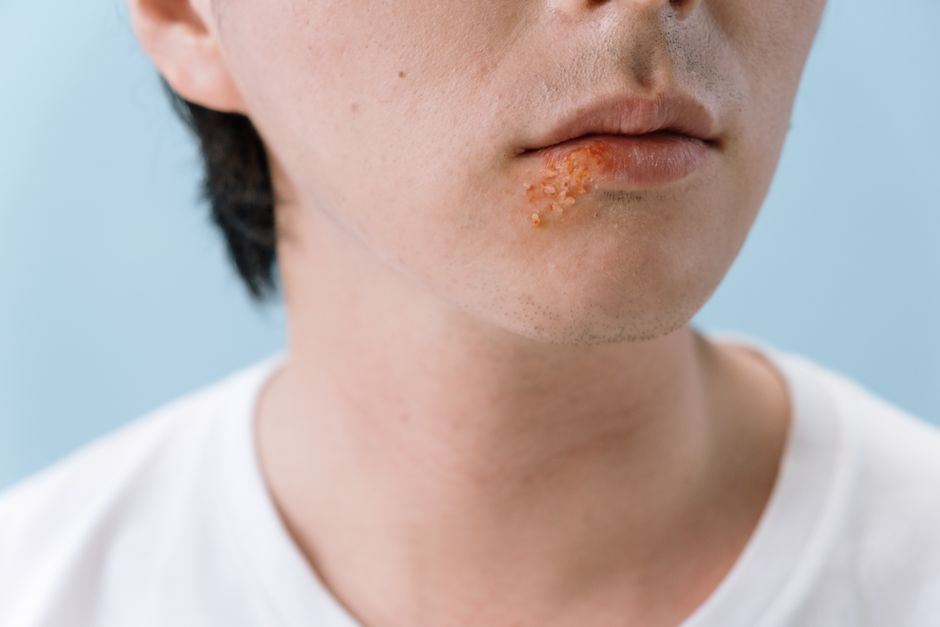
Cold sores are caused by the herpes simplex virus (HSV-1) and there is no cure. Treatment focuses on speeding up healing and reducing pain. For best results, start antiviral medication like valacyclovir or acyclovir at the first tingle. Over-the-counter creams with docosanol can also help if applied early. Keeping the area clean and avoiding triggers like stress or sun exposure are key prevention steps.
What Causes Cold Sores to Appear?
Cold sores come from the herpes simplex virus type 1 (HSV-1). Most people get this virus as children through close contact like kissing or sharing utensils. Once you have the virus, it stays in your body for life. It hides in nerve cells near your cheekbone and can become active again later.
When the virus reactivates, it travels back to your skin and creates a blister. Not everyone who carries the virus gets cold sores. Some people carry it without ever having an outbreak. The CDC reports that about 50 to 80 percent of adults in the US carry HSV-1, though many never have symptoms.
Common triggers for outbreaks include stress, illness, fatigue, sun exposure, and hormonal changes. A fever or cold can also wake the virus up. This is why some people call them fever blisters. Knowing your personal triggers can help you prevent outbreaks before they start.
How Do You Treat a Cold Sore Once It Appears?
Antiviral medications are the most effective treatment. Prescription pills like valacyclovir (Valtrex) and acyclovir (Zovirax) work best when taken at the first sign of a sore. That tingle, itch, or burn you feel before the blister forms is the best time to start. Research published in the Journal of the American Academy of Dermatology shows that early treatment can shorten healing time by one to two days.
Over-the-counter options also help. Docosanol (Abreva) is a cream that prevents the virus from entering healthy skin cells. It works best when applied five times a day starting at the first symptom. Some people find relief with cold sore patches that cover the sore and keep it moist. These patches also hide the sore and prevent spreading.
For pain, you can use ibuprofen or acetaminophen. Numbing creams with lidocaine or benzocaine can make the area feel better. Keep the sore clean with mild soap and water. Do not pick at it. Picking delays healing and can cause scarring or a bacterial infection.
What Does Research Say About Cold Sore Prevention?
Prevention starts with avoiding triggers. If sun exposure causes your outbreaks, use SPF 30 or higher lip balm every day. A study in the journal Oral Surgery, Oral Medicine, Oral Pathology found that daily sunscreen use reduced cold sore recurrence in people with sun-triggered outbreaks. If stress is your trigger, stress management techniques like meditation or exercise may help.
Daily antiviral medication can prevent outbreaks for people who get them often. Doctors call this suppressive therapy. Taking a low dose of valacyclovir or acyclovir every day can reduce outbreaks by 70 to 80 percent. The American Academy of Dermatology recommends this for people who have six or more outbreaks per year.
Lysine supplements are widely claimed to prevent cold sores. Strong evidence is limited. Some small studies suggest that taking 1,000 to 3,000 mg of lysine daily may reduce outbreak frequency for some people. The research is not consistent enough to recommend it for everyone. Arginine-rich foods like nuts and chocolate are often blamed for triggering outbreaks, but the evidence here is also weak.




What Should You Avoid During a Cold Sore Outbreak?
Do not kiss anyone or share personal items during an outbreak. The virus spreads easily through direct contact. This includes sharing lip balm, razors, toothbrushes, towels, and drinking glasses. You are contagious from the first tingle until the sore is completely healed and the scab has fallen off.
Avoid touching the sore. If you do touch it, wash your hands immediately. The virus can spread to your eyes or genitals. Eye infections with HSV-1 are serious and can cause vision loss. Do not pick at the scab. Let it fall off naturally.
Some home remedies are popular but not well studied. Tea tree oil, lemon balm, and aloe vera are sometimes used. A few small studies suggest these may help slightly, but they are not a replacement for antiviral medication. Avoid applying alcohol or hydrogen peroxide directly to the sore. These can irritate the skin and slow healing.
How Do Cold Sore Treatments Compare?
| Treatment | Type | Best Time to Start | Effectiveness |
|---|---|---|---|
| Valacyclovir (Valtrex) | Prescription pill | First tingle or within 24 hours | Shortens healing by 1-2 days |
| Acyclovir (Zovirax) | Prescription pill or cream | First tingle or within 24 hours | Shortens healing by 1 day |
| Docosanol (Abreva) | OTC cream | First tingle | May shorten healing by a few hours to 1 day |
| Cold sore patches | OTC patch | After blister forms | Protects sore, may speed healing slightly |
| Lysine supplements | Dietary supplement | Daily for prevention | Mixed evidence, may help some people |
What To Do With Cold Sores Treatment Prevention When You Travel?
Travel can trigger outbreaks because of stress, sun exposure, and changes in routine. If you are prone to cold sores, pack antiviral medication with you. Ask your doctor for a prescription you can keep on hand for emergencies. This is called episodic treatment. You take the pills only when you feel an outbreak starting.
Sun protection is especially important when traveling to sunny places. Use a lip balm with SPF 30 or higher and reapply often. Wear a wide-brimmed hat for extra protection. Avoid sharing drinks or utensils with others, even if they look healthy. People can shed the virus without having visible sores.
Changes in time zones and sleep patterns can weaken your immune system. Try to maintain a consistent sleep schedule. Stay hydrated and eat balanced meals. Some people report that high-arginine foods like peanuts and chocolate trigger outbreaks, so you may want to limit these during travel. The evidence is not strong, but it is a low-risk change to try.
When Should You See a Doctor About Cold Sores?
Most cold sores heal on their own within 7 to 10 days. You do not need to see a doctor for every outbreak. But there are times when medical care is important. If the sore does not heal within two weeks, see a doctor. This could be a sign of a different condition or a secondary infection.
See a doctor if you get cold sores more than six times per year. They may recommend suppressive therapy with daily antiviral medication. Also see a doctor if the outbreak is severe with many sores or if it spreads to your eyes. Eye pain, redness, or sensitivity to light with a cold sore is a medical emergency.
People with weakened immune systems from chemotherapy, organ transplants, or conditions like HIV should see a doctor at the first sign of a cold sore. The virus can cause more serious complications in these cases. Pregnant women who get a first-time outbreak near delivery should also see their doctor immediately.
Common Misconceptions About Cold Sores
One common myth is that cold sores are only contagious when the blister is visible. The virus can spread even when you have no symptoms. This is called asymptomatic shedding. Research shows that people with HSV-1 shed the virus on about 10 to 20 percent of days without having any sores.
Another myth is that cold sores are the same as canker sores. They are not. Cold sores are caused by a virus and appear on the outside of the mouth on the lips. Canker sores are not contagious and appear inside the mouth on the soft tissue. They have different causes and treatments.
Some people believe that once you have had a cold sore, you are immune to getting them again. The opposite is true. Once you have the virus, it stays with you for life and can reactivate at any time. There is no cure for HSV-1, only treatments that manage outbreaks and reduce their frequency.
Frequently Asked Questions
Can you pop a cold sore like a pimple?
No. Popping a cold sore spreads the virus and can cause infection or scarring. Let it heal naturally.
How long is a cold sore contagious?
You are contagious from the first tingle until the sore is completely healed and the scab has fallen off. This is usually about 7 to 10 days.
Does toothpaste help cold sores?
There is no clinical evidence that toothpaste helps cold sores. It can irritate the skin and delay healing. Stick to proven treatments.
Can you get cold sores from stress alone?
Stress does not give you the virus, but it can trigger an outbreak if you already carry HSV-1. Managing stress may reduce outbreak frequency.
