
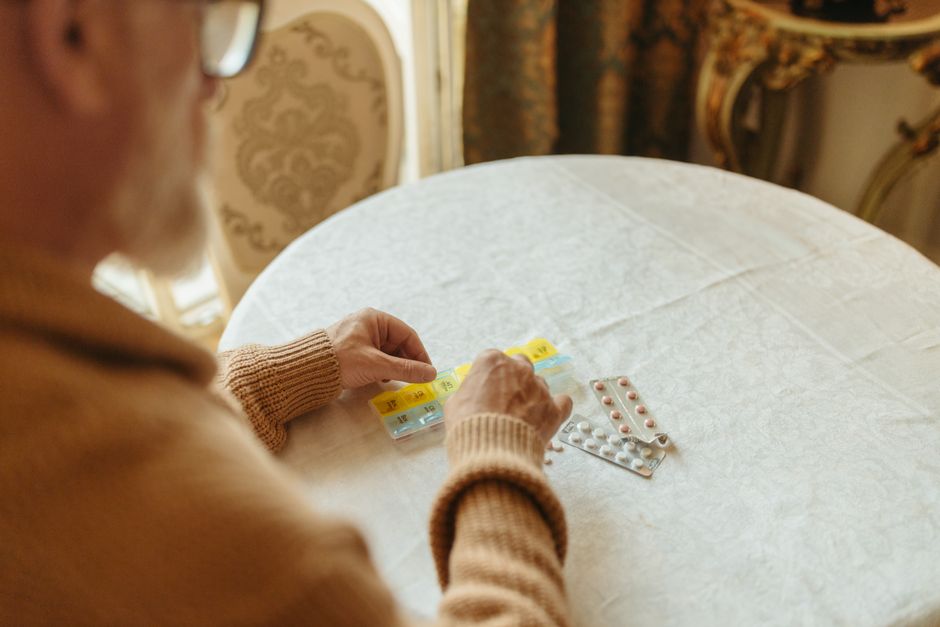
RSV in adults is not just a childhood illness. For adults over 65 or those with chronic conditions like COPD, heart disease, or a weakened immune system, RSV can become serious enough to require hospital care. Treatment depends entirely on how severe your symptoms are and your risk factors. For mild cases at home, the focus is on managing fever, staying hydrated, and clearing mucus. For severe cases that affect breathing, hospital care may include oxygen, IV fluids, and in some cases antiviral medication or steroids. The key is knowing when home care is enough and when you need medical help.
What Are the First Signs of RSV in Adults?
RSV often starts like a common cold. You may have a runny nose, sore throat, cough, headache, and a low-grade fever. Many adults mistake it for a cold or allergies at first.
The difference comes in the second week. While a cold usually improves, RSV can move into the lower airways. This causes wheezing, shortness of breath, and a deeper cough that brings up mucus. Some adults also feel very tired or have chest tightness.
Research published in the New England Journal of Medicine found that RSV causes about 177,000 hospitalizations in older adults each year in the United States. Many of those hospitalizations started with symptoms that seemed mild at first. Pay attention to how your breathing feels on day four or five. That is when RSV often turns more serious.
How Do You Treat RSV in Adults From Home to Hospital?
For mild RSV at home, treatment is supportive. There is no pill that kills the virus directly for most adults. Instead, you help your body fight it off.
The CDC recommends these steps for home care:
- Drink plenty of water, broth, or electrolyte drinks to prevent dehydration
- Use a humidifier or take steamy showers to loosen mucus
- Take acetaminophen or ibuprofen for fever and body aches
- Rest as much as possible — your immune system needs energy
- Sleep with your head elevated on extra pillows to help breathing
If symptoms get worse or you have trouble breathing, that is when home care stops being enough. Hospital treatment may include oxygen therapy, bronchodilators like albuterol to open airways, and IV fluids if you cannot drink enough. In severe cases, doctors may use the antiviral drug ribavirin, though it is rarely used in adults because of side effects and limited evidence of benefit.
The National Institutes of Health notes that steroids are not routinely recommended for RSV in adults. Some studies suggest they do not shorten recovery and may increase the risk of secondary infections. Your doctor will decide based on your specific situation.
When Should an Adult Go to the Hospital for RSV?
This is the most important question for home treatment. Knowing when to go can prevent an emergency.
Go to the hospital or call 911 if you experience any of these signs:
- Difficulty breathing or feeling like you cannot get enough air
- Blue or gray color on your lips, skin, or fingernails
- Chest pain that is not from coughing
- Confusion or feeling very drowsy
- Dehydration — dry mouth, dark urine, or not urinating for 8 hours
For adults with chronic conditions, the threshold is lower. If you have COPD, asthma, heart failure, or a weakened immune system, talk to your doctor early. Do not wait until you cannot breathe. The American Lung Association advises that older adults with RSV should seek medical care if their oxygen saturation drops below 92 percent on a pulse oximeter at home.
One study from the Journal of Infectious Diseases found that adults over 65 with RSV were hospitalized an average of 6 days. Early treatment reduced the need for intensive care. Do not delay if you are in a high-risk group.



What Treatments Do Hospitals Use for Severe RSV?
Hospital care for RSV is focused on supporting breathing and preventing complications. It is not about curing the virus quickly. There is no fast fix.
Common hospital treatments include:
- Oxygen therapy — delivered through a nasal cannula or mask to keep oxygen levels normal
- Bronchodilators — medications like albuterol that relax airway muscles and help you breathe easier
- IV fluids — if you cannot drink enough on your own
- Chest physiotherapy — techniques to help clear mucus from your lungs
Ribavirin is an antiviral drug that can be used for RSV, but it is mostly reserved for severely immunocompromised patients. The evidence for its effectiveness in otherwise healthy adults is weak. A review in the Cochrane Database concluded that ribavirin may reduce the duration of mechanical ventilation in some patients, but it does not clearly lower death rates.
Steroids like prednisone are sometimes given, but the data is mixed. Some research shows they do not improve outcomes and may prolong viral shedding — meaning you stay contagious longer. Many hospitals now avoid steroids for RSV unless the patient has a separate condition like asthma that requires them.
Antibiotics are not effective against RSV because it is a virus. They are only used if a bacterial infection like pneumonia develops on top of the viral illness.
How Does RSV Recovery Differ Between Home and Hospital Care?
Recovery time varies widely. For mild cases treated at home, most adults feel better within one to two weeks. The cough often lingers for three to four weeks. That is normal and not a sign of treatment failure.
For hospitalized adults, recovery takes longer. A study in Clinical Infectious Diseases found that adults hospitalized with RSV had an average hospital stay of 5 to 7 days. After discharge, many still felt fatigued and had a cough for several more weeks. Some needed home oxygen for a period after leaving the hospital.
The table below summarizes the key differences between home and hospital treatment:
| Treatment Aspect | Home Care | Hospital Care |
|---|---|---|
| Hydration | Oral fluids as tolerated | IV fluids if oral intake is inadequate |
| Breathing support | Elevated sleeping position, humidifier | Oxygen therapy, bronchodilators |
| Fever control | Acetaminophen or ibuprofen | Same medications, plus IV if needed |
| Antiviral medication | Not recommended for home use | Ribavirin in rare, severe cases only |
| Monitoring | Self-monitoring of symptoms | Continuous pulse oximetry, vital checks |
| Expected recovery | 1 to 2 weeks for most symptoms | 5 to 7 days in hospital, weeks of recovery |
One thing many people do not realize is that RSV can worsen existing heart conditions. The stress of the infection can trigger heart failure or arrhythmias in people with underlying heart disease. If you have heart problems and get RSV, monitoring your symptoms closely is critical even if your breathing seems okay.
What Should You Avoid When Treating RSV at Home?
Some common mistakes can make RSV worse or delay recovery. Knowing what to avoid is just as important as knowing what to do.
Do not ask for antibiotics. They do not work on RSV and taking them unnecessarily can cause side effects or contribute to antibiotic resistance. Only take antibiotics if your doctor confirms a bacterial infection.
Do not use cough suppressants that contain dextromethorphan without talking to a doctor first. Coughing helps clear mucus from your lungs. Suppressing the cough can keep infected mucus in your airways and make breathing harder. The American College of Chest Physicians recommends against using over-the-counter cough medicines for RSV in most cases.
Do not take more than the recommended dose of acetaminophen. Fever is uncomfortable, but it is part of your immune response. Lowering it too aggressively may not help recovery. Stick to the dosing on the label and do not combine multiple products that contain acetaminophen.
Do not assume you are immune because you had RSV as a child. Reinfection is common. The virus changes over time and your immunity fades. Adults can get RSV multiple times throughout their life.
Do not ignore worsening symptoms out of fear of going to the hospital. RSV can progress quickly in older adults. A study from the Journal of the American Medical Association found that adults over 65 who delayed seeking care for RSV had longer hospital stays and higher rates of ICU admission. If your breathing feels harder than it did yesterday, get checked.
Can You Prevent RSV in Adults?
Prevention is possible and important for high-risk adults. The FDA has approved two RSV vaccines for adults aged 60 and older: Arexvy and Abrysvo. Clinical trials showed they reduce the risk of severe RSV by about 80 percent in older adults.
The CDC recommends that adults aged 60 and older talk to their doctor about getting an RSV vaccine, especially if they have chronic heart or lung disease or a weakened immune system. The vaccine is a single shot and is given before RSV season, which typically runs from fall through spring.
Other prevention steps include frequent hand washing, avoiding close contact with people who have cold symptoms, and cleaning high-touch surfaces like doorknobs and phones. RSV spreads through respiratory droplets and can live on surfaces for several hours.
There is no RSV antiviral pill for prevention. The monoclonal antibody nirsevimab is approved for infants and young children, but it is not currently recommended for adults. Research is ongoing to develop better treatment options for adults, but as of 2026, supportive care remains the standard.
Frequently Asked Questions
How long does RSV last in adults?
Mild cases last about one to two weeks. The cough can linger for three to four weeks in some adults.
Can adults get RSV more than once?
Yes, reinfection is common. Immunity fades over time and the virus changes, so adults can get RSV multiple times.
Is there a test for RSV in adults?
Yes, a nasal swab test can detect RSV. It is often done in hospitals or clinics when symptoms are severe.
Does the RSV vaccine work for older adults?
Clinical trials show the RSV vaccine reduces the risk of severe illness by about 80 percent in adults aged 60 and older.
