
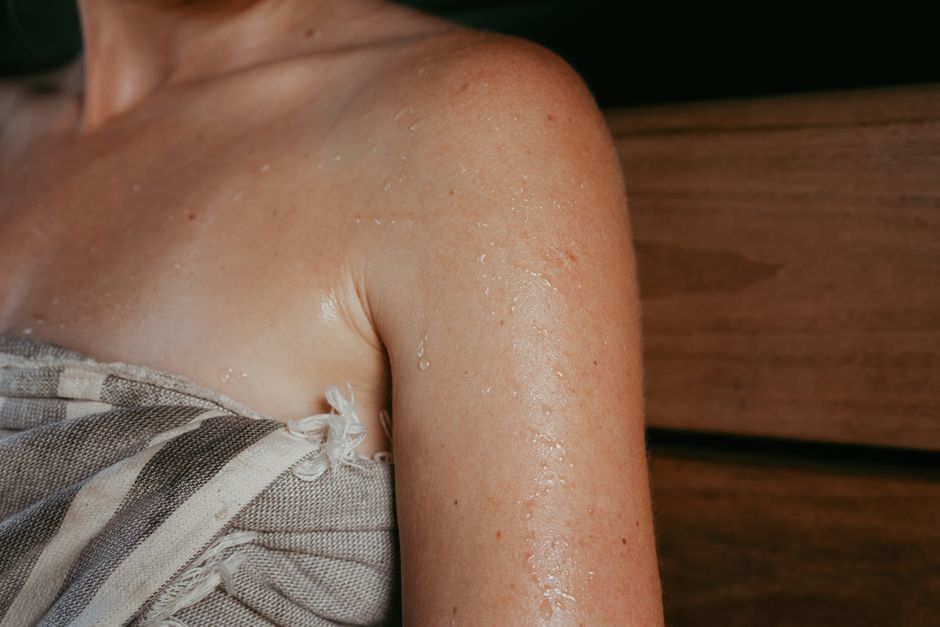
Night sweats are not the same as feeling warm in bed. They are drenching sweats that soak through your clothes and sheets, often waking you up. For most people, simple changes at home can stop them. For others, an underlying medical condition needs treatment. The right approach depends entirely on the cause.
What Actually Causes Night Sweats?
Your body uses sweating to cool down. Night sweats happen when that cooling system runs too hard while you sleep. The most common causes are not diseases. They are things like your bedroom temperature, your bedding, or what you ate or drank before bed.
Hormonal changes are also a major cause. Perimenopause and menopause cause drops in estrogen that mess with your body’s temperature control. The North American Menopause Society reports that up to 80 percent of women experience hot flashes and night sweats during this transition.
Other causes include certain medications. Antidepressants, hormone therapy drugs, and some diabetes medications can trigger night sweats. Infections, thyroid problems, and sleep disorders like sleep apnea are less common but real causes. Rarely, night sweats can signal something more serious like lymphoma or other cancers. But that is not the typical story.
What Home Fixes Actually Work for Night Sweats?
Start with your sleep environment. Keep your bedroom cool. The National Sleep Foundation recommends a room temperature between 60 and 67 degrees Fahrenheit. That feels cold at first. Your body will adjust within a few nights.
Change your bedding. Cotton sheets breathe better than polyester blends. A lightweight wool blanket wicks moisture away from your skin better than a thick comforter. Some people find that layering thin blankets lets them adjust temperature during the night without waking up fully.
Your clothing matters too. Wear loose-fitting cotton or bamboo pajamas. Synthetic fabrics trap heat and moisture. If you wake up soaked, change into dry clothes immediately. Keep a spare set of pajamas and a towel on your nightstand.
Watch what you eat and drink before bed. Spicy foods, caffeine, and alcohol can trigger night sweats in many people. Alcohol in particular widens blood vessels and raises your heart rate, which can make you overheat. A study in the journal Sleep found that alcohol before bed increases body temperature and disrupts sleep quality.
Weight loss helps some people. Excess body fat acts as insulation. It traps heat and makes it harder for your body to cool down at night. The CDC notes that obesity is linked to more frequent and severe night sweats.
What Medical Treatments Are Available for Night Sweats?
When home fixes are not enough, medical options exist. The right treatment depends on the root cause. For menopause-related night sweats, hormone therapy can be very effective. Estrogen therapy reduces hot flashes and night sweats in most women. The FDA has approved low-dose estrogen for this purpose.
Non-hormonal medications also work. Certain antidepressants like venlafaxine (Effexor) and paroxetine (Paxil) reduce night sweats even in women who are not depressed. Gabapentin, a nerve pain medication, also helps. The Mayo Clinic lists these as second-line options when hormone therapy is not appropriate or desired.
For night sweats caused by medications, your doctor might adjust your dose or switch you to a different drug. Never stop a prescribed medication on your own. Talk to your doctor about alternatives.
If an infection or thyroid problem is the cause, treating that condition usually stops the night sweats. Antibiotics for infections or medication for hyperthyroidism often resolve the symptom completely.
For sleep apnea, a CPAP machine can stop night sweats. A 2015 study published in Sleep and Breathing found that CPAP treatment significantly reduced night sweats in people with obstructive sleep apnea. Many patients reported complete resolution within weeks.





How To Treat Night Sweats Home Fixes And Medical Options Compared
The table below shows common approaches side by side. This helps you see which options match your situation.
| Approach | How It Works | Best For | Evidence Level |
|---|---|---|---|
| Cool bedroom and breathable bedding | Reduces ambient temperature and wicks sweat | Mild night sweats from environment | Strong general consensus |
| Avoid alcohol and spicy food before bed | Prevents triggers that raise body temperature | People who notice patterns after eating or drinking | Moderate evidence from sleep studies |
| Weight loss | Reduces insulation from body fat | People with overweight or obesity | Strong from CDC and clinical data |
| Hormone therapy (estrogen) | Replaces declining estrogen to stabilize temperature | Menopause-related night sweats | Strong from FDA and major studies |
| Non-hormonal medications (antidepressants, gabapentin) | Alters brain chemicals that control temperature | Women who cannot take hormones | Moderate from clinical trials |
| CPAP for sleep apnea | Keeps airway open to prevent breathing pauses | People with diagnosed sleep apnea | Strong from sleep medicine research |
When Should You See a Doctor About Night Sweats?
Occasional night sweats are normal. But some signs mean you should make an appointment. If you have night sweats along with unexplained weight loss, fever, or fatigue, see a doctor. These symptoms together can point to an infection or a more serious condition.
If your night sweats happen every night for several weeks, that is worth checking. If they are severe enough that you have to change your sheets or pajamas multiple times a night, do not ignore that. The American Academy of Family Physicians recommends medical evaluation for persistent night sweats, especially if you are over 40.
Women going through menopause should still mention night sweats to their doctor. There are treatments that can dramatically improve sleep quality. Many women suffer in silence because they think it is normal. It is common, but you do not have to live with it.
Men should pay special attention. Night sweats in men are less likely to be hormonal and more likely to have a medical cause. If you are a man having regular night sweats, especially with other symptoms, get checked.
What Common Myths About Night Sweats Should You Ignore?
One persistent myth is that night sweats mean you have cancer. This causes unnecessary fear. The vast majority of night sweats are from benign causes like menopause, medication side effects, or sleep environment. Cancer is a rare cause. Do not jump to that conclusion without talking to a doctor.
Another myth is that detox diets or herbal cleanses cure night sweats. There is no clinical evidence that any detox product stops night sweats. These products are not regulated by the FDA. Some herbal supplements can actually make night sweats worse by affecting your hormones or metabolism.
Some people believe that night sweats are always a sign of infection. While infections like tuberculosis and HIV can cause night sweats, these are not common in otherwise healthy adults in the United States. A simple viral illness might cause a few nights of sweating, but that resolves on its own.
Finally, the idea that night sweats are just part of aging and cannot be treated is false. There are effective treatments for nearly every cause. Do not accept poor sleep as inevitable.
Frequently Asked Questions
What is the fastest way to stop night sweats at home?
Lower your bedroom temperature and switch to cotton sheets and lightweight blankets. Keep a spare set of dry pajamas on your nightstand to change into immediately if you wake up wet.
Can stress or anxiety cause night sweats?
Yes, stress and anxiety activate your nervous system and can raise your body temperature. Managing stress through relaxation techniques or therapy may reduce night sweats in some people.
Do night sweats always mean menopause?
No, night sweats have many causes including medications, infections, sleep apnea, and thyroid problems. Menopause is one common cause but not the only one.
What medications are most likely to cause night sweats?
Antidepressants, especially SSRIs, hormone therapy drugs, and some diabetes medications are common triggers. Talk to your doctor before stopping any medication.
