
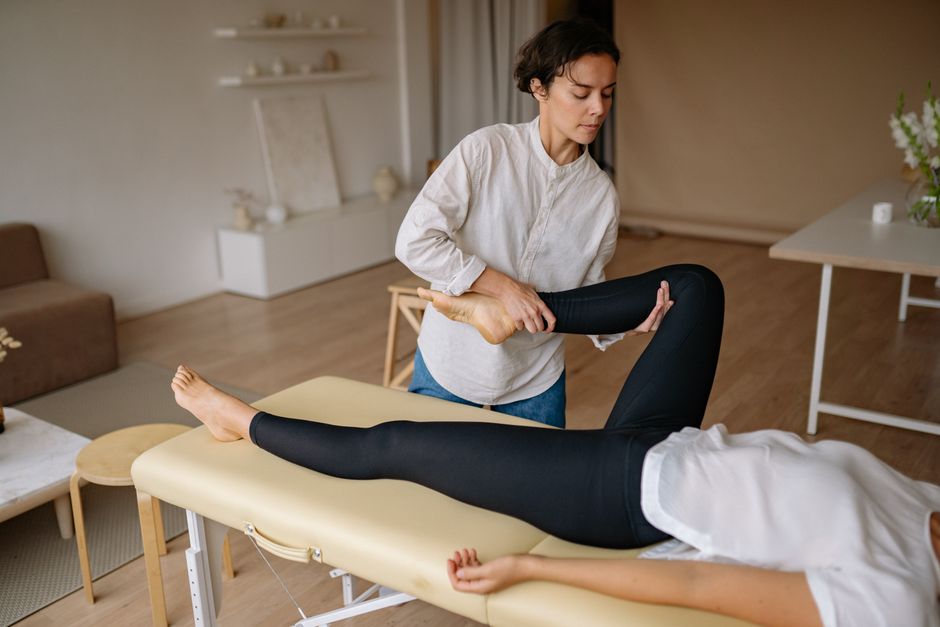
Leg cramps hit without warning, often in the middle of the night. The muscle tightens into a hard knot and will not relax. Stretching the muscle right away is the fastest way to stop the pain. For ongoing prevention, staying hydrated and getting enough minerals like magnesium and potassium makes the biggest difference for most people. Here is what the evidence actually says about stopping cramps when they happen and keeping them from coming back.
What Causes Leg Cramps in the First Place?
No one knows exactly why cramps start. That is the honest answer. Researchers have several theories but no single cause.
One strong theory involves how nerves signal muscles to contract. When a nerve fires too often, the muscle keeps contracting and cannot relax. This may explain why cramps happen more in tired muscles after exercise. The nerves are overworked.
Dehydration is another common trigger. When your body loses fluid and electrolytes, muscle cells become more irritable. The same thing happens if you are low on magnesium, potassium, or calcium. These minerals help muscles contract and relax normally. Without enough of them, the system gets out of balance.
Some medications also raise your risk. Diuretics, statins, and blood pressure drugs are known to increase cramping. If your cramps started after a new prescription, talk to your doctor. Do not just assume it is a mineral problem.
What Stops a Cramp Once It Starts?
The fastest relief comes from stretching the cramped muscle. For a calf cramp, straighten your leg and pull your toes back toward your shin. You can do this while sitting up in bed or standing with your heel on the floor. Hold the stretch until the cramp releases. This usually takes 30 seconds to a minute.
Massage helps too. Press firmly into the knot with your thumb or knuckles. Rub in a circular motion. Some people find that applying heat with a warm towel or heating pad relaxes the muscle faster than ice. Heat increases blood flow. Ice reduces inflammation if the muscle is sore afterward.
Walking around can also break a cramp. The weight and movement signal the muscle to relax. Do not stay in bed hoping it will pass. Get up and move.
There is some evidence that drinking pickle juice works. Research published in the journal Medicine and Science in Sports and Exercise found that pickle juice stopped cramps about 45 percent faster than water. The theory is that the vinegar triggers a nerve reflex in the throat that tells the overactive muscle to calm down. It is not the electrolytes. The effect happens too fast for that.
Does Magnesium Really Prevent Leg Cramps?
Magnesium is the most talked-about supplement for cramps. The evidence is mixed.
A 2020 review in the journal Nutrients looked at several studies on magnesium for nighttime leg cramps. The results were not convincing. For older adults, magnesium did not reduce cramp frequency better than a placebo. For pregnant women, some studies showed a benefit. But the overall evidence was weak.
That does not mean magnesium never works. It means it does not work for everyone. If you are already low on magnesium, supplementing will likely help. If your levels are normal, extra magnesium probably will not make a difference.
The best way to know is to look at your diet. Are you eating leafy greens, nuts, seeds, and whole grains regularly? Most people do not get enough magnesium from food alone. The National Institutes of Health reports that nearly half of all Americans consume less than the recommended amount. A magnesium glycinate supplement at night is a reasonable trial. Do not expect miracles. Give it two to four weeks and see if your cramps decrease.





What About Potassium, Calcium, and Hydration?
Potassium gets a lot of attention for cramps, especially among athletes. But the evidence is similar to magnesium. Low potassium can cause cramps. Normal potassium levels mean extra potassium probably will not help.
Bananas are the go-to food. One banana has about 400 mg of potassium. The daily recommendation is 4,700 mg for adults. That is roughly 12 bananas. So a single banana is not a cure. It is a small piece of a larger picture.
Better sources of potassium include potatoes with skin, spinach, avocados, and beans. These foods also provide other minerals your muscles need.
Calcium is less commonly discussed but still important. Low calcium makes nerves more excitable. Dairy, fortified plant milks, and leafy greens are good sources. If you avoid dairy, pay attention to your calcium intake.
Hydration matters more than any single mineral. Even mild dehydration changes how your muscles work. The American Council on Exercise recommends drinking water throughout the day, not just when you are thirsty. Urine color is a simple guide. Pale yellow means you are hydrated. Dark yellow means you need more water.
Here is a comparison of common cramp prevention strategies and what the evidence says about each:
| Strategy | What the Evidence Shows | Who It Helps Most |
|---|---|---|
| Magnesium supplements | Mixed results in studies. Helpful if deficient. | Pregnant women, older adults with low intake |
| Potassium-rich foods | Clear benefit for deficiency. No evidence for prevention in normal levels. | People who sweat heavily or take diuretics |
| Stretching before bed | Some studies show reduced frequency. Low risk. | People with nighttime cramps |
| Hydration | Strong indirect evidence. Dehydration clearly triggers cramps. | Anyone who exercises or lives in hot climates |
| Pickle juice | Small study shows faster relief than water. | Active cramps only, not prevention |
Can Stretching and Exercise Prevent Cramps?
Stretching is the most commonly recommended prevention method. The evidence is not strong, but it is also not harmful. A 2012 study in the Journal of Physiotherapy found that nightly calf stretches reduced nighttime cramp frequency by about 50 percent in older adults. That is a meaningful benefit.
The key is consistency. Stretching once a week will not help. Doing it every night before bed might. The stretch is simple. Stand facing a wall, step one foot back, keep the heel on the ground, and lean forward. Hold for 30 seconds. Repeat on each side three times.
Exercise overall helps. Regular activity keeps muscles conditioned and less prone to fatigue. But be careful about overdoing it. Intense exercise without proper recovery is a known cramp trigger. If you are training hard, make sure you are eating enough and sleeping well.
Some people report that wearing compression socks at night helps. The idea is that they improve blood flow and reduce muscle vibration. Evidence is very limited. A small 2014 study in the Journal of Chiropractic Medicine found that compression stockings reduced nighttime cramp frequency in some people. It is worth trying if other methods have not worked. The cost is low and the risk is minimal.
What About Quinine and Other “Cures”?
Quinine used to be a common treatment for leg cramps. The FDA banned it for this use in 2006. Quinine can cause serious side effects including heart rhythm problems and low platelet counts. It is still available for malaria treatment but should never be taken for cramps. If you see quinine in any over-the product, avoid it.
Some people try tonic water because it contains a small amount of quinine. The amount is too low to help cramps and too low to cause harm. It is essentially useless for this purpose.
Other supplements like vitamin B complex and vitamin E have been studied. The results are not convincing. A 2020 Cochrane review found no good evidence that any vitamin supplement prevents leg cramps. That includes B vitamins, vitamin E, and vitamin D.
Here are things to avoid based on current evidence:
- Quinine supplements or tonic water for cramps
- High-dose vitamin E (ineffective and can be toxic at high doses)
- Relying on a single food like bananas as a cure
- Ignoring medication side effects as a possible cause
- Stretching only when a cramp happens and not as a daily habit
When Should You See a Doctor About Leg Cramps?
Occasional cramps are normal. Cramps that happen several times a week or interfere with sleep are worth discussing with a doctor. There are medical conditions that cause frequent cramping. Peripheral artery disease, kidney disease, and thyroid problems can all present with cramps as a symptom.
Your doctor can run basic blood tests to check electrolyte levels and kidney function. They can also review your medications. Statins, diuretics, and some blood pressure drugs are common culprits. If a medication is causing your cramps, your doctor may adjust the dose or switch you to a different drug.
For severe or persistent cases, some doctors prescribe muscle relaxants like cyclobenzaprine. These are not a first-line treatment. They come with side effects including drowsiness and dizziness. They are typically used only when lifestyle changes and supplements have failed.
There is also a medication called mexiletine that is sometimes used off-label for cramps. It is a sodium channel blocker originally developed for heart arrhythmias. The evidence for cramps is weak and the side effects can be significant. Most doctors will not prescribe it unless the cramps are debilitating and nothing else has worked.
Frequently Asked Questions
What is the fastest way to stop a leg cramp?
Stretch the muscle immediately by pulling your toes back toward your shin. Massaging the knot and walking around can also help it release faster.
Does drinking pickle juice actually stop leg cramps?
One small study found pickle juice stopped cramps 45 percent faster than water. The effect seems to come from a nerve reflex triggered by the vinegar, not the electrolytes.
Can dehydration cause leg cramps at night?
Yes. Even mild dehydration makes muscle cells more irritable and increases the chance of cramping. Drinking enough water throughout the day is one of the most effective prevention strategies.
Should I take magnesium for leg cramps?
It may help if you are deficient in magnesium. If your levels are normal, studies show magnesium does not reduce cramp frequency for most people. A two to four week trial is reasonable.
