
There is no routine blood test your doctor can order to measure serotonin levels in your brain. That is the short answer, and it surprises most people. Serotonin is a chemical messenger that does most of its work inside the central nervous system, and the serotonin in your bloodstream is largely a separate pool produced and used elsewhere in the body. Because of that separation, a standard lab draw tells you very little about what is happening in your brain.
What doctors can measure are the breakdown products of serotonin in blood, urine, or spinal fluid. These tests exist, but they are used for specific medical situations, not for checking mood or mental health. Understanding what each test actually shows, and what it cannot show, is the key to making sense of this topic.
How To Test For Serotonin Levels: What Tests Actually Exist
Several laboratory tests can measure serotonin or its byproducts. Each one answers a different question, and none of them directly measures brain serotonin activity.
The most common test measures 5-HIAA (5-hydroxyindoleacetic acid), which is what serotonin breaks down into. This can be measured in a 24-hour urine collection or in blood. It is used mainly to help diagnose carcinoid tumors, a rare type of tumor that produces large amounts of serotonin. When serotonin production is very high, 5-HIAA levels rise measurably.
Blood serotonin itself can be measured, usually in serum or platelet-rich plasma, because most circulating serotonin is stored inside platelets. This test is used in research settings and occasionally in evaluating certain gastrointestinal or platelet disorders. It is not a mood test.
Spinal fluid testing can measure 5-HIAA in cerebrospinal fluid, which comes closer to reflecting serotonin activity in the central nervous system. This requires a lumbar puncture, is invasive, and is reserved for specific neurological evaluations. It is not done to assess depression or anxiety.
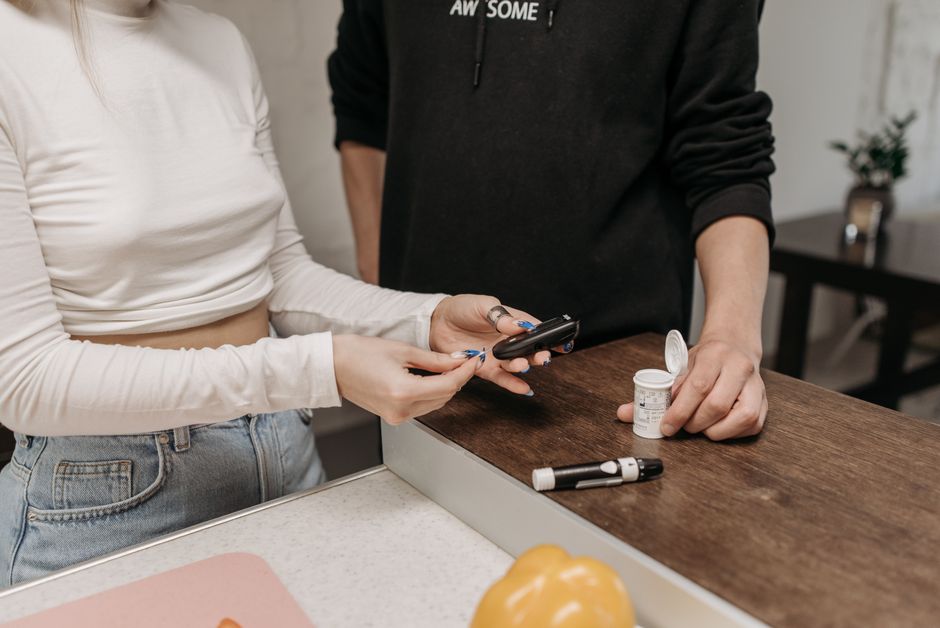
There is also a category of tests sold directly to consumers that claim to measure “serotonin levels” from a saliva or finger-prick sample. No established clinical guideline supports using these for diagnosing or managing any mental health condition. If a company claims its at-home test can tell you whether your serotonin is low, that claim is not backed by clinical evidence.
Why a Blood Test Cannot Measure Brain Serotonin
Serotonin does not cross the blood-brain barrier in any meaningful way. The serotonin in your brain is made there, by neurons, using the amino acid tryptophan as a starting material. The serotonin in your blood is made mostly by specialized cells in the gut and stored in platelets.
These are two largely separate systems. Roughly 90 percent of the body’s serotonin is produced in the gastrointestinal tract, where it helps regulate gut movement. That serotonin does not travel to the brain and does not reflect brain serotonin levels.
This is the central problem with the idea of a simple serotonin test. Even if a blood test shows a certain serotonin concentration, that number describes the body’s peripheral serotonin, not the neurotransmitter activity involved in mood, sleep, or appetite. The two do not move together in a predictable way.
Brain serotonin activity is also not a single number. It depends on how much serotonin neurons release, how many receptors are available, how efficiently serotonin is reabsorbed, and how quickly it is broken down. A single measurement of a chemical in blood cannot capture all of that.
What Doctors Actually Use to Assess Serotonin-Related Conditions
When serotonin is clinically relevant, doctors rely on the patient’s symptoms and history first, not on a serotonin level.
For suspected carcinoid syndrome, which can cause flushing, diarrhea, and wheezing, a 24-hour urine 5-HIAA test is a recognized diagnostic tool. Certain foods and medications can affect the result, so patients are usually given specific instructions to avoid them beforehand. This is one situation where a serotonin-related lab test is genuinely useful.
For depression and anxiety, there is no blood test, no scan, and no lab value that confirms a diagnosis. These conditions are diagnosed through a structured conversation about symptoms, duration, and how much they affect daily life. This is not a gap in medicine that a new test will soon fill. It reflects the reality that these conditions involve complex brain circuits, not a single measurable chemical level.
For suspected serotonin syndrome, a potentially serious reaction to certain medications, diagnosis is also clinical. It is based on the combination of symptoms such as agitation, confusion, rapid heart rate, muscle rigidity, and fever, along with a medication history. No lab test confirms it.




The Serotonin Theory of Depression: What the Evidence Shows
The idea that depression is caused by low serotonin is widely repeated but not well supported. A review published in the journal Molecular Psychiatry in 2022 examined the evidence across multiple lines of research and found no consistent evidence that depression is caused by lowered serotonin activity or concentration.
This does not mean serotonin is irrelevant to depression. Medications that affect serotonin, such as SSRIs, do help some people. But the reason they help is not fully understood, and it is not as simple as correcting a chemical deficiency.
This distinction matters for testing. If depression were caused by low serotonin, a test to measure it would make sense. Since the relationship is more complicated, there is no useful test to order. Researchers continue to study how serotonin and other systems interact in mood disorders, but no blood or urine test currently guides treatment decisions for depression.
Can You Test Serotonin at Home?
Some companies sell at-home test kits that claim to measure serotonin or its metabolites from saliva, urine, or a finger-prick blood sample. The scientific basis for using these to assess mental health is not established.
Several problems make these results hard to interpret:
- Peripheral serotonin does not reliably reflect brain serotonin activity.
- Serotonin levels fluctuate throughout the day and are affected by food, stress, and sleep.
- There are no validated reference ranges for using these tests to diagnose or guide treatment of mood conditions.
- Results can create false confidence or unnecessary worry without changing any evidence-based decision.
If you are concerned about your mental health, a conversation with a clinician is more useful than any at-home serotonin test. If you have symptoms that suggest a carcinoid tumor or another serotonin-related medical condition, a doctor can order the appropriate test and interpret it correctly.
What Serotonin Actually Does in the Body
Serotonin is involved in far more than mood. In the brain, it helps regulate sleep, appetite, body temperature, and pain perception. In the gut, it helps control how food moves through the digestive tract. In the blood, it plays a role in clotting.
This wide reach is part of why a single “serotonin level” is not a meaningful number. The same molecule does different jobs in different places, and the systems are regulated separately. A change in one area does not necessarily reflect a change in another.
This is also why medications that affect serotonin can have effects across the body, from mood to digestion to sexual function. It is not a sign that something is wrong with the drug. It reflects how broadly serotonin operates.
When a Serotonin Test Is Worth Doing
A serotonin-related test is worth doing when a doctor suspects a specific condition where it provides useful information. The clearest example is carcinoid syndrome, where a 24-hour urine 5-HIAA measurement can support the diagnosis and help track the disease.
In rare cases, cerebrospinal fluid 5-HIAA is measured to evaluate certain neurological conditions. These are specialized situations handled by specialists, not routine care.
Outside of these situations, serotonin testing is not part of standard medical practice for mental health. The evidence does not support using blood, urine, or saliva serotonin levels to diagnose depression, anxiety, or other mood conditions, or to choose or adjust treatment.
Frequently Asked Questions
Can you test serotonin levels with a blood test?
Blood tests can measure serotonin or its breakdown products, but they reflect peripheral serotonin, not brain serotonin. These tests are used for specific medical conditions, not for assessing mood or mental health.
Is there a test to check serotonin for depression?
No. There is no blood test, scan, or lab value that diagnoses depression or measures the serotonin activity involved in mood. Depression is diagnosed through a clinical evaluation of symptoms and history.
What does a 5-HIAA urine test measure?
A 5-HIAA urine test measures the breakdown product of serotonin over a 24-hour period. It is used mainly to help diagnose and monitor carcinoid tumors, which can produce large amounts of serotonin.
Are at-home serotonin tests accurate?
No established clinical guideline supports using at-home serotonin tests to assess mental health, and their results are difficult to interpret. Peripheral serotonin does not reliably reflect brain serotonin activity.
