
The valgus stress test is a quick physical exam maneuver doctors use to check for ligament damage on the inner side of a joint, most commonly the knee or elbow. During the test, the examiner applies pressure to the joint in a specific direction to see if it opens up more than it should. If the joint gap widens abnormally or causes pain, it suggests a sprain or tear in the medial collateral ligament.
What Is The Valgus Stress Test And How Is It Done?
The valgus stress test checks the stability of the medial collateral ligament, often called the MCL. In the knee, this ligament runs along the inside of the joint and connects the thigh bone to the shin bone. It keeps the knee from bending too far inward.
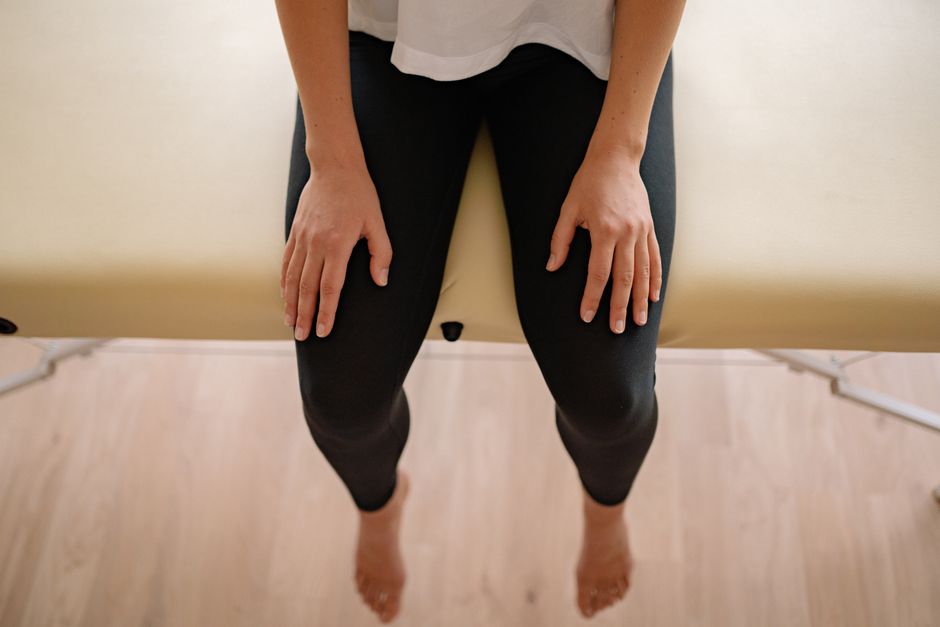
To perform the test on the knee, the patient lies flat on their back. The examiner places one hand on the outside of the knee joint and the other hand around the ankle. The examiner then pushes the ankle outward while pulling the knee inward. This motion puts stress on the inner ligament.
For the elbow, the patient sits or lies down with the arm slightly bent. The examiner holds the elbow with one hand and the wrist with the other. The examiner then pushes the wrist outward while pulling the elbow inward. This stretches the medial collateral ligament of the elbow.
The test is done slowly and gently at first. If there is no pain or abnormal movement, the examiner may repeat it with more force. A positive test means the joint opens up more than normal or the patient feels pain on the inner side.
What Does a Positive Test Mean?
A positive valgus stress test indicates the medial collateral ligament is stretched, partially torn, or completely torn. The degree of looseness helps the clinician grade the injury.
A mild injury, called a Grade 1 sprain, causes pain but no significant joint opening. A Grade 2 sprain shows some joint opening and indicates a partial tear. A Grade 3 sprain shows a clear gap and means the ligament is completely torn.
When the joint opens up with a clear endpoint of resistance, the ligament is likely partially intact. When there is no firm endpoint and the joint feels mushy, a complete tear is more likely. This distinction matters for treatment planning.
A positive test alone does not tell the whole story. The examiner also considers swelling, bruising, and how the injury happened. Imaging like an MRI may be needed to confirm the extent of the tear.
Why Is the Test Performed?
Doctors use this test when a patient reports pain on the inner side of the knee or elbow after an injury. It is a standard part of the physical exam for sports injuries, falls, and twisting accidents.
The test helps answer three questions. First, is the medial collateral ligament injured? Second, how severe is the injury? Third, does the joint need further imaging or referral to a specialist?
It is also used during recovery. Repeating the test weeks after an injury helps track healing. A ligament that was loose and becomes firm again suggests the tissue is repairing.
The test is not used in isolation. It is part of a full joint examination that includes checking other ligaments, the meniscus in the knee, and the range of motion.





What Injuries Can It Detect?
The valgus stress test is most useful for detecting medial collateral ligament injuries in the knee. These injuries are common in contact sports like football and rugby. They also happen from falls or sudden twisting motions.
In the elbow, the test checks the ulnar collateral ligament. This ligament is frequently injured in throwing athletes, especially baseball pitchers. Repeated throwing can stretch or tear this ligament over time.
The test does not detect injuries to other structures. It will not show a meniscus tear in the knee or damage to the lateral collateral ligament on the outer side of the joint. Those injuries require different examination maneuvers.
Some research suggests the test is highly accurate for complete tears. It is less reliable for partial tears, which may not cause obvious joint opening. In those cases, pain during the test may be the only positive finding.
What Does the Test Feel Like?
Patients usually feel pressure on the joint during the test. If the ligament is injured, this pressure can cause sharp pain on the inner side of the joint. Some patients feel a sense of giving way or instability.
The test itself takes only a few seconds. The examiner may repeat it a few times to compare the injured side with the healthy side. Comparing both sides is important because some people naturally have looser joints.
If a complete tear is present, the patient may feel a deep ache rather than sharp pain. The sensation of the joint opening up can be unsettling but the test is brief.
Tell the examiner if the pain becomes severe. This helps them gauge how much force to apply and whether to stop the test early.
Can the Test Be Done at Home?
No. The valgus stress test requires training to perform correctly and interpret accurately. Doing it on yourself or a family member without medical training can cause further injury or lead to a wrong conclusion.
Applying force in the wrong direction or with too much pressure can worsen a partial tear. Interpreting the result without experience can also lead to false reassurance. A joint that feels stable to an untrained hand may still have significant ligament damage.
If you suspect an MCL injury, seek medical evaluation. A doctor or physical therapist can perform the test properly and recommend appropriate next steps.
In the meantime, follow basic injury care. Rest the joint, apply ice, and avoid activities that cause pain. Do not attempt to stress the joint yourself.
What Happens After a Positive Test?
After a positive valgus stress test, the clinician will typically recommend imaging. An MRI is the most accurate way to see the ligament and determine whether it is partially or completely torn. X-rays may be taken first to rule out bone fractures.
Treatment depends on the severity of the injury. Grade 1 sprains usually heal with rest, ice, compression, and elevation. Grade 2 sprains may require a brace to protect the joint during healing. Grade 3 tears sometimes require surgery, especially in athletes who need full joint stability.
Physical therapy is often recommended for all grades of injury. Strengthening the muscles around the joint helps compensate for the injured ligament. Range of motion exercises prevent stiffness during recovery.
Recovery time varies widely. Mild sprains can heal in a few weeks. Complete tears may take several months to return to full activity. Your doctor will guide you based on your specific injury and activity level.
Are There Risks to the Test?
The valgus stress test is generally safe when performed by a trained professional. The main risk is discomfort during the test. In rare cases, applying force to an already injured joint can increase tissue damage.
The test should not be performed if there is a suspected fracture near the joint. Applying stress to a broken bone can displace the fracture fragments. Clinicians typically check for fracture signs before performing the test.
The test also should not be performed on a joint with a known complete dislocation until imaging confirms the bones are properly aligned. Pushing on a joint that is out of place can cause further injury.
Despite these precautions, the test is considered a low-risk procedure. The information it provides is valuable for guiding treatment decisions.
How Accurate Is the Valgus Stress Test?
The accuracy of the test depends on the severity of the injury and the experience of the examiner. For complete ligament tears, the test is quite reliable. The joint opens up clearly and the examiner can feel the difference.
For partial tears, accuracy is lower. A partially torn ligament may not allow enough joint opening to detect. In these cases, the test may be negative even though an injury exists. Pain during the test can be a clue but is not definitive.
Some studies indicate that combining the valgus stress test with other examination maneuvers improves diagnostic accuracy. MRI remains the gold standard for confirming ligament injuries.
If the test result does not match the patient’s symptoms, further investigation is warranted. A negative test does not rule out injury if the patient has significant pain and swelling.
Frequently Asked Questions
Does the valgus stress test hurt?
It can cause pain if the ligament is injured, especially on the inner side of the joint. The pain is usually brief and stops when the pressure is released.
How long does the valgus stress test take?
The test itself takes only a few seconds. The full joint examination, including comparison with the healthy side, may take a few minutes.
Can the valgus stress test make an injury worse?
When performed by a trained professional, the risk is low. The test is done gently and stopped if pain becomes severe.
What is the difference between valgus and varus stress tests?
The valgus test stresses the inner ligament by pushing the joint inward. The varus test stresses the outer ligament by pushing the joint outward.
