
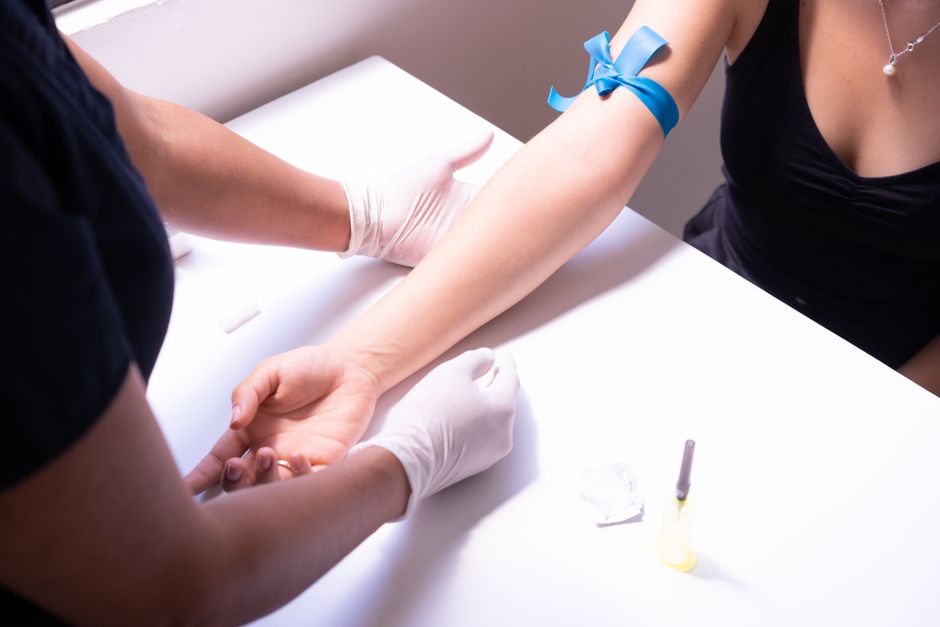
Shingles is caused by the varicella-zoster virus, the same virus that causes chickenpox. Testing for shingles usually starts with a visual exam, but PCR testing is the gold standard when the diagnosis is unclear. A PCR test detects the virus’s genetic material from a skin swab, and blood tests can check for antibodies, though they are less useful for diagnosing an active case.
When Do You Actually Need a Shingles Test?
Most shingles cases are diagnosed by a doctor looking at the rash. The classic signs are a painful, blistering rash on one side of the body. If the rash looks typical, testing is often unnecessary.
Testing becomes important in specific situations. Atypical rashes, rashes that spread beyond one area, or cases in people with weakened immune systems may need laboratory confirmation. Testing is also used when shingles affects the eye or when the pain occurs without a rash, a condition called zoster sine herpete.
If you are pregnant, have a suppressed immune system, or the rash is severe, your doctor may order tests to confirm the diagnosis before starting antiviral treatment.
What Is a PCR Test for Shingles?
PCR stands for polymerase chain reaction. This test detects the DNA of the varicella-zoster virus. It is the most accurate way to confirm a shingles infection.
The test works by taking a swab of fluid from an unroofed blister. The sample is sent to a lab where the genetic material is amplified so the virus can be identified. PCR testing is highly sensitive and specific, meaning it rarely misses an infection and rarely gives false positives.
PCR can also distinguish between varicella-zoster virus and herpes simplex virus, which can cause similar-looking sores. This distinction matters because the treatments are similar but the conditions are different.
Research consistently shows PCR is the preferred method for diagnosing active shingles. It has largely replaced viral culture, which is slower and less sensitive.
How Is the PCR Test Performed?
The procedure is quick and simple. A healthcare provider gently swabs the base of a fresh blister to collect fluid and skin cells. The swab is placed in a sterile container and sent to a laboratory.
For the most accurate result, the swab should be taken from a blister that has not yet crusted over. Older lesions are less likely to yield detectable virus. If no intact blisters remain, a swab of the base of a crusted lesion may still provide a sample, but the sensitivity is lower.
Results typically come back within one to three days, depending on the lab. Some hospitals offer rapid PCR testing that can provide results in a few hours.
There is no special preparation needed. You do not need to fast, and there are no restrictions on eating or drinking before the test.


Can a Blood Test Diagnose Shingles?
Blood tests detect antibodies, not the virus itself. They can show whether you have been exposed to varicella-zoster virus in the past, but they cannot reliably tell you if you have an active shingles infection.
There are two types of antibodies measured: IgM and IgG. IgM antibodies appear shortly after an initial infection, while IgG antibodies indicate past exposure or vaccination. In shingles, IgM levels can rise, but they also rise after reactivation of the virus, and the timing is not predictable.
Some research suggests that antibody testing can help in certain situations, such as when a patient has no rash but has severe nerve pain. However, blood tests are not the primary diagnostic method for shingles. The PCR swab is far more reliable for confirming an active case.
Blood tests have a practical limitation: most adults already have antibodies to varicella-zoster virus because they had chickenpox as a child or received the vaccine. A positive antibody test therefore does not distinguish between a past infection and an active one.
Are There Other Tests for Shingles?
Viral culture is an older method that involves growing the virus from a skin sample in a lab. It is highly specific but takes longer and is less sensitive than PCR. If the virus is present in low amounts, culture may miss it.
Direct fluorescent antibody testing, or DFA, is another technique that uses fluorescent dyes to detect viral proteins in skin scrapings. It is faster than culture but less sensitive than PCR. Many labs have moved away from DFA in favor of PCR.
In rare cases, a biopsy of the affected skin may be examined under a microscope. This is usually reserved for situations where the diagnosis remains unclear after other tests.
For shingles affecting the eye, an ophthalmologist may take a sample of fluid from the front of the eye for PCR testing. This is done carefully to avoid damaging the eye.
How Accurate Are Shingles Tests?
PCR testing is the most accurate method available. Studies have found it detects varicella-zoster virus in over 95 percent of confirmed cases when the sample is taken from a fresh blister.
The accuracy depends heavily on sample quality. A swab taken from a dry, crusted lesion is less likely to contain detectable virus. A swab from a fresh, fluid-filled blister gives the best chance of a correct result.
False negatives can occur if the sample was collected too late in the infection, if the swab did not pick up enough cells, or if the virus was already cleared by the immune system. False positives are rare with PCR but can happen if the sample is contaminated in the lab.
Blood tests are less accurate for diagnosing active shingles. They can produce false positives because most people have antibodies from prior chickenpox exposure. They can also produce false negatives in people with weakened immune systems who do not mount a strong antibody response.
What Do the Results Mean?
A positive PCR result confirms that varicella-zoster virus is present in the skin lesion. This confirms the diagnosis of shingles.
A negative PCR result means the virus was not detected in the sample. This does not completely rule out shingles, especially if the sample was taken from an older lesion. Your doctor will interpret the result in the context of your symptoms and physical exam.
If the PCR test was ordered to distinguish shingles from herpes simplex, the result will indicate which virus, if any, was found. This guides treatment because antiviral medications work for both, but dosing and duration may differ.
A positive blood test for IgG antibodies only tells you that you have been exposed to the virus at some point. It does not mean you have shingles right now. A negative IgG test is more informative because it suggests you have never had chickenpox or the vaccine, which means you are at risk for chickenpox if exposed.
How Long After Symptoms Start Should You Get Tested?
Testing is most accurate early in the course of the illness. The ideal window is within the first three to five days after the rash appears, while blisters are still intact.
After about seven to ten days, the blisters begin to crust over. At this point, viral shedding decreases, and PCR testing becomes less reliable. If you suspect shingles, seek medical attention early.
Antiviral treatment is most effective when started within 72 hours of the rash appearing. Even if testing is not performed, early treatment can reduce pain and shorten the duration of the illness. Waiting for test results should not delay treatment if the clinical picture is clear.
If you have already been prescribed antiviral medication, it will not interfere with the PCR test. The test detects viral DNA, and the medication stops viral replication but does not immediately remove DNA from the lesion.
Can You Test for Shingles Without a Rash?
Shingles without a rash is called zoster sine herpete. It is rare and difficult to diagnose because there is no lesion to swab.
In this situation, a blood test may be the only option. PCR testing of blood is sometimes used, but the virus is not always present in the bloodstream, so the sensitivity is limited.
Doctors may diagnose zoster sine herpete based on symptoms alone, such as localized nerve pain in a dermatomal pattern, especially if the patient has a history of chickenpox. The diagnosis is often made after other causes of nerve pain are ruled out.
Some research suggests that PCR testing of saliva or cerebrospinal fluid can detect the virus in certain cases, but these tests are not routinely available and are not standard practice.
Frequently Asked Questions
Is a PCR test painful?
No, the test involves a gentle swab of the blister surface and takes only a few seconds. You may feel mild discomfort if the area is already tender from the rash.
Can a blood test tell if I have shingles?
Blood tests detect antibodies but cannot reliably confirm an active shingles infection. A PCR swab of a blister is the preferred diagnostic test.
How long do shingles test results take?
PCR results typically come back within one to three days. Some hospital labs offer rapid PCR with results in a few hours.
Can I test for shingles at home?
No reliable at-home test for shingles currently exists. The PCR test requires a laboratory and a properly collected clinical sample.
