
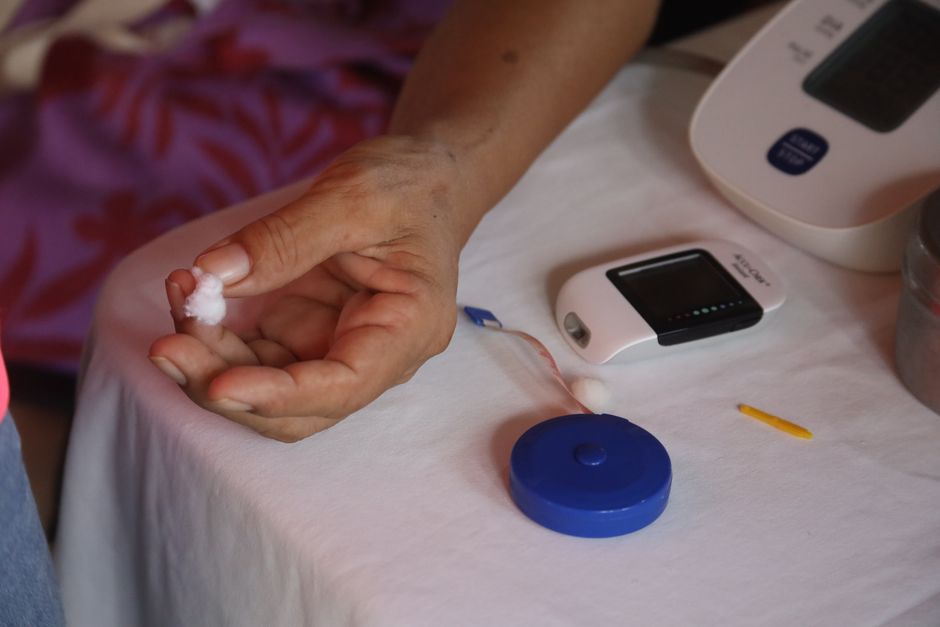
Mononucleosis, often called mono, is a viral infection that can leave you exhausted for weeks. If you suspect you have it, there are specific blood tests your doctor can order to confirm the diagnosis. The most common tests are the Monospot test and a complete blood count (CBC), but the type of test used depends on how long you have been sick.
What Is the Monospot Test?
The Monospot test is a rapid blood test that looks for heterophile antibodies. These are antibodies your immune system produces in response to the Epstein-Barr virus (EBV), which causes most cases of mono. The test is fast and inexpensive, which is why doctors use it first.
Results usually come back within an hour. A positive Monospot test, combined with typical symptoms like a severe sore throat, fever, and swollen lymph nodes, is usually enough to diagnose mono.
However, the Monospot test has a significant limitation. It often comes back negative in the first week of illness because your body has not yet produced enough antibodies. If you test too early, you can get a false negative result even though you have mono.
How Does a CBC Help Diagnose Mono?
A complete blood count (CBC) measures different parts of your blood, including red blood cells, white blood cells, and platelets. In mono, the CBC often shows specific changes that point toward the infection.
The key finding is an elevated white blood cell count, specifically an increase in lymphocytes. Lymphocytes are a type of white blood cell that fights infection. In mono, many of these lymphocytes look unusual under a microscope. Doctors call these cells atypical lymphocytes or Downey cells.
Finding atypical lymphocytes on a blood smear is strong evidence of mono. But this finding alone is not a diagnosis. Other viral infections can also cause atypical lymphocytes, so this test is supportive rather than definitive.
What Is the EBV Antibody Test?
When the Monospot test is negative but symptoms strongly suggest mono, doctors order an EBV antibody panel. This is a more specific blood test that looks for different antibodies your body makes against the Epstein-Barr virus.
Your body produces different antibodies at different stages of infection. The test measures several of them:
- VCA IgM — appears early in infection and usually fades within a few months
- VCA IgG — appears later and stays in your blood for life
- EBNA antibody — appears several weeks or months after infection and also stays for life
The pattern of these antibodies tells your doctor whether you have a current infection, a past infection, or no infection at all. A positive VCA IgM with a negative EBNA antibody indicates an active or recent infection. If VCA IgG is positive but EBNA is also positive, you likely had mono in the past.

When Should You Get Tested for Mono?
Timing matters more than most people realize. If you test within the first few days of symptoms, both the Monospot and the EBV antibody tests can be negative. Your immune system needs time to respond to the virus.
The Monospot test is most reliable during the second and third weeks of illness. By that time, most people have produced enough heterophile antibodies to trigger a positive result. Testing earlier increases the chance of a false negative.
If your symptoms last longer than a few weeks without improvement, testing becomes important. Mono can mimic other conditions, including strep throat, influenza, and even more serious infections. A blood test helps rule these out.
How To Test For Mononucleosis Monospot Cbc And More?
The standard approach starts with a Monospot test and a CBC with a blood smear. If the Monospot is positive and the CBC shows atypical lymphocytes, the diagnosis is confirmed without further testing. This is the most common scenario in clinical practice.
If the Monospot is negative but you have been sick for less than a week, your doctor may repeat the test a few days later. If symptoms continue and the Monospot stays negative, the next step is the EBV antibody panel. This test is highly accurate and can detect mono even when the Monospot fails.
In some cases, doctors also order a throat culture or rapid strep test. This is because strep throat and mono can occur together, and the symptoms overlap. Treating strep with antibiotics does not help mono, but it is important to identify a bacterial co-infection if one exists.
What Do Mono Test Results Mean?
Understanding your results helps you know what to expect. A positive Monospot test means you have heterophile antibodies, which strongly supports a mono diagnosis. You almost certainly have EBV.
A negative Monospot does not rule out mono. If you were tested early in your illness, the result may simply be too soon. If the EBV antibody panel comes back positive for VCA IgM, you have an active infection regardless of the Monospot result.
A normal CBC with no atypical lymphocytes makes mono less likely. But it does not completely rule it out. Some people, especially older adults and those with weaker immune responses, may not show typical blood changes.
Are There Other Tests for Mono?
In rare cases, doctors use polymerase chain reaction (PCR) testing to detect EBV DNA in the blood. This test is highly sensitive and can detect the virus itself rather than antibodies. It is usually reserved for people with weakened immune systems or unusual presentations where antibody testing is unreliable.
PCR testing is not a first-line test for healthy adults and teenagers. It is more expensive and takes longer to process. For most people, the combination of a Monospot test, CBC, and EBV antibody panel provides all the information needed.
Liver function tests are sometimes ordered as well. Mono can cause mild inflammation of the liver, leading to elevated liver enzymes. This finding is common and usually resolves on its own as the infection clears.
What Happens After a Mono Diagnosis?
There is no specific antiviral treatment for mono. The infection runs its course, and recovery takes time. Most people feel significantly better within two to four weeks, but fatigue can linger for several months.
Rest and fluids are the mainstays of recovery. Pain relievers like acetaminophen or ibuprofen can help with fever and sore throat. Avoid giving aspirin to children or teenagers because of the risk of Reye’s syndrome, a rare but serious condition.
If you have mono, avoid contact sports and heavy lifting for at least three to four weeks. Mono can enlarge the spleen, and a blow to the abdomen could cause it to rupture. A ruptured spleen is a medical emergency that requires immediate surgery.
You can return to normal activities when your energy returns and your doctor confirms your spleen is no longer enlarged. This timeline varies from person to person, so follow your doctor’s advice rather than a fixed schedule.
Frequently Asked Questions
How accurate is the Monospot test?
The Monospot test is highly accurate when done during the second or third week of illness, with a low rate of false positives. It is less reliable in the first week, when false negatives are common.
Can mono show up in a regular blood test?
A CBC can show elevated white blood cells and atypical lymphocytes, which strongly suggest mono. However, a CBC alone cannot confirm the diagnosis because other viral infections can cause similar changes.
How long does it take to get mono test results?
A Monospot test and CBC can produce results within a few hours. The EBV antibody panel takes longer, usually one to three days, because it requires more complex laboratory processing.
Can you have mono with a negative Monospot test?
Yes, especially if you test within the first week of symptoms. The EBV antibody panel is the definitive test and can detect mono even when the Monospot is negative.
