
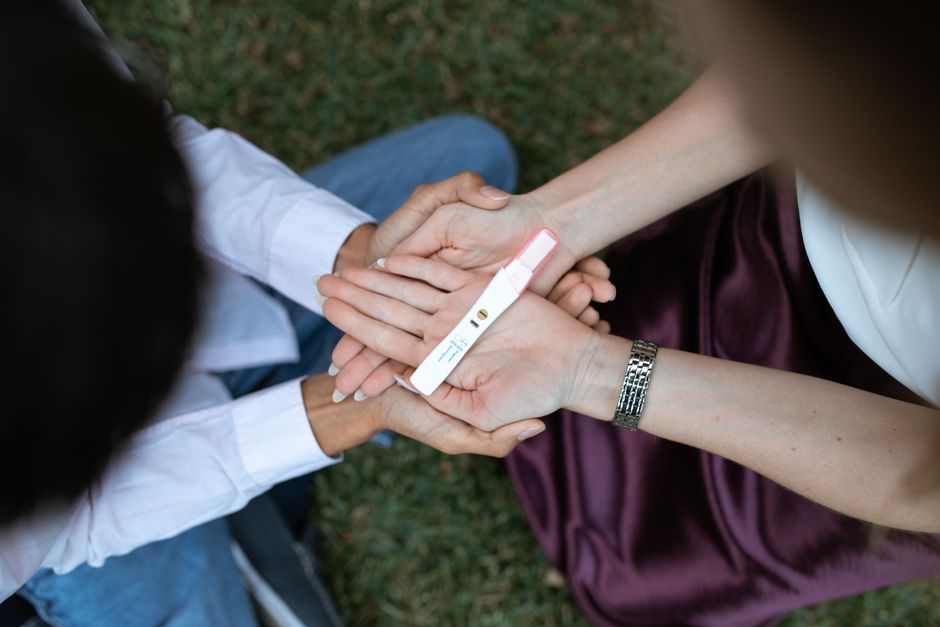
Getting tested for an STD after a possible exposure is one of the most important steps you can take for your health. The timing matters because every infection has a “window period” — the time between exposure and when a test can actually detect the infection. Testing too early can give you a false negative result, which means you could unknowingly pass an infection to someone else. For most common STDs, you should wait at least 1 to 2 weeks after exposure for an accurate test, but some infections require waiting up to 3 months for a completely reliable result. The exact wait time depends on the specific STD, the type of test used, and whether you have symptoms.
What Is the Window Period for STD Testing?
The window period is the time it takes for your body to produce enough of a detectable response — either the virus, bacteria, or antibodies — for a test to find it. Every STD has a different window period. Testing before this window closes can produce a false negative, meaning the test says you are clear when you are actually infected.
Modern tests are highly accurate, but they are only accurate if performed at the right time. Nucleic acid amplification tests (NAATs) detect the genetic material of the infection directly and have shorter window periods than antibody-based tests. Antibody tests require your immune system to have produced enough antibodies, which takes longer.
If you have symptoms like discharge, burning during urination, sores, or a rash, do not wait for the window period to end. See a clinician right away. Symptoms can be evaluated and treated even if a test is not yet reliable.
How Long Should I Wait To Test For An Std by Type
Different STDs require different waiting times. Here is a breakdown of the standard testing windows for the most common infections.
| STD | Window Period | Recommended Test |
|---|---|---|
| Chlamydia and Gonorrhea | 1–2 weeks | Urine test (NAAT) |
| Syphilis | 3–6 weeks (up to 90 days for full certainty) | Blood test |
| HIV (antigen/antibody test) | 2–6 weeks (90 days for conclusive) | Blood test |
| HIV (NAAT) | 10–33 days | Blood test |
| Herpes (HSV) | 2–12 weeks for blood test; swab sores immediately | Swab or blood test |
| Hepatitis B | 4–12 weeks (up to 6 months) | Blood test |
| Hepatitis C | 2–12 weeks (up to 6 months) | Blood test |
| Trichomoniasis | 1–4 weeks | Urine or swab test |
These are general clinical guidelines. Your clinician may recommend a slightly different schedule based on your specific situation, including the type of exposure and any symptoms you have.
Why Testing Too Early Can Give a False Negative
A false negative is when a test says you do not have an infection, but you actually do. This happens because the test cannot find what it is looking for yet. For example, chlamydia and gonorrhea tests look for bacterial DNA. If only a few bacteria are present in the first few days after exposure, the test may miss them. HIV tests that look for antibodies cannot work until your immune system has made enough antibodies, which usually takes several weeks.
False negatives are dangerous for two reasons. First, you may not get the treatment you need. Second, you could unknowingly transmit the infection to a partner. This is why clinicians strongly recommend waiting until the end of the window period before relying on a negative result.
If you test negative but were tested before the window period closed, you need a follow-up test. A single early negative test is not a green light. The only way to be fully certain is to test after the window period has passed.




When Should You Get Tested After a Specific Exposure?
If you had a single known exposure, the safest approach is to get tested at two different times. The first test can be done at the earliest point the test becomes reliable. The second test should be done after the full window period has passed to confirm the first result.
For chlamydia and gonorrhea, a test at 2 weeks after exposure is reliable. For syphilis, wait 6 weeks for a blood test, but retest at 90 days if you want complete certainty. For HIV, a fourth-generation antigen/antibody test is reliable at 6 weeks, but the 90-day mark is considered conclusive by most clinical guidelines.
If you had a high-risk exposure — such as condomless anal or vaginal sex with a partner whose status you do not know — talk to a clinician about post-exposure prophylaxis (PEP) for HIV within 72 hours. PEP is a 28-day course of medication that can prevent HIV infection if started quickly. This is time-sensitive and should not be delayed.
Do Symptoms Change When You Should Get Tested?
Symptoms change the timeline. If you have any symptom that could be an STD — unusual discharge, sores, blisters, itching, pain during sex, or burning during urination — do not wait for a window period. See a clinician immediately. Some infections, like herpes, can be tested by swabbing an active sore directly. That test is highly accurate and does not depend on the window period.
If you have no symptoms, you still need to test. Many STDs are asymptomatic. Chlamydia, gonorrhea, and HIV can all be present without causing any noticeable symptoms. The only way to know your status is to test.
Some people assume that if they feel fine, they are clear. That assumption is not supported by the evidence. Asymptomatic infections are common and are a major reason STDs continue to spread.
What About At-Home STD Tests?
At-home STD tests have become popular and can be convenient. They work by collecting a sample — usually urine, blood from a finger prick, or a swab — and mailing it to a lab. The accuracy of at-home tests depends on the specific test and whether you follow the collection instructions exactly.
At-home tests still follow the same window periods as clinic-based tests. A home test taken too early will produce the same false negative as a clinic test taken too early. The test itself does not change the biology of the infection.
If you use an at-home test and get a positive result, you need to see a clinician for confirmation and treatment. If you get a negative result but tested before the window period ended, you need to retest. If you have symptoms, skip the at-home test and see a clinician directly.
How Often Should You Get Tested?
Routine testing is recommended for sexually active people, even without symptoms. The general guidance is that sexually active people should get tested at least once a year for chlamydia, gonorrhea, and syphilis. People with multiple partners or new partners should test more frequently — often every 3 to 6 months.
Annual HIV testing is recommended for all sexually active adults. People with specific risk factors, such as injection drug use or a partner with HIV, should test more often.
Testing frequency is not a one-size-fits-all decision. Your clinician can help you determine a schedule based on your sexual history and risk factors. Being tested regularly is one of the most effective ways to protect your health and the health of your partners.
Frequently Asked Questions
Can I test for an STD the day after exposure?
No. No STD can be reliably detected the day after exposure. Most infections require at least 1 to 2 weeks before a test can detect them.
How long does it take for chlamydia to show up on a test?
Chlamydia can be detected about 1 to 2 weeks after exposure using a urine test. Testing before this window may produce a false negative.
Is a negative STD test at 4 weeks conclusive?
For chlamydia, gonorrhea, and trichomoniasis, a negative test at 4 weeks is reliable. For HIV and syphilis, a test at 4 weeks is a good sign, but a follow-up test at 90 days is needed for complete certainty.
Do I need to retest after a negative result?
Only if you tested before the window period ended. If you tested at the correct time and have had no new exposures, a negative result is reliable.
