
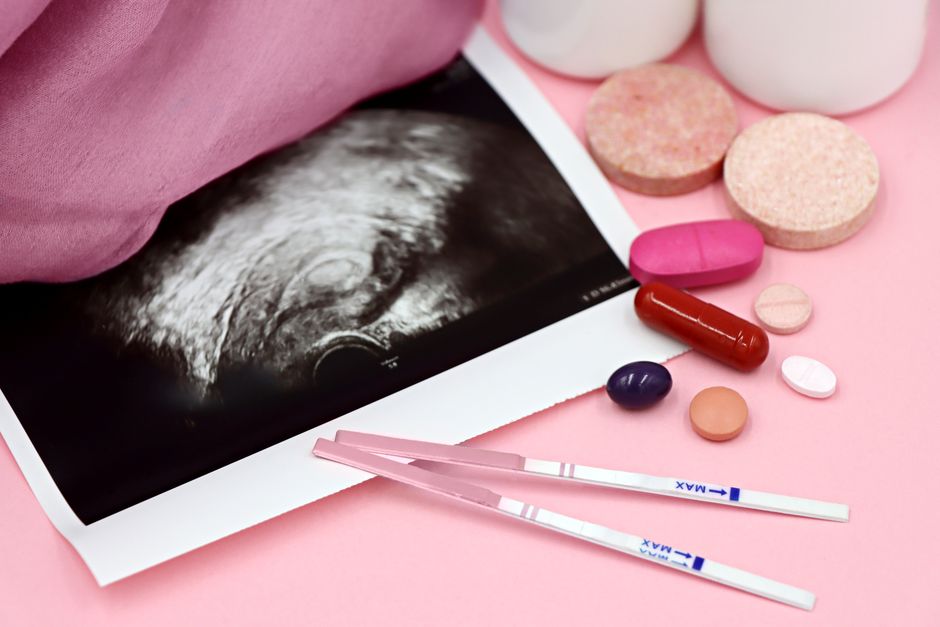
Infertility testing is not one single test. It is a series of evaluations designed to find out why a couple has not conceived after 12 months of regular, unprotected sex. For women, testing usually starts with blood work and an ultrasound. For men, it starts with a semen analysis. These initial tests are straightforward, widely available, and give doctors a clear picture of where to look next.
When Should You Start Testing For Infertility?
Doctors define infertility as the inability to conceive after one year of regular, unprotected intercourse. If you are under 35, that is the standard waiting period before testing begins. If you are 35 or older, the timeline shortens to six months. The reason is simple: female fertility declines with age, and waiting a full year may waste valuable time.
Testing should start sooner in specific situations. Irregular or absent menstrual cycles, known uterine or fallopian tube disease, a history of pelvic surgery, or a partner with known sperm issues all warrant earlier evaluation. The same applies if you have a medical condition like endometriosis, polycystic ovary syndrome, or a history of chemotherapy or radiation.
How Do Doctors Test Male Fertility?
The semen analysis is the cornerstone of male infertility testing. It is simple, non-invasive, and provides a wealth of information. The sample is collected by masturbation into a sterile cup, usually at the clinic or a lab. You should abstain from ejaculation for two to five days before the test to get an accurate sperm count.
The lab evaluates three main things: sperm count, sperm motility, and sperm morphology. Sperm count measures how many sperm are present per milliliter of semen. Motility measures the percentage of sperm that are moving properly. Morphology looks at the shape and structure of the sperm. A normal result does not guarantee fertility, and an abnormal result does not mean you cannot conceive — it just guides the next steps.
If the first semen analysis is abnormal, a second test is usually done one to three months later. Sperm production takes about 74 days, so a single abnormal sample could reflect a temporary issue like illness, stress, or medication.
What Tests Are Used For Female Fertility?
Female fertility testing follows a logical sequence. It starts with confirming ovulation, then checks the structure of the reproductive organs, and finally evaluates the fallopian tubes. Most doctors begin with a combination of blood tests and an ultrasound.
Blood tests measure key hormones. Progesterone is checked about seven days after expected ovulation to confirm it actually happened. Other hormones like follicle-stimulating hormone, luteinizing hormone, and anti-Müllerian hormone give information about ovarian reserve — the quantity of eggs remaining. Thyroid function and prolactin levels are also checked because both can interfere with ovulation.
A transvaginal ultrasound provides images of the uterus and ovaries. It can reveal fibroids, polyps, ovarian cysts, or structural abnormalities that might interfere with conception. The ultrasound can also count antral follicles, small fluid-filled sacs in the ovaries that indicate egg supply.





How Are The Fallopian Tubes Checked?
Blocked fallopian tubes prevent the egg and sperm from meeting. The standard test for this is a hysterosalpingogram, often called an HSG. A doctor injects a contrast dye through the cervix while taking X-ray images. If the dye flows freely through both tubes and spills into the abdominal cavity, the tubes are open.
The HSG takes about 15 to 30 minutes and is done during the first half of the menstrual cycle, before ovulation. Some women find it uncomfortable or mildly painful. The procedure also carries a small risk of infection, which is why doctors sometimes prescribe antibiotics beforehand.
An alternative is a hysterosalpingo-contrast sonography, which uses saline and air bubbles with an ultrasound instead of X-rays. It avoids radiation exposure but requires more skill to interpret. In some cases, a laparoscopy is used to evaluate the tubes and pelvis directly, but this requires general anesthesia and is usually reserved for when other tests suggest a problem or when endometriosis is suspected.
What Additional Tests Might Be Needed?
When initial tests are normal but pregnancy still does not occur, doctors may recommend further evaluation. For men, this can include a hormone panel, genetic testing, or a scrotal ultrasound to check for varicoceles — enlarged veins in the scrotum that can affect sperm production.
For women, additional testing may include a hysteroscopy, which uses a small camera to look inside the uterus directly. This can identify small polyps, scar tissue, or fibroids that a standard ultrasound might miss. Genetic testing may be offered to both partners to check for conditions like cystic fibrosis gene mutations or chromosomal abnormalities.
In about 15 percent of couples, no cause is found even after a full evaluation. This is called unexplained infertility. It is a frustrating diagnosis, but it does not mean treatment cannot work. It simply means the standard tests have not identified a specific problem.
How To Test For Infertility In Men And Women: A Step-By-Step Summary
The process follows a predictable path. Both partners are evaluated, usually at the same time, because male and female factors each contribute to about a third of infertility cases. The remaining third involves both partners or remains unexplained.
For the man, the first step is a semen analysis. For the woman, it is a combination of ovulation testing, hormone blood work, and a pelvic ultrasound. If those are normal, the next step is checking the fallopian tubes with an HSG. Only after these basic tests are complete does a doctor consider more advanced or invasive testing.
Most couples complete the initial evaluation within one to two menstrual cycles. The results give the fertility specialist enough information to recommend a treatment plan, whether that means medication to induce ovulation, intrauterine insemination, in vitro fertilization, or surgery to correct a structural problem.
What Do The Results Actually Mean?
Test results are not pass-fail. A low sperm count does not automatically mean you need IVF. A slightly elevated FSH level does not mean you cannot conceive. Fertility testing identifies risk factors and obstacles, but it cannot predict the future with certainty.
Doctors interpret results in the context of your age, your partner’s age, your medical history, and how long you have been trying. A single abnormal value rarely tells the whole story. The value of testing is that it directs treatment toward the most likely problem, saving time and money while improving the odds of success.
Frequently Asked Questions
Do both partners need to be tested for infertility?
Yes. Male and female factors each cause about one-third of infertility cases, so evaluating both partners at the same time is standard practice and saves time.
How long does infertility testing take?
The initial evaluation for both partners usually takes one to two menstrual cycles. More advanced testing may add additional time depending on the results.
Is infertility testing painful?
Most tests are painless or cause only mild discomfort. The HSG procedure can cause cramping for some women, but it typically lasts only a few minutes.
