
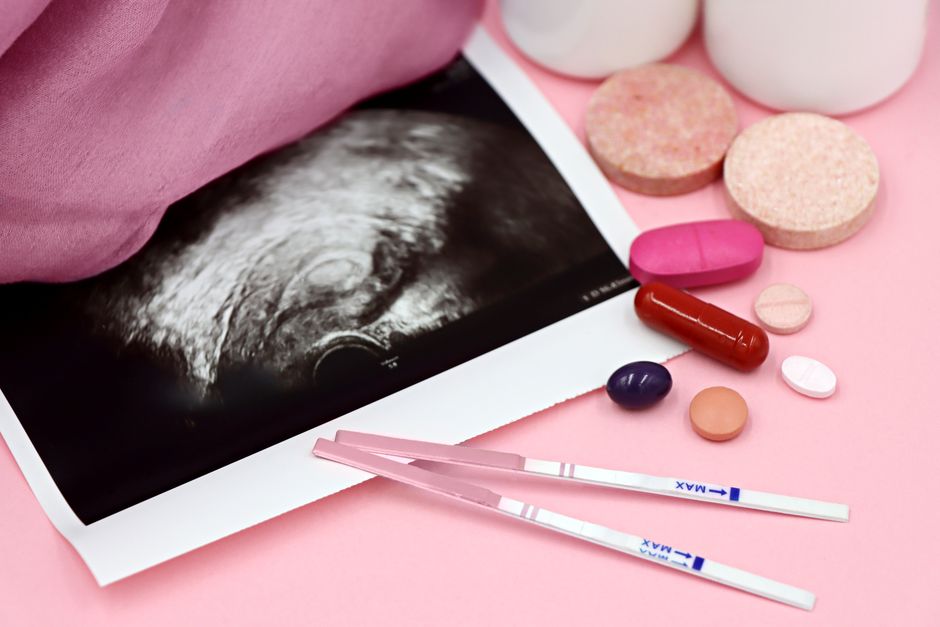
Infertility is defined as the inability to conceive after one year of regular, unprotected intercourse. For women, the most common causes involve problems with ovulation, damage to the fallopian tubes, or issues with the uterus or cervix. Age is also a major factor, as a woman’s egg supply and egg quality naturally decline over time, especially after age 35.
What Causes Infertility In Women Main Factors?
The main factors that cause infertility in women fall into a few clear categories. Ovulation disorders are the most frequent cause, accounting for about 25% to 30% of female infertility cases. These disorders mean the ovaries are not releasing eggs regularly or at all. The second most common category is fallopian tube damage, often from pelvic infections or endometriosis. Uterine conditions, such as fibroids or polyps, and cervical issues are less common but still significant.
Hormonal imbalances are the root of most ovulation problems. Polycystic ovary syndrome, often called PCOS, is the leading cause of ovulatory infertility. Other hormonal issues include thyroid dysfunction and elevated prolactin levels. Premature ovarian insufficiency, where the ovaries stop working before age 40, is another distinct cause.
How Does Age Affect Female Fertility?
Age is the single most powerful factor in female fertility. A woman is born with all the eggs she will ever have, and this supply decreases steadily from birth. The decline becomes steeper in the early 30s and accelerates significantly after age 37.
Egg quality also declines with age. Older eggs are more likely to have chromosomal abnormalities, which raises the risk of miscarriage and reduces the chance of a healthy pregnancy. This is a biological process that no lifestyle change or supplement has been proven to reverse. While fertility treatments can help, the age of the egg is the critical variable, not the age of the uterus.
What Ovulation Disorders Cause Infertility?
Ovulation disorders are the most common cause of female infertility. These conditions prevent the ovaries from releasing a mature egg each month. Without an egg, fertilization cannot occur.
Polycystic ovary syndrome (PCOS) is the most frequent cause. In PCOS, the ovaries produce higher than normal levels of androgens, which disrupt the normal hormonal cycle. This leads to irregular or absent periods. The exact cause of PCOS is not fully understood, but genetics and insulin resistance play a role.
Other ovulation disorders include:
- Hypothalamic dysfunction: Stress, extreme weight loss, or excessive exercise can disrupt the hypothalamus, the brain region that controls ovulation.
- Premature ovarian insufficiency: The ovaries stop functioning before age 40, often due to autoimmune conditions or genetic factors.
- Hyperprolactinemia: Excess prolactin, a hormone that stimulates milk production, can suppress ovulation.




How Do Fallopian Tube Problems Cause Infertility?
The fallopian tubes are the pathway where fertilization occurs. If the tubes are blocked or damaged, the egg and sperm cannot meet. This is called tubal factor infertility and accounts for roughly 25% to 30% of female infertility cases.
Pelvic inflammatory disease is the leading cause of tubal damage. This infection, often from untreated chlamydia or gonorrhea, causes inflammation and scarring inside the tubes. Each episode of pelvic inflammatory disease increases the risk of tubal blockage. Other causes include a previous ectopic pregnancy, prior abdominal or pelvic surgery, and endometriosis.
Sometimes the damage is mild, and the tubes are open but not functioning properly. The tiny hair-like structures inside the tubes, called cilia, may be damaged. These structures normally help move the egg toward the uterus. When they do not work, the egg may not travel properly, even if the tube is open.
What Uterine and Cervical Conditions Affect Fertility?
Uterine conditions can prevent implantation or cause early pregnancy loss. Uterine fibroids are noncancerous growths in the uterine wall. Most fibroids do not affect fertility, but submucosal fibroids, which bulge into the uterine cavity, can interfere with implantation.
Uterine polyps are small overgrowths of the uterine lining. They can act like an intrauterine device, preventing implantation. Removing polyps is a simple outpatient procedure and often restores normal fertility.
Asherman’s syndrome is scar tissue inside the uterine cavity, usually from a prior dilation and curettage procedure. This scarring can prevent implantation entirely.
Cervical issues are far less common. The cervix produces mucus that helps sperm travel to the egg. Some women have cervical stenosis, a narrowing of the cervical opening, often from prior procedures. Rarely, the cervical mucus is hostile to sperm, but this diagnosis is debated among specialists.
What Role Does Endometriosis Play?
Endometriosis is a condition where tissue similar to the uterine lining grows outside the uterus. It affects fertility through several mechanisms. The inflammation it causes can damage the fallopian tubes and ovaries. It can also create adhesions, or scar tissue, that distort the pelvic anatomy.
Even mild endometriosis can reduce fertility, though the exact mechanism is not fully understood. Some research suggests the inflammatory environment in the pelvis may interfere with egg quality, fertilization, or implantation. Endometriosis is found in about 30% to 50% of women with infertility, a rate far higher than in the general population.
Surgical removal of endometriosis lesions can improve fertility in some women. However, the decision to have surgery versus going directly to fertility treatment depends on the severity of symptoms and the woman’s age.
What Lifestyle Factors Influence Female Fertility?
Lifestyle factors can affect fertility, but they are rarely the sole cause of infertility. They matter most when combined with other risk factors.
Weight has a clear effect. Both obesity and being significantly underweight disrupt hormonal balance. Obesity is linked to insulin resistance, which can impair ovulation. Being underweight can suppress the hypothalamic-pituitary axis, stopping ovulation entirely. Even a moderate weight change can restore ovulation in many women.
Smoking accelerates egg loss and damages egg DNA. Women who smoke reach menopause roughly one to four years earlier than nonsmokers. The effect of smoking on fertility is dose-dependent, meaning more cigarettes cause more damage.
Alcohol use in moderation has not been consistently linked to reduced fertility, but heavy drinking is associated with ovulation disorders. Caffeine intake below 200 milligrams per day, about one 12-ounce cup of coffee, has not been shown to affect fertility.
Stress alone does not cause infertility, but it can disrupt ovulation in susceptible women. The relationship is complex, and the evidence that stress management improves fertility outcomes is limited.
When Should a Woman See a Doctor?
The timing for seeking evaluation depends on age. Women under 35 should try to conceive for one year before seeking medical help. Women aged 35 to 40 should seek evaluation after six months of trying. Women over 40 should seek evaluation immediately.
Earlier evaluation is also warranted if a woman has irregular periods, a history of pelvic infections, prior abdominal surgery, or known conditions like endometriosis or PCOS. The basic fertility workup includes a semen analysis for the male partner, confirmation of ovulation through blood tests or cycle tracking, and imaging to check the uterus and fallopian tubes.
Most causes of female infertility are treatable. The options range from ovulation induction medications to intrauterine insemination to in vitro fertilization. The right choice depends on the specific cause, the woman’s age, and how long the couple has been trying.
Frequently Asked Questions
What is the most common cause of female infertility?
Ovulation disorders are the most common cause, led by polycystic ovary syndrome. These conditions prevent the ovaries from releasing eggs regularly.
Can you get pregnant with blocked fallopian tubes?
No, not naturally, because the egg and sperm cannot meet. In vitro fertilization bypasses the tubes entirely and is the standard treatment.
Does age affect a woman’s ability to get pregnant?
Yes, fertility declines steadily with age, with a sharper drop after age 35. Both the number and quality of eggs decrease as a woman gets older.
Can lifestyle changes reverse infertility?
Sometimes, if the cause is weight-related or due to smoking. Reaching a healthy weight or quitting smoking can restore ovulation in some women, but they cannot reverse tubal damage or age-related egg decline.
