
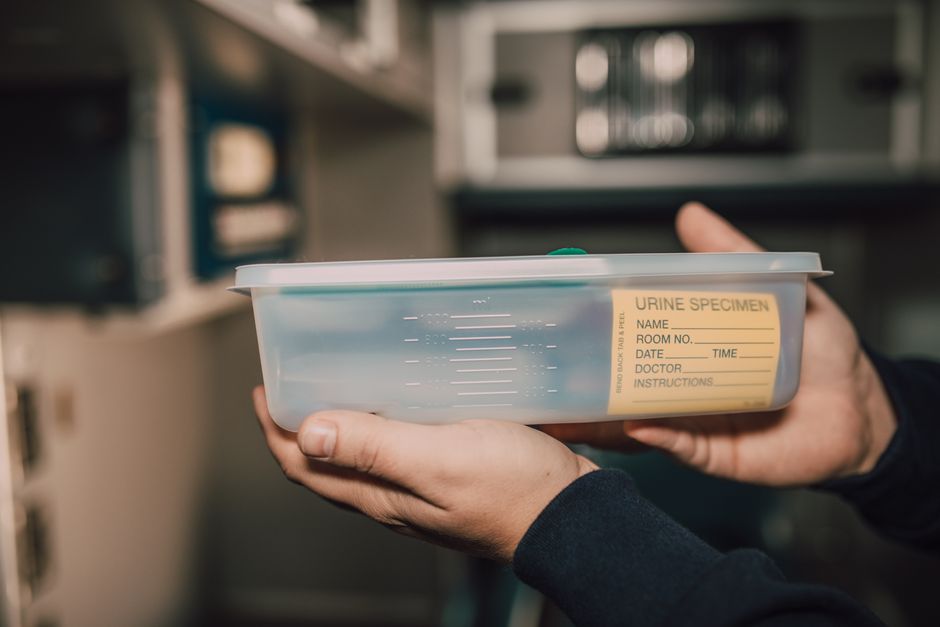
Testing for gonorrhea usually means a urine test or a swab, depending on your sex and symptoms. For men, a urine test is the standard and most accurate method. For women, a vaginal swab (which you can often do yourself) is preferred, though a urine test is also an option. Results typically come back within 2 to 5 days, though some clinics offer rapid tests that can give results in about 90 minutes. The test detects the DNA of the Neisseria gonorrhoeae bacteria, and it is highly accurate when done correctly.
How Does the Urine Test for Gonorrhea Work?
The urine test for gonorrhea is a type of nucleic acid amplification test, often called NAAT. This technology looks for the genetic material of the gonorrhea bacteria. If the bacteria are present in your urinary tract, the test will find their DNA.
You do not need to fast for this test. The main requirement is that you should not urinate for at least 1 to 2 hours before providing the sample. This helps ensure the bacteria are concentrated enough to be detected. You will be asked to provide a “first-catch” urine sample, which means you urinate a small amount into a sterile cup at the very beginning of your stream. You do not need to fill the cup completely; usually about 20 to 30 milliliters is enough.
This test is highly sensitive. Research consistently shows that NAAT urine testing detects over 90% of gonorrhea cases in men. In women, urine NAAT is slightly less sensitive than a vaginal swab, which is why many clinicians prefer the swab for female patients.
How Does the Swab Test Work?
Swab tests for gonorrhea collect a sample directly from the site of infection. The most common sites are the cervix or vagina in women, the urethra in men, and the throat or rectum for anyone who has engaged in oral or anal sex.
A clinician can perform this swab, or you can often do it yourself in a private bathroom at the clinic. For a vaginal swab, you insert a small, soft cotton or flocked swab about one inch into the vagina and rotate it for 10 to 30 seconds. This is generally painless and causes only mild discomfort. For a throat or rectal swab, a clinician will gently rub the swab against the back of the throat or inside the rectum for a few seconds.
The swab is then placed into a transport tube and sent to a laboratory for NAAT testing. Like urine tests, swab results are highly accurate and are considered the gold standard for detecting gonorrhea at these specific sites.
Which Test Should You Get?
The right test depends on your anatomy and your sexual practices. There is no single test that works best for everyone.
- Men with symptoms: A urine test is the standard. It is accurate, non-invasive, and reliable.
- Men who have sex with men: A urine test alone is not enough. Throat and rectal swabs are recommended because gonorrhea frequently infects these sites without causing symptoms.
- Women: A vaginal swab is the preferred method because it detects slightly more infections than urine testing. If you are not comfortable with a speculum exam, you can often do your own swab in private.
- Women who have sex with women: Vaginal swabs are recommended. Urine tests can miss some infections in women.
If you have symptoms like discharge, pain, or burning, tell your clinician. They may decide to swab the affected site directly, even if a urine test is also ordered.


How Long Until Results Come Back?
Most standard NAAT tests take 2 to 5 days to process. This includes the time it takes to transport the sample to a laboratory and run the analysis. Some large commercial labs report results in 1 to 2 days after the sample arrives.
Rapid molecular tests are now available in some clinics. These point-of-care tests can deliver results during your visit, usually within 90 minutes. Not every clinic has these, so call ahead if you need a same-day result.
If your test is positive, the clinic should contact you with treatment options. If your test is negative, you will typically receive a notification through a patient portal or a phone call. A negative result means no gonorrhea bacteria were found in the sample you provided. It does not rule out infection at other sites, such as the throat or rectum, if those were not tested.
How To Test For Gonorrhea Urine Swabs Results: Understanding Accuracy and False Results
NAAT testing is the most accurate method available for gonorrhea detection. When performed correctly, the sensitivity is above 90% for urine samples in men and above 95% for vaginal swabs in women. This means false negatives are uncommon but possible.
A false negative can happen if you urinated less than one hour before the test, which dilutes the bacteria. It can also happen if you used a numbing mouthwash before a throat swab or if the swab did not collect enough cells. If you have symptoms but a negative test, your clinician may recommend a repeat test or a swab from a different site.
False positives are very rare with NAAT technology. If you receive a positive result, it is almost certainly accurate. However, in low-risk populations with no symptoms, some clinicians may recommend a confirmatory test to rule out any laboratory error.
One important note: gonorrhea and chlamydia are often tested together. Both are sexually transmitted bacteria that cause similar symptoms. Your clinician will likely order both tests from the same urine or swab sample. This is standard practice and does not require any additional sample collection.
What Happens After a Positive Result?
A positive gonorrhea test means you have an active bacterial infection. Gonorrhea is curable with antibiotics. The current standard treatment is a single injection of ceftriaxone, often combined with oral doxycycline to cover possible co-infection with chlamydia.
You should avoid all sexual contact for 7 days after treatment, even if you feel better. This prevents you from passing the infection to others. Your partner or partners also need testing and treatment. If they are not treated, you can easily get re-infected.
If you have symptoms like pelvic pain, testicular pain, or fever, seek medical care promptly. These can be signs of complications, such as pelvic inflammatory disease in women or epididymitis in men. Untreated gonorrhea can cause infertility in both sexes, so treatment matters.
Where Can You Get Tested?
Testing is available at public health clinics, Planned Parenthood locations, urgent care centers, and many primary care offices. You do not need a referral. Many clinics offer free or low-cost testing based on your income.
At-home test kits for gonorrhea are also available. These kits involve collecting a urine sample or a vaginal swab at home and mailing it to a laboratory. The accuracy is comparable to clinic-based testing when you follow the instructions carefully. Results are delivered online within a few days. If you test positive, the company will arrange a telehealth consultation and prescribe treatment if appropriate.
If you are uninsured or concerned about cost, your local health department offers confidential testing. You can also search online for “free STD testing near me” to find options in your area. Testing is confidential, and in most states, minors can consent to STD testing without parental approval.
When Should You Get Tested?
Get tested if you have symptoms like unusual discharge, burning during urination, or pain in the genitals. Get tested if you have had unprotected sex with a new partner. Get tested if you know a partner has been diagnosed with an STD.
If you have had oral or anal sex, ask for throat and rectal swabs. Many people assume a urine test covers everything, but it does not. Gonorrhea in the throat or rectum often causes no symptoms and is only detected by swabbing those sites.
Routine screening is recommended for sexually active women under 25 and for older women with risk factors. Men who have sex with men should get tested at least once a year, and more often if they have multiple partners. If you are pregnant, testing is part of routine prenatal care because untreated gonorrhea can be passed to the baby during delivery.
Frequently Asked Questions
Can I test for gonorrhea at home?
Yes, at-home test kits are available and reliable. You collect a urine sample or vaginal swab at home and mail it to a lab, with results delivered online in a few days.
Does a gonorrhea urine test hurt?
No, a urine test is completely painless. You simply urinate into a sterile cup.
Can a urine test miss gonorrhea in the throat?
Yes, a urine test only detects infection in the urinary tract. Throat and rectal infections require separate swabs.
How accurate is a gonorrhea urine test?
Urine NAAT tests detect over 90% of gonorrhea cases in men. Vaginal swabs are slightly more accurate for women.
