
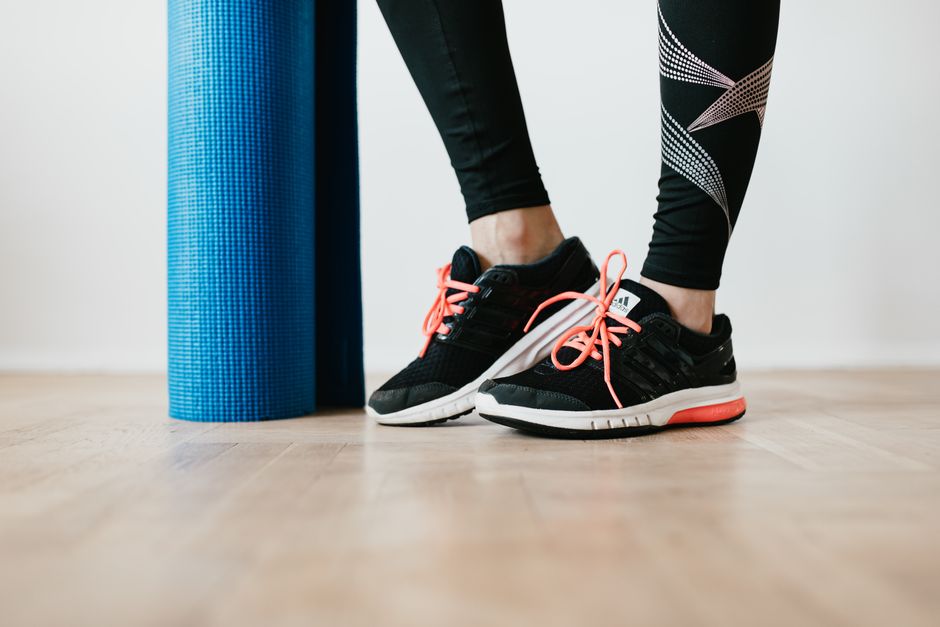
Your feet should not hurt at the end of a normal day, and the simplest test for shoe tightness is this: if you can feel pressure, pinching, or rubbing anywhere while standing still, the shoe is too tight. A shoe that fits allows roughly a thumb’s width of space between your longest toe and the front of the shoe. It also lets you press the leather or mesh down over the widest part of your foot without your toes feeling squeezed.
Most people wear shoes that are too small without realizing it. Feet change shape over time, and shoe sizes are not standardized across brands. The signals of a too-tight shoe are usually obvious once you know what to look for.
How To Tell If Your Shoes Are Too Tight
The clearest sign is pain or numbness that appears while you are wearing the shoes, not just after a long walk. A shoe that fits should feel comfortable from the first step.
Watch for these specific signals:
- Red marks, blisters, or calluses on the toes, heel, or sides of your feet
- Numbness or tingling in your toes that fades after you take the shoes off
- Toenails that turn dark, thicken, or lift from the nail bed
- Pain along the ball of the foot or the arch that improves when you go barefoot
- Toes that feel cramped or overlap each other inside the shoe
- A visible bulge where your foot presses against the upper material
Some of these signs build slowly. A shoe that feels slightly snug in the store may cause real damage over months of daily wear. Toenail changes in particular can take weeks to appear.
Why Do My Shoes Feel Tight Even Though They Are My Size?
Shoe size is a rough starting point, not a guarantee of fit. Two shoes marked the same size can differ by a centimeter or more in length and width depending on the brand and the last shape used to build them.
Your feet also change. They tend to swell during the day and in warm weather. Many people find their feet are measurably larger in the evening than in the morning. Pregnancy, weight gain, and age-related changes to the ligaments in the foot can all increase foot size permanently. A shoe that fit two years ago may genuinely not fit now.
Arch height and foot width matter too. A shoe built for a narrow, high-arched foot will squeeze a wide, flat foot even in the correct length. Width is often the real problem when length seems fine.
What Happens If You Keep Wearing Shoes That Are Too Tight?
Repeated pressure on the foot causes tissue damage that accumulates. Blisters and calluses are the early signs. Over time, chronic pressure can lead to more stubborn problems.
Bunions are a common result. A bunion is a bony bump that forms at the base of the big toe when the joint is pushed out of alignment. Research consistently links narrow, tight footwear to bunion development, though genetics also play a role. Once a bunion forms, it does not reverse on its own.
Hammer toes and claw toes are other structural changes linked to cramped footwear. In these conditions, the toes bend permanently at the middle joint. Nerve compression is another concern. Tight shoes can press on the nerves between the toes, causing sharp pain or numbness that may linger after the shoes come off.
People with diabetes or poor circulation face higher risk. A minor blister or sore from a tight shoe can become a serious wound in someone with reduced sensation or slow healing. For this group, shoe fit is a medical issue, not a comfort preference.




How Should a Shoe Fit?
A well-fitting shoe holds your foot securely without pressing on it. Here is what that looks like in practice.
- There is about a thumb’s width of space between your longest toe and the front of the shoe
- The widest part of the shoe lines up with the widest part of your foot
- Your heel stays in place without slipping when you walk
- You can wiggle your toes freely
- No part of the shoe digs into your skin, even after an hour of wear
Measure your feet at the end of the day, when they are largest. Measure both feet, since one is often slightly bigger. Fit to the larger foot. If you are between sizes, size up rather than down.
Shoe size standards vary by brand and country, so treat the number as a starting point. The fit on your foot is what matters.
Which Foot Problems Are Caused by Tight Shoes?
Several common foot conditions have a documented link to tight or narrow footwear. The relationship is well established for some and less clear for others.
| Condition | Link to tight shoes |
|---|---|
| Bunions | Strong link. Narrow toe boxes push the big toe out of alignment. |
| Corns and calluses | Strong link. Caused by repeated friction and pressure. |
| Ingrown toenails | Strong link. Pressure forces the nail edge into the skin. |
| Hammer toes | Moderate link. Tight shoes can worsen a tendency that is often inherited. |
| Morton’s neuroma | Moderate link. Narrow shoes compress the nerves between the toes. |
| Plantar fasciitis | Weak link. Poor arch support is a more likely factor than tightness alone. |
Genetics, age, and activity level all influence these conditions. Tight shoes are often one contributing factor rather than the sole cause.
When Should You See a Doctor About Tight Shoes?
See a doctor or podiatrist if you have persistent numbness, tingling, or pain in your feet that does not improve after switching to better-fitting shoes. Also seek care if you notice a wound, sore, or ulcer that is not healing.
People with diabetes should have their feet checked regularly and should not ignore any foot injury, however minor it seems. Reduced sensation in the feet means you may not feel a shoe causing damage until a wound has already formed.
Structural changes like bunions or hammer toes are worth discussing with a clinician. Some can be managed with wider shoes, padding, or orthotics. Others may need medical treatment. A doctor can tell you which applies to your situation.
Can You Stretch Shoes That Are Too Tight?
You can stretch some shoes, but the results are limited. Leather and suede stretch more than synthetic materials. Canvas and mesh stretch very little.
A shoe repair shop can stretch a shoe slightly in width or length using a mechanical stretcher. At home, shoe stretchers and stretching sprays are widely sold. These methods can gain a small amount of room, often just a few millimeters. They will not fix a shoe that is fundamentally the wrong size or shape for your foot.
If a shoe causes pain, stretching rarely solves the problem completely. Buying the right size and width is more reliable. For people with specific foot shapes, a podiatrist can recommend shoe types or custom orthotics that address the underlying fit issue.
Frequently Asked Questions
How do I know if my shoes are too tight?
If you feel pressure, pinching, or rubbing while standing or walking, the shoe is too tight. Red marks, blisters, or numb toes after wearing them are clear signs.
Should there be space between my toes and the front of my shoe?
Yes. There should be roughly a thumb’s width of space between your longest toe and the front of the shoe. This allows your foot to move without your toes hitting the front.
Can tight shoes cause permanent damage?
Yes, in some cases. Long-term wear of tight or narrow shoes is linked to bunions, hammer toes, and nerve problems that may not reverse. Early foot pain usually improves once you switch to better-fitting shoes.
Why do my feet hurt even in shoes that used to fit?
Feet change size and shape over time due to age, weight changes, and swelling. A shoe that fit a few years ago may no longer match your current foot size or width.
