
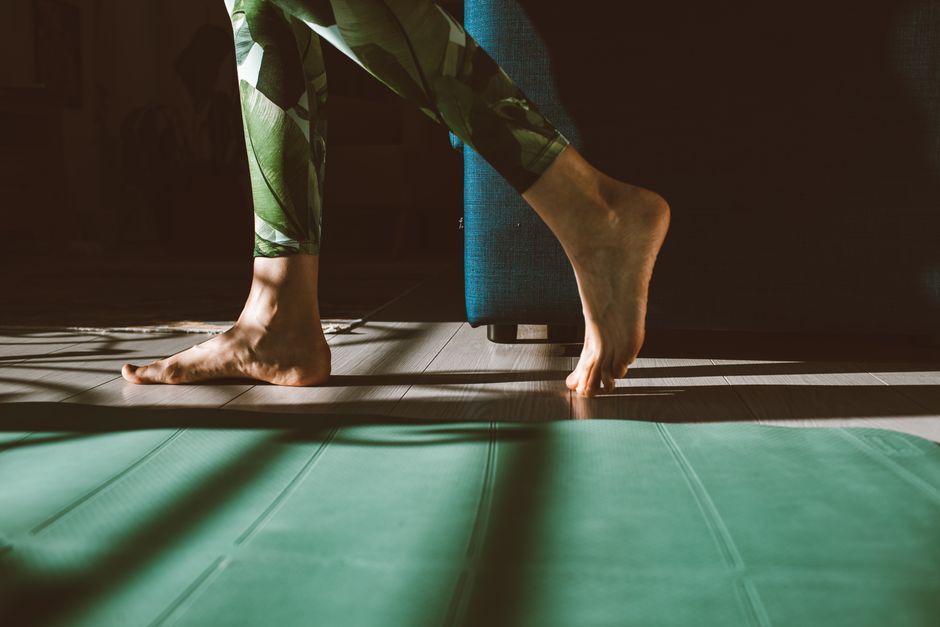
Walking in barefoot shoes causes pain for most people at first. The pain usually comes from using foot and leg muscles that have been underused for years inside cushioned shoes. The key is to transition slowly, starting with short sessions of 10 to 15 minutes a day, and to let your body adapt over several weeks. Your feet need time to build strength, and your calf muscles and Achilles tendons need time to stretch. Rushing this process is the most common cause of injury.
Why Do Barefoot Shoes Hurt at First?
Traditional shoes do more than protect your feet. They provide arch support, a raised heel, and thick cushioning. That support changes how you walk. Your foot muscles do less work, and your calf muscles shorten over time.
Barefoot shoes remove all of that. There is no heel lift, no arch support, and very little cushioning. Your foot must do the work of absorbing impact and stabilizing your body. Your calf muscles suddenly have to stretch further with every step.
This is why the most common pain from barefoot shoes is in the calves and Achilles tendon. The second most common area is the bottom of the foot, where the plantar fascia gets stretched in new ways. Some people also feel soreness in their shins or the small muscles of their feet.
This pain is not a sign that barefoot shoes are bad. It is a sign that your body is adapting to a different way of moving. The question is how fast you adapt. Too fast means injury. Slow and steady means your feet get stronger.
How To Walk In Barefoot Shoes Without Pain
The single most important rule is to start slowly. Do not wear barefoot shoes for a full day of work or a long walk on your first try. Your muscles and tendons need time to adjust.
A practical starting point is 10 to 15 minutes per day. Wear them around the house or for a short walk. Add a few minutes every few days. If you feel sharp pain, stop and take a day off. Mild soreness is normal. Sharp or persistent pain is not.
This transition period typically lasts four to six weeks, but it varies widely. Some people adjust in two weeks. Others need three months. Age, prior injuries, and how much time you spent in cushioned shoes all play a role.
Listen to your body during this period. If your calves are extremely tight the morning after a walk, you did too much. Back off and give your body time to recover before trying again.
Walking Technique Matters More Than You Think
How you step changes how your body absorbs impact. In cushioned shoes, most people land on their heel. The foam absorbs the shock. In barefoot shoes, there is no foam to save you.
Many barefoot shoe guides tell you to switch to a forefoot strike, landing on the ball of your foot first. That advice is partially correct but often oversimplified. A better approach is to take shorter, softer steps and let your foot land more flat.
Think about landing gently. Imagine stepping on a surface that might be fragile. This naturally shortens your stride and reduces impact. Your foot should land closer to your body rather than reaching forward.
Your posture matters too. Stand tall with your head level and your shoulders relaxed. Lean slightly forward from your ankles, not your waist. This positions your body so your feet can push off naturally.
Do not try to change your entire walking style at once. Focus on one thing at a time. First, shorten your stride. Then, work on landing softly. Your body will find its natural rhythm over time.



Strengthening Your Feet and Calves
Your feet contain more than 100 muscles, tendons, and ligaments. Most of them have been idle inside supportive shoes. They need to be retrained.
Simple exercises can speed up this process. One of the most effective is the towel curl. Place a towel on the floor and use your toes to scrunch it toward you. This works the small muscles in your feet.
Another useful exercise is the calf raise. Stand with your feet flat, rise onto your toes, and lower slowly. This strengthens the muscles that support your arch and ankle. Start with 10 repetitions and build up gradually.
Balance work also helps. Stand on one foot for 30 seconds at a time. This trains the stabilizer muscles in your ankle and foot. These muscles are essential for walking safely in barefoot shoes.
Do not do these exercises to the point of pain. Mild fatigue is fine. Sharp pain means you are overdoing it. Consistency matters more than intensity.
Choosing the Right Barefoot Shoe
Not all barefoot shoes are the same. Some have very thin soles, almost like wearing socks. Others have slightly thicker soles that still allow your foot to move naturally. Both are valid. The right choice depends on where you plan to wear them.
For walking on pavement, a slightly thicker sole offers some protection from sharp objects and rough surfaces. For indoor use or grass, a thinner sole gives you more ground feel. Start with a shoe that feels comfortable, not one that looks the most minimal.
Make sure the toe box is wide enough. Your toes should be able to spread out naturally. If your toes feel cramped or squeezed together, the shoe is too narrow. This is a common mistake people make when first buying barefoot shoes.
Your foot should not slide around inside the shoe. The shoe should fit snugly in the heel and midfoot while allowing your toes to move freely. A good fit is essential for safe walking.
Common Mistakes That Cause Pain
The most common mistake is wearing barefoot shoes too much, too soon. People get excited and wear them all day. Their calves and feet are not ready. Pain follows.
Another mistake is ignoring the ground surface. Walking on hard pavement is more demanding than walking on grass or dirt. Start on softer surfaces and gradually add harder ones.
Some people also keep walking in their old walking pattern. They take long strides and land hard on their heels. This creates jarring impact that the body cannot absorb without cushioning.
Finally, many people give up too quickly. They experience normal soreness and assume the shoes are wrong for them. Soreness in the calves during the first few weeks is expected. It usually fades as your body adapts.
If pain persists beyond a few weeks or gets worse, stop wearing the shoes and consider consulting a healthcare provider. Persistent pain can signal an injury that needs professional attention.
When to Expect Full Adaptation
Full adaptation takes time. Most people feel comfortable after six to eight weeks of gradual use. Others take longer. There is no fixed timeline that applies to everyone.
You will know you have adapted when walking in barefoot shoes feels natural. Your stride will be shorter. Your steps will be softer. Your feet will feel stronger. The initial soreness in your calves will be gone.
Some people never fully adapt. That is okay. Barefoot shoes are not for everyone. If you have a history of foot problems, flat feet, or certain medical conditions, you should talk to a doctor before making the switch.
There is no evidence that barefoot shoes prevent injuries or that they are superior to regular shoes for everyone. Research does show that they change how your foot functions, but whether that change is beneficial depends on the individual. Some studies suggest barefoot-style shoes may strengthen foot muscles, while other research finds no clear advantage over well-fitted conventional shoes.
The honest answer is that barefoot shoes work well for some people and not for others. The best approach is to try them gradually, listen to your body, and make your own decision based on how you feel.
Frequently Asked Questions
How long does it take to get used to barefoot shoes?
Most people need four to eight weeks of gradual use to adapt. Some people adjust faster, and others need several months.
Should I run in barefoot shoes right away?
No. Start with walking only, and wait until walking feels comfortable before trying to run. Running increases impact forces and demands even more from your feet and calves.
Can barefoot shoes cause plantar fasciitis?
Transitioning too quickly can strain the plantar fascia and cause pain. Gradual use and proper technique reduce this risk.
Are barefoot shoes safe for people with flat feet?
Some people with flat feet do well in barefoot shoes, but others do not. The evidence is mixed, so it is wise to consult a healthcare provider before switching.
