
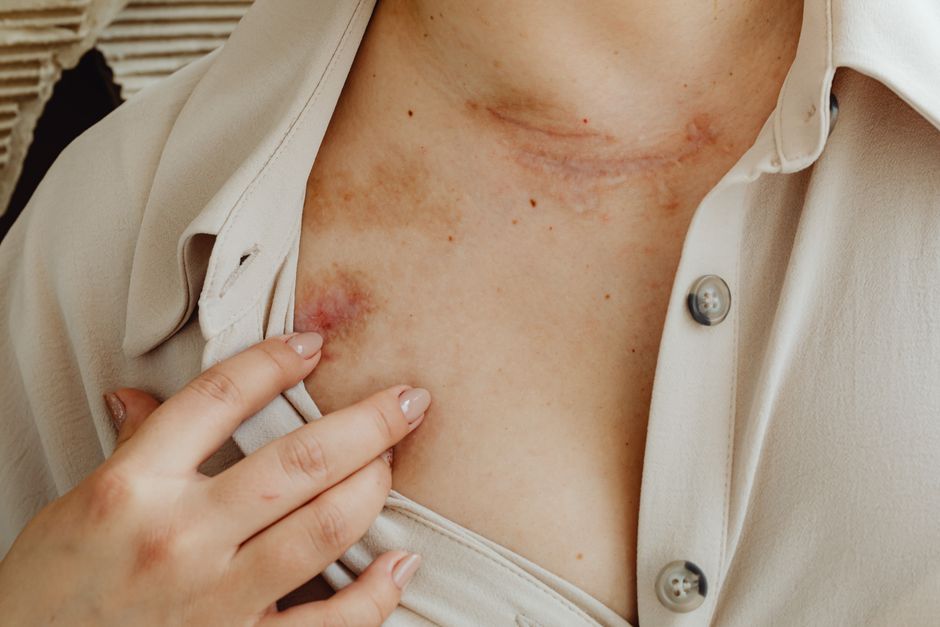
Most wounds heal without any trouble. But some become infected, and the difference matters. A healing wound shows steady progress — less pain, less redness, new tissue forming. An infected wound gets worse instead of better. The clearest signs of infection are spreading redness, increasing pain, warmth, swelling, pus, and sometimes fever. If you see those, it is time to get medical attention. This guide walks through the specific signs of normal healing versus infection, so you know what to watch for and when to act.
What Does Normal Wound Healing Look Like?
Healing is not a single event. It happens in overlapping stages over days and weeks. Understanding what is normal at each stage helps you spot problems early.
Right after an injury, your body forms a clot. That clot dries into a scab. Underneath, white blood cells clear out debris and bacteria. This stage brings redness, swelling, and warmth — but these are expected and usually mild.
Over the next several days, new blood vessels form. Collagen is laid down. New skin starts growing from the edges inward. The wound may look pink or red during this phase. That is healthy tissue, not infection.
In the final weeks, the wound contracts and closes. Scar tissue forms. The area may feel tight or itchy. Some redness can linger for weeks or even months, especially if the wound was deep or large.
A normal healing wound follows a predictable pattern. It gradually improves. Pain lessens. Swelling goes down. The wound edges come together. If you are seeing that pattern, you are likely healing fine.
What Are the Early Signs of an Infection?
Infection happens when bacteria overwhelm the body’s defenses. The immune response kicks in hard, and that response produces visible symptoms. Some signs appear within hours. Others take a day or two.
The most reliable early signs include:
- Increasing pain — pain that gets worse instead of better after the first couple of days
- Spreading redness — redness that expands beyond the wound edge, especially with streaks
- Warmth — the area feels noticeably hotter than the surrounding skin
- Swelling — swelling that increases rather than decreases
- Pus or cloudy drainage — yellow, green, or gray fluid, particularly if it has an odor
- Fever — a body temperature of 100.4°F or higher
Not every infected wound shows all of these. Some show only one or two. But if any of these signs appear and worsen, that is a red flag.
Redness is the trickiest sign to interpret. Some redness is normal. The key is whether it is spreading. Draw a line around the red area with a pen. If the redness moves past that line in a few hours, that is a concern.
How To Tell If A Wound Is Healing Or Infected
Look at the whole picture rather than one symptom. A healing wound has a consistent pattern of improvement. An infected wound deviates from that pattern.
Ask yourself these questions:
- Is the pain better today than yesterday?
- Is the redness staying the same or shrinking?
- Is the drainage clear or slightly pink, rather than thick and colored?
- Is the wound closing or getting smaller?
- Am I free of fever and chills?
If you answered yes to most of these, healing is likely on track. If you answered no to several, or if the wound is actively getting worse, infection is a real possibility.
Time matters too. A wound that shows no improvement after five to seven days deserves attention. A wound that was healing and then suddenly worsens is also concerning. Either scenario warrants a medical evaluation.
Some wounds are at higher risk for infection from the start. Animal bites, puncture wounds, wounds contaminated with dirt or saliva, and wounds in people with diabetes or weakened immune systems all carry higher risk. If your wound fits any of these categories, monitor it more carefully.





When Should You See a Doctor?
Some situations require prompt medical care. Do not wait to see if things improve on their own.
Seek medical attention if you notice any of the following:
- Redness spreading more than a quarter-inch beyond the wound edge
- Red streaks moving up the limb toward the torso
- Fever of 100.4°F or higher
- Pus that is thick, yellow, green, or foul-smelling
- Pain that worsens after the first 48 hours
- A wound that will not stop bleeding
- Numbness or loss of function near the wound
Red streaks are particularly important. They can indicate lymphangitis — an infection spreading through the lymphatic system. That requires urgent medical treatment.
People with diabetes, peripheral artery disease, or a weakened immune system should have a lower threshold for seeking care. What might be a minor infection in a healthy person can become serious quickly in these groups.
If you are unsure, err on the side of caution. An evaluation by a healthcare professional is low-risk. An untreated infection is not.
How Are Infected Wounds Treated?
Treatment depends on the severity of the infection. Mild infections may respond to cleaning and oral antibiotics. More serious infections may require drainage, intravenous antibiotics, or hospitalization.
Your doctor will likely clean the wound thoroughly and may take a sample of the drainage to identify the bacteria. That helps determine which antibiotic will work best.
Do not attempt to treat a suspected infection on your own. Over-the-counter antibiotic ointments treat surface bacteria but cannot handle a deeper infection. Home remedies like soaking in vinegar or applying honey have some evidence for minor wounds, but they are not a substitute for medical care when infection is present.
If you are prescribed antibiotics, take the full course exactly as directed. Stopping early can allow resistant bacteria to survive and the infection to return stronger.
How To Care for a Wound to Prevent Infection
Good wound care reduces the risk of infection. The basics are simple and well established.
Start by washing your hands thoroughly before touching the wound. Clean the wound gently with mild soap and running water. Remove any dirt or debris. Apply a thin layer of antibiotic ointment if you have it, then cover with a sterile bandage.
Change the dressing daily, or more often if it becomes wet or dirty. Wash the wound gently each time. Watch for any change in appearance.
Keep the wound moist but not soaked. A moist environment supports healing. Dry wounds form thick scabs that slow down the process. But trapped moisture can breed bacteria, so change dressings regularly.
Do not pick at scabs. Let them fall off naturally. Picking opens the wound and invites bacteria in.
Eat well and stay hydrated. Your body needs protein, vitamin C, and zinc to build new tissue. Poor nutrition slows healing and increases infection risk.
What About Wounds That Are Slow To Heal?
Some wounds take longer than expected. A slow-healing wound is not necessarily infected, but it deserves attention.
Several factors slow healing. Poor blood flow is a major one. Diabetes, smoking, and peripheral artery disease all reduce circulation to the skin. Without good blood flow, the wound cannot get the oxygen and nutrients it needs.
Infection itself slows healing. So does repeated trauma to the area. If you keep bumping or rubbing the wound, it cannot progress.
Certain medications also affect healing. Steroids, some blood thinners, and immunosuppressants can all delay the process. If you take any of these and have a wound that is not improving, mention it to your doctor.
A wound that shows no measurable improvement after two weeks should be evaluated. A wound that has not closed after four weeks may need specialized care. These are not absolute rules, but they are reasonable benchmarks.
Frequently Asked Questions
Can a wound be infected without turning red?
Yes, especially in people with diabetes or weakened immune systems. Sometimes the only signs are increased pain, delayed healing, or a general feeling of being unwell.
How long does it take for a wound to show signs of infection?
Most infections appear within 24 to 72 hours after the injury. Some can develop later, especially if the wound was contaminated or the person has a weakened immune system.
Is yellow discharge always a sign of infection?
No. A small amount of yellowish fluid called serous exudate can be normal in the early healing phase. Thick, cloudy, foul-smelling, or increasing discharge is more concerning.
Can I treat an infected wound at home?
Mild infections sometimes improve with cleaning and proper dressing changes, but you cannot reliably tell mild from serious at home. If you suspect infection, see a healthcare provider for an evaluation.
Wound healing is mostly straightforward. Your body knows what to do. Your job is to keep the wound clean, watch for changes, and get help when things look wrong. Trust your instincts. If a wound feels off, it probably deserves a professional look.
