
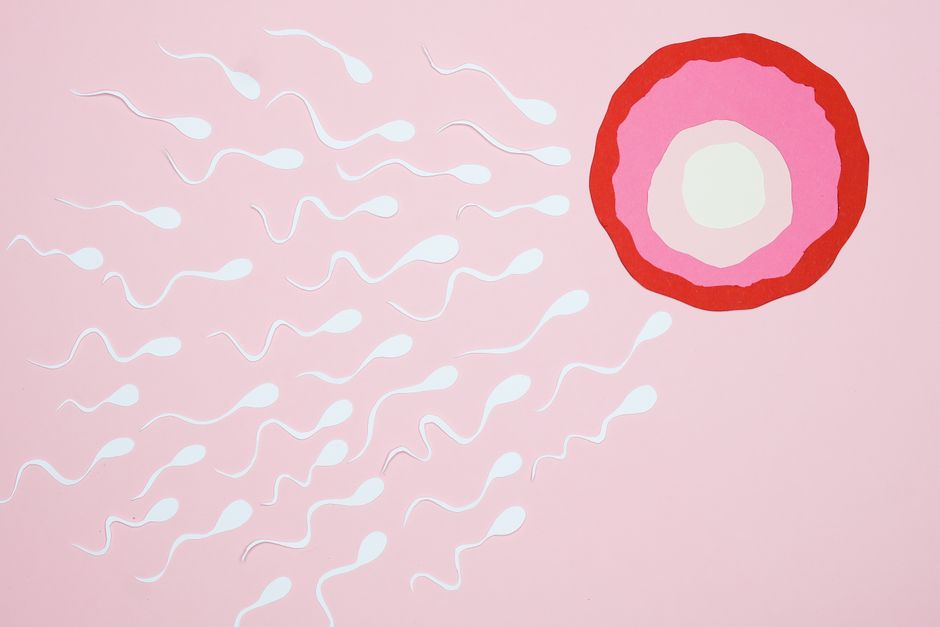
Ovulation is the release of an egg from your ovary, and it usually happens about halfway through your menstrual cycle. Your body gives you clear physical signs when it is happening, and learning to spot them helps you understand your cycle better. The most reliable signs are changes in cervical mucus, a slight rise in basal body temperature, and mild cramping on one side of your lower belly.
What Happens in Your Body During Ovulation?
Each month, hormones prepare an egg to be released. Around day 14 of a typical 28-day cycle, a surge of luteinizing hormone (LH) triggers the ovary to release a mature egg. This event is ovulation.
The egg then travels down the fallopian tube, where it can be fertilized for about 12 to 24 hours. Sperm can survive inside the reproductive tract for up to five days, which is why the fertile window spans about six days each cycle. Understanding when ovulation occurs matters for anyone trying to conceive or avoid pregnancy.
Your body produces these signs because of changing hormone levels. Estrogen rises before ovulation, and progesterone rises after. Each hormone creates distinct physical changes you can observe.
How To Tell If Youre Ovulating Key Body Signs
Your body communicates ovulation through several observable changes. No single sign is perfect, but tracking two or three together gives you a much clearer picture.
The most noticeable sign is cervical mucus. As estrogen rises, mucus becomes clear, slippery, and stretchy — similar to raw egg whites. This consistency helps sperm swim toward the egg. After ovulation, progesterone makes mucus turn thick, cloudy, and sticky again.
Basal body temperature is another reliable sign. Your resting temperature dips slightly just before ovulation, then rises about 0.5 to 1 degree Fahrenheit after ovulation and stays higher until your next period. The rise confirms ovulation already happened, so it is not useful for predicting the exact day but confirms the pattern.
Mittelschmerz is the German word for middle pain. Some women feel a sharp cramp or dull ache on one side of the lower abdomen around ovulation. The pain can last from a few minutes to a few hours. It happens because the ovarian wall stretches as the egg pushes through.
Other secondary signs include breast tenderness, mild bloating, a slightly higher sex drive, and a heightened sense of smell. These are less reliable on their own but can support what other signs are telling you.
How To Track Cervical Mucus Correctly
Checking cervical mucus is simple once you know what to look for. Use clean fingers to wipe the vaginal opening, or check toilet paper after using the bathroom. Look at the color, texture, and stretchiness.
Right after your period, mucus is usually dry or absent. As ovulation approaches, it becomes creamy and white. The most fertile mucus is clear, wet, and stretches between your fingers without breaking. This is often called “egg white cervical mucus” and it signals peak fertility.
Track this daily for at least one full cycle before relying on it. Hormonal birth control, certain medications, and vaginal infections can change mucus appearance, so those factors matter.
Some women have little or no noticeable mucus. That is normal. If you fall into this category, rely more on temperature tracking and ovulation predictor kits.




Basal Body Temperature: How To Measure It Right
Basal body temperature requires consistency. Measure it every morning before you get out of bed, after at least three hours of sleep, using a basal thermometer that shows two decimal places.
Place the thermometer in your mouth, vagina, or rectum. The reading needs to happen at roughly the same time each day. Even 30 minutes of difference can skew the result.
Your temperature stays relatively flat before ovulation. You may see a small dip right before the rise, but not every woman gets this dip. The sustained rise — at least three consecutive days higher than the previous six — confirms ovulation occurred.
Temperature alone cannot predict ovulation in advance. It tells you after the fact. Combined with cervical mucus, however, it gives you a two-part picture that is much more accurate than either sign alone.
Ovulation Predictor Kits and Other Tools
Ovulation predictor kits (OPKs) detect the LH surge in urine. This surge happens 24 to 36 hours before the egg is released, giving you advance notice. These kits are widely available, affordable, and fairly accurate when used correctly.
For best results, test in the afternoon or early evening, not first morning urine. LH surges often begin mid-morning, so testing later in the day catches the rise more reliably. Follow the package instructions exactly.
Fertility monitors that track estrogen and LH in urine are more expensive but provide more detailed information. Some wearable devices track temperature continuously through the night and calculate fertile windows automatically. These tools can be helpful, but they are not necessary for most women.
Saliva ferning microscopes are another option. Estrogen causes dried saliva to form fern-like patterns under magnification. This method is less studied and more subjective than OPKs or temperature tracking.
Ovulation Tracking Apps: What They Can and Cannot Do
Many women use smartphone apps to track their cycles. These apps use algorithms based on your cycle history to predict ovulation dates. They work reasonably well for women with regular cycles.
However, apps only predict based on past patterns. They cannot detect the actual hormonal changes happening in your body right now. A stressful month, illness, travel, or poor sleep can shift ovulation by several days, and the app will not know.
For the most accurate picture, combine app tracking with at least one physical sign. Enter your cervical mucus observations and temperature readings into the app daily. The more data you provide, the better the prediction becomes.
When Ovulation Signs Are Unclear or Absent
Not every cycle produces clear signs. Some women have anovulatory cycles, meaning no egg is released. This can happen occasionally in perfectly healthy women, especially during times of high stress or significant weight changes.
Irregular cycles make ovulation harder to predict. Cycles shorter than 21 days or longer than 35 days may indicate irregular ovulation. Very heavy, painful, or prolonged periods can also signal hormonal imbalances worth discussing with a clinician.
If you have been tracking for several months and never see clear signs, or if your cycles are consistently irregular, consider speaking with a healthcare provider. Conditions like polycystic ovary syndrome (PCOS) and thyroid disorders can disrupt ovulation.
Medical evaluation is especially important if you are under 35 and have been trying to conceive for 12 months without success, or if you are over 35 and trying for six months. Fertility specialists can run blood tests to confirm ovulation and check hormone levels.
Can You Ovulate Without Noticing Any Signs?
Yes. Many women ovulate normally without observing any physical signs. The absence of symptoms does not mean ovulation is not happening.
Some women simply produce less cervical mucus or have a less dramatic temperature shift. Others sleep irregularly, making temperature tracking unreliable. If you have regular periods, ovulation is likely occurring even if you cannot detect it.
Blood tests can confirm ovulation by measuring progesterone levels about seven days after the expected ovulation date. This is called a mid-luteal progesterone test and is the gold standard for confirming ovulation when signs are unclear.
Lifestyle Factors That Affect Ovulation Signs
Sleep quality directly affects basal body temperature readings. Alcohol consumption the night before can raise your temperature. Illness and fever also distort readings significantly.
Stress affects the hypothalamus, the brain region that controls reproductive hormones. High stress can delay ovulation or cause you to skip it entirely in a given cycle. This is why stress management matters for cycle regularity.
Body weight also plays a role. Being significantly underweight or overweight can disrupt hormone production and ovulation. Moderate, consistent exercise supports regular cycles, while extreme training volumes can suppress ovulation.
None of these factors mean you are doing something wrong. They simply explain why signs may vary from month to month.
Frequently Asked Questions
How many days after your period do you ovulate?
In a typical 28-day cycle, ovulation happens around day 14, counting the first day of your period as day 1. For shorter or longer cycles, ovulation usually occurs about 14 days before your next expected period, not 14 days after your period ends.
Can you feel when you ovulate?
Some women feel a mild cramp or twinge on one side of the lower abdomen during ovulation, known as mittelschmerz. Not all women feel this, and its absence does not mean ovulation did not occur.
How long does ovulation last each month?
The egg survives for only 12 to 24 hours after release. However, your fertile window lasts about six days because sperm can survive inside the reproductive tract for up to five days.
What does ovulation discharge look like?
Ovulation discharge is clear, slippery, and stretchy, similar to raw egg whites. This fertile-quality mucus helps sperm travel and usually appears one to two days before ovulation.
