
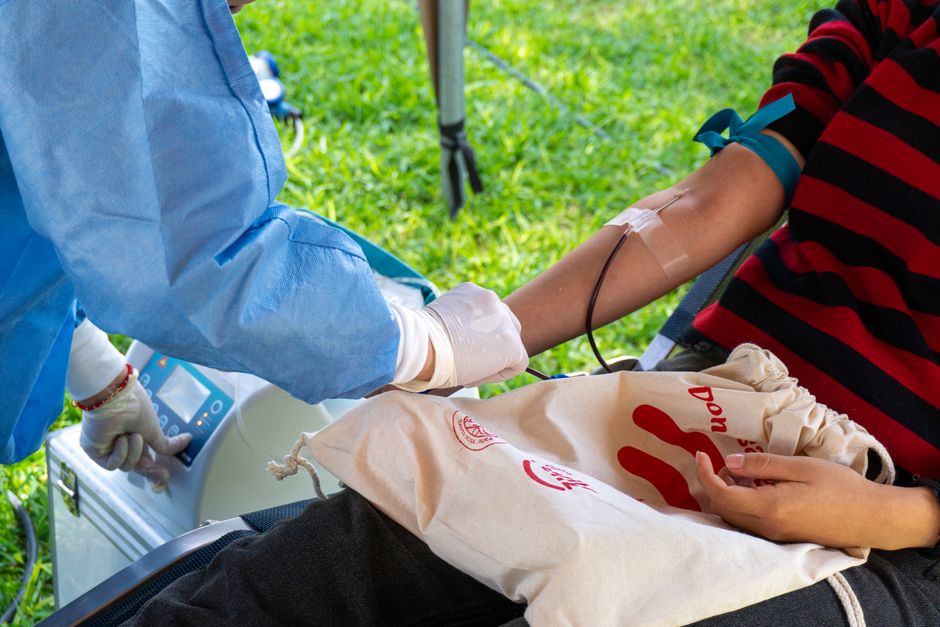
Donating plasma is a way to help people with rare diseases, burn injuries, and immune disorders. It also puts a little money in your pocket. But you cannot just walk in and donate. Plasma centers follow strict rules set by the FDA. To donate, you must meet specific age, weight, health, and lifestyle requirements. The screening process is thorough, and it exists to protect both you and the people who receive your plasma.
What Are the Basic Requirements to Donate Plasma?
Every plasma center in the United States follows the same core rules. These come from the FDA and industry standards. You must be at least 18 years old. Some states allow 16 and 17-year-olds to donate with parental consent, but most centers require you to be 18.
Your weight matters too. You must weigh at least 110 pounds. This is not a random number. The amount of plasma collected is based on your weight. A smaller person cannot safely lose the same volume of fluid as a larger person.
You also need a valid ID. This means a government-issued photo ID, proof of your Social Security number, and proof of your current address. The center needs to confirm who you are and where you live. This is part of the federal tracking system for plasma products.
How To Tell If You’re Eligible To Donate Plasma: The Health Screening
The health screening is where most people get deferred. Before your first donation, you will have a physical exam. A clinician checks your blood pressure, pulse, and temperature. Your blood pressure should be within a normal range, and your temperature should not indicate a fever.
You will also give a blood sample. This sample is tested for infectious diseases including HIV, hepatitis B, hepatitis C, and syphilis. The sample also checks your protein and hemoglobin levels. If your protein is too low, you cannot donate. If your hemoglobin is too low, you cannot donate. These levels matter because plasma carries proteins and oxygen throughout your body.
Your veins must be healthy and accessible. The donation process uses a needle in your arm. If your veins are too small or too damaged from past IV drug use, you may be deferred. The staff will check this during your physical.
What Medical Conditions Disqualify You From Donating Plasma?
Some medical conditions permanently disqualify you. These include hepatitis B, hepatitis C, and HIV. If you test positive for any of these, you cannot donate. The FDA prohibits it because these viruses can be transmitted through plasma.
Autoimmune diseases are more complicated. Conditions like lupus, rheumatoid arthritis, and multiple sclerosis may disqualify you. The concern is that antibodies in your plasma could harm the recipient. Some centers make exceptions based on the specific condition and how well it is controlled. You need to ask your center directly.
Cancer is another factor. If you have had leukemia or lymphoma, you cannot donate. For other cancers, it depends on how long ago you were treated and whether you are considered cancer-free. Most centers require a waiting period of at least 12 months after treatment ends.
Heart disease, lung disease, and uncontrolled diabetes may also disqualify you. The donation process puts stress on your body. If you have a condition that makes that stress dangerous, the center will defer you. The staff reviews each case individually.

Medications and Recent Vaccines That Affect Eligibility
Certain medications make you ineligible to donate plasma. The list is long and specific. Blood thinners like warfarin are a common reason for deferral. Insulin is allowed, but some diabetes medications are not. Accutane, a medication for severe acne, requires a waiting period of one month after your last dose.
Some medications affect your blood or immune system in ways that could harm a recipient. Others simply interfere with the testing process. The plasma center has a complete list of approved and prohibited medications. If you take any prescription medication, tell the screener. Do not assume it is fine.
Recent vaccines may also require a waiting period. Most standard vaccines like flu, COVID-19, and tetanus have no waiting period. But live vaccines like measles, mumps, and rubella (MMR) require a waiting period. The exact time depends on the vaccine and the center’s policy. Ask before you schedule your donation.
Lifestyle Factors: Travel, Tattoos, and Piercings
Travel history matters more than most people expect. If you have spent time in countries where malaria is common, you may need to wait. The waiting period is typically one year after your return. This rule exists because malaria can be transmitted through plasma.
Tattoos and piercings have their own rules. If you got a tattoo in a regulated state facility, you may be able to donate immediately. If the tattoo was done in an unregulated facility, you must wait 12 months. The same rule applies to piercings. The concern is the risk of hepatitis transmission through unsterile equipment.
Sexual history is also part of the screening. The FDA has specific rules about sexual behavior and HIV risk. Men who have sex with men are now eligible after a three-month deferral period from their last sexual contact. New sexual partners and multiple partners may also trigger a deferral period. These rules change over time, so ask the center for their current policy.
How Often Can You Donate Plasma?
You can donate plasma up to twice in any seven-day period. The FDA sets this limit. Between donations, you must wait at least 48 hours. This gives your body time to replace the plasma you lost.
Your body replaces plasma quickly. Most of the fluid is water, and your body restores it within 24 to 48 hours. But the proteins take longer. That is why the frequency limit exists. Donating too often would lower your protein levels and put your health at risk.
Each donation takes about 90 minutes. The actual blood draw takes about 40 minutes. The rest of the time is for the screening, the physical, and the recovery period after donation.
What Happens During the Screening Process?
Your first visit is the longest. Plan for two to three hours. The center will take your medical history, do a physical exam, and draw blood for testing. They will also review the educational materials with you. This is not optional. You must understand the risks and sign a consent form.
Every visit starts with a questionnaire. You will answer questions about your health, medications, and recent activities. The questions change based on new health information and outbreaks. You must answer honestly. Lying about your health history can harm a recipient and can get you permanently deferred.
After the questionnaire, you get a quick health check. This includes your temperature, blood pressure, pulse, and a finger prick to test your protein and hemoglobin levels. If everything looks good, you move to the donation chair.
Frequently Asked Questions
Can I donate plasma if I have high blood pressure?
It depends on how high your blood pressure is and whether it is controlled. Most centers allow donation if your blood pressure is below a certain threshold and you are not on a prohibited medication.
How long does a plasma donation take?
The first visit takes two to three hours because of the physical and screening. Return visits take about 90 minutes from check-in to recovery.
Can I donate plasma if I have a cold or infection?
No. You must be healthy and symptom-free on the day of donation. A fever, cough, or active infection will result in a temporary deferral until you recover.
Will I be paid for donating plasma?
Yes, most plasma centers pay donors. Payment varies by location and frequency of donation. Some centers offer prepaid debit cards while others pay by check.
