

The average adult has about 1.2 to 1.5 gallons of blood in their body. That equals roughly 4.5 to 5.5 liters. The exact amount depends on body size, sex, and overall health.
How Much Blood Does A Person Have In Their Body?
Blood volume is not a fixed number. It changes with age, weight, and even pregnancy. A larger person needs more blood to supply oxygen to their tissues. A smaller person needs less.
For an adult male, the typical range is about 5 to 6 liters. For an adult female, it is usually about 4 to 5 liters. These numbers are estimates. Individual variation is normal.
Children have much less blood. A newborn baby has roughly 300 milliliters, which is just over one cup. A child’s blood volume grows as they do. By the teenage years, it approaches adult levels.
Why Does Blood Volume Matter?
Blood does more than carry oxygen. It transports nutrients, removes waste, fights infection, and helps control body temperature. The body works hard to keep blood volume stable.
When blood volume drops, blood pressure falls. Organs may not get enough oxygen. This is why severe bleeding is dangerous. Losing even 15 to 20 percent of blood volume can cause symptoms like dizziness and weakness.
Losing more than 40 percent of blood volume is life-threatening without immediate medical care. The body cannot replace that much blood quickly on its own.
How Do Doctors Measure Blood Volume?
Doctors rarely measure total blood volume directly. It is not a routine test. Instead, they use blood tests that measure the components of blood, like red blood cells and plasma.
A complete blood count, or CBC, tells doctors how many red blood cells are in a sample. This gives useful information, but it is not the same as total blood volume.
In special cases, doctors can measure blood volume using a tracer method. A small amount of a safe, detectable substance is injected. By seeing how much it dilutes in the bloodstream, they can calculate total volume. This is done for specific medical situations, not routine checkups.




What Makes Up Blood?
Blood is about 55 percent liquid and 45 percent cells. The liquid part is called plasma. Plasma is mostly water, but it also contains proteins, salts, and nutrients.
The cellular part includes red blood cells, white blood cells, and platelets. Red blood cells carry oxygen. White blood cells fight infection. Platelets help blood clot.
Plasma proteins like albumin help keep fluid inside the blood vessels. This balance is important. If protein levels drop, fluid can leak into tissues and cause swelling.
What Happens When Blood Volume Changes?
Dehydration reduces blood volume. When you lose water, plasma volume drops. Blood becomes thicker and harder to pump. This can cause fatigue, dizziness, and a rapid heart rate.
Pregnancy increases blood volume. A pregnant woman’s body produces more blood to support the growing fetus. This increase is normal and necessary. It also means pregnant women can tolerate more blood loss during childbirth.
Certain medical conditions affect blood volume. Kidney disease can cause fluid retention, increasing blood volume. Heart failure can do the same. Anemia, on the other hand, reduces the number of red blood cells, even if total volume stays the same.
How Much Blood Can You Safely Donate?
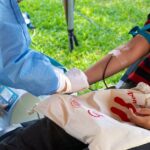
Blood donation is a common way people learn about blood volume. A standard donation takes about one pint, which is roughly 470 milliliters. For most healthy adults, this is safe.
The body replaces the fluid portion within 24 hours. Red blood cells take longer to replenish, usually several weeks. This is why there is a waiting period between donations. Most blood banks require at least 56 days between whole blood donations.
Your body can safely lose about 10 to 15 percent of its blood volume without serious harm. That is about 500 to 750 milliliters for an average adult. This is why a standard blood donation is set at about one pint.
How Fast Can The Body Replace Blood?
The body acts quickly after blood loss. Within hours, it pulls fluid from tissues into the bloodstream to restore plasma volume. This is why you can feel thirsty after donating blood.
Red blood cell production takes longer. The hormone erythropoietin, made by the kidneys, signals the bone marrow to make new red blood cells. Full recovery of red blood cells can take four to six weeks.
This timeline matters for repeat donors. Donating too often can lead to iron deficiency. Iron is essential for making new red blood cells. Many blood banks now test iron levels before allowing donations.
Signs of Low Blood Volume
Low blood volume is called hypovolemia. It can happen from bleeding, severe dehydration, or burns. The symptoms depend on how much blood has been lost.
Mild loss may cause thirst, dry mouth, and slight dizziness. Moderate loss can cause weakness, pale skin, and a faster heart rate. Severe loss leads to confusion, rapid shallow breathing, and loss of consciousness.
If you suspect severe blood loss, call for emergency help immediately. Do not wait to see if symptoms improve. This is a medical emergency.
Does Blood Volume Change With Exercise?
Regular exercise can increase blood volume. Athletes often have higher blood volumes than sedentary people. This is an adaptation that helps deliver more oxygen to working muscles.
Studies show that endurance training can increase plasma volume within weeks. This is one reason athletes have lower resting heart rates. A larger blood volume means the heart does not have to pump as often.
This effect is reversible. If someone stops training, blood volume gradually returns to normal levels. The change is not permanent.
Blood Volume and Medical Emergencies
Trauma is the most common cause of sudden blood loss. Car accidents, falls, and penetrating injuries can cause rapid bleeding. Medical teams are trained to control bleeding and replace lost volume quickly.
In a hospital, blood loss is treated with intravenous fluids and blood transfusions. The type of fluid depends on the situation. Saline solution can restore volume temporarily. Packed red blood cells restore oxygen-carrying capacity.
Blood banks categorize donated blood by type. Matching donor and recipient blood types is critical. Giving the wrong type can trigger a dangerous immune reaction.
Frequently Asked Questions
How many liters of blood are in the average adult body?
The average adult has about 4.5 to 5.5 liters of blood. This equals roughly 1.2 to 1.5 gallons.
How much blood can you lose before it becomes dangerous?
Losing about 15 to 20 percent of blood volume can cause symptoms like dizziness and weakness. Losing more than 40 percent is life-threatening without immediate medical care.
Does a woman have less blood than a man?
Yes, on average women have less blood than men. Adult men typically have 5 to 6 liters, while adult women typically have 4 to 5 liters.
How long does it take to replace blood after donating?
Plasma volume is restored within 24 hours. Red blood cells take four to six weeks to fully replenish.
