

Blood pressure homeostasis is the body’s way of keeping blood pressure stable even as you move, rest, stress, or sleep. It is a continuous, automatic process that relies on fast-acting nervous system signals and slower hormonal adjustments. The goal is simple: keep enough blood flowing to organs like the brain and kidneys without overworking the heart or damaging blood vessels.
What Is Blood Pressure Homeostasis?
Homeostasis means keeping a stable internal environment. For blood pressure, the body defends a normal range rather than a single fixed number. A healthy resting blood pressure is generally around 120/80 mmHg, but the body allows slight fluctuations throughout the day.
Blood pressure rises during exercise or stress and falls during sleep. That is normal. The problem starts when the body cannot correct blood pressure that stays too high or too low. Understanding how the body maintains this balance helps explain why some people develop hypertension and why treatments target specific systems.
The Baroreceptor Reflex: The Body’s Fast Response System
The fastest blood pressure control system is the baroreceptor reflex. Baroreceptors are stretch-sensitive nerve endings located in the walls of the carotid arteries in the neck and the aortic arch near the heart. They detect pressure changes within seconds.
When blood pressure rises, the vessel walls stretch more. Baroreceptors fire more signals to the brainstem. The brain responds by slowing the heart rate and relaxing blood vessels. This lowers blood pressure back toward normal.
When blood pressure drops, the opposite happens. Baroreceptors fire fewer signals. The brain increases heart rate and constricts blood vessels. This raises blood pressure. This reflex works constantly and adjusts moment to moment, which is why you can stand up quickly without fainting in most cases.
The Renin-Angiotensin-Aldosterone System (RAAS)
The RAAS is a slower but powerful hormonal system that controls blood pressure over minutes to days. It becomes especially active when blood pressure falls or when the kidneys detect low blood flow.
When the kidneys sense reduced blood flow, they release an enzyme called renin. Renin starts a chain reaction that produces angiotensin II, a potent molecule that narrows blood vessels. Angiotensin II also triggers the release of aldosterone from the adrenal glands. Aldosterone tells the kidneys to hold onto sodium and water. More fluid in the bloodstream means higher blood volume, which raises blood pressure.
This system is a major target for blood pressure medications. ACE inhibitors and angiotensin receptor blockers work by interrupting this pathway. That is why they are so effective for many people with hypertension.


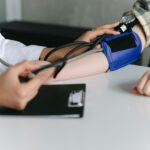
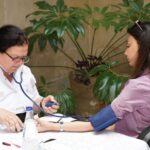

How The Body Maintains Homeostasis Of Blood Pressure Through the Kidneys
The kidneys play the central role in long-term blood pressure control. They regulate blood volume by adjusting how much water and sodium the body keeps or excretes. This is the body’s most powerful mechanism for setting baseline blood pressure over days and weeks.
When blood pressure rises, the kidneys excrete more sodium and water. Blood volume drops. Blood pressure falls. When blood pressure falls, the kidneys retain sodium and water. Blood volume rises. Blood pressure increases.
This pressure-natriuresis relationship is so important that researchers consider the kidneys the dominant long-term controller of blood pressure. If the kidneys cannot excrete sodium properly, blood pressure tends to stay elevated. This is why high sodium intake raises blood pressure in salt-sensitive individuals.
The Role of the Autonomic Nervous System
The autonomic nervous system controls involuntary body functions, including heart rate and vessel tone. It has two branches that work in opposition. The sympathetic nervous system speeds the heart up and narrows blood vessels. The parasympathetic nervous system slows the heart down.
During stress or physical activity, the sympathetic system dominates. Heart rate rises, vessels constrict, and blood pressure increases to deliver more oxygen to muscles. During rest, the parasympathetic system takes over. Heart rate slows and blood pressure settles.
This system responds within seconds. It works alongside the baroreceptor reflex to make rapid adjustments. Chronic overactivation of the sympathetic system is linked to sustained high blood pressure, which is why stress management and regular exercise are recommended for blood pressure control.
Other Hormones That Affect Blood Pressure
Several other hormones influence blood pressure beyond the RAAS. Antidiuretic hormone, also called vasopressin, is released from the pituitary gland when blood pressure drops or blood becomes too concentrated. It causes the kidneys to hold onto water and narrows blood vessels.
Atrial natriuretic peptide works in the opposite direction. When the heart’s upper chambers stretch from high blood volume, they release this hormone. It causes the kidneys to excrete more sodium and water, reducing blood volume and lowering blood pressure.
These hormones act as counterbalances. They help fine-tune blood pressure based on the body’s fluid status. Disruptions in any of these systems can shift blood pressure outside its normal range.
Why Blood Pressure Homeostasis Fails
Blood pressure homeostasis fails when the control systems become overwhelmed or damaged. The most common failure is essential hypertension, where blood pressure stays elevated without a single identifiable cause. Several factors contribute, including genetics, high sodium intake, obesity, and chronic stress.
Over time, high blood pressure damages the very organs that regulate it. The kidneys lose their ability to excrete sodium efficiently. Blood vessels become stiffer and less responsive to relaxing signals. The baroreceptors reset to defend a higher blood pressure. This creates a cycle where hypertension becomes self-sustaining.
Orthostatic hypotension is the opposite problem. Some people, especially older adults, experience a sudden drop in blood pressure when standing. The baroreceptor reflex slows with age, and the body cannot respond quickly enough to the blood pooling in the legs. This causes dizziness or fainting.
How Lifestyle Supports Blood Pressure Regulation
Lifestyle choices directly affect the body’s blood pressure control systems. Regular physical activity strengthens the heart and improves blood vessel flexibility. Exercise also trains the baroreceptor reflex to respond more efficiently.
Reducing sodium intake helps the kidneys maintain a healthy blood volume. The Dietary Approaches to Stop Hypertension diet, commonly called DASH, emphasizes fruits, vegetables, whole grains, and low-fat dairy while limiting sodium. Clinical trials have shown this eating pattern lowers blood pressure in many people.
Maintaining a healthy weight reduces the workload on the heart and lowers sympathetic nervous system activity. Limiting alcohol and managing stress also support blood pressure homeostasis. These measures do not cure hypertension but they reduce the strain on the body’s regulatory systems.
Frequently Asked Questions
What organ is primarily responsible for long-term blood pressure regulation?
The kidneys are the primary long-term regulators of blood pressure. They control blood volume by adjusting how much sodium and water the body retains or excretes.
How quickly does the body respond to a sudden drop in blood pressure?
The baroreceptor reflex responds within seconds. It increases heart rate and constricts blood vessels to restore blood pressure almost immediately.
Can stress permanently change blood pressure homeostasis?
Acute stress raises blood pressure temporarily, but chronic stress can contribute to sustained hypertension. Repeated sympathetic nervous system activation over months and years can damage blood vessels and reset the body’s blood pressure set point higher.
Why does blood pressure naturally rise with age?
Blood vessels become stiffer and less elastic with age. The kidneys also become less efficient at excreting sodium. These changes make it harder for the body to keep blood pressure within a lower range.
