
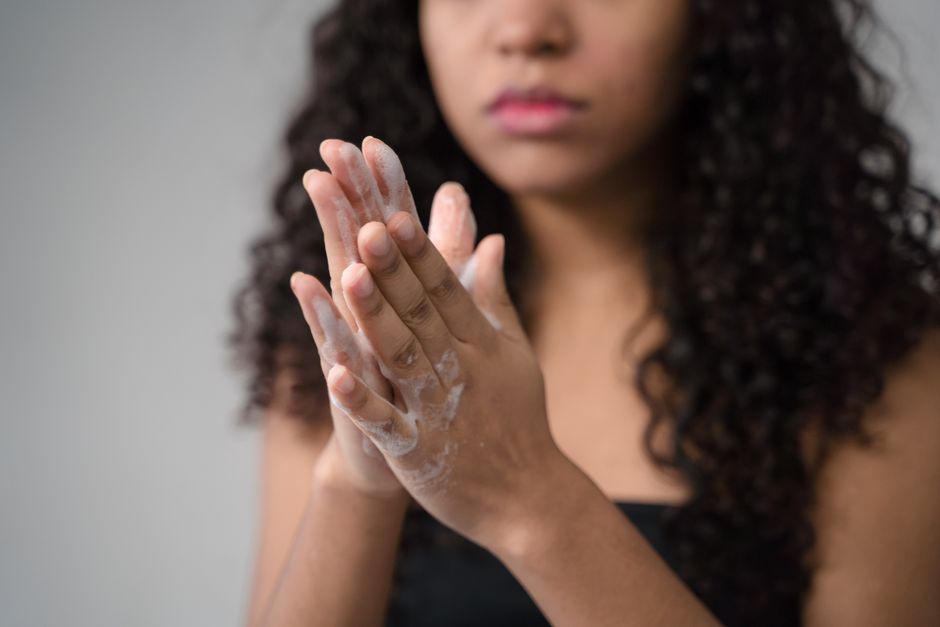
Washing your hands until they crack, bleed, or feel raw is exhausting. The urge feels impossible to ignore, and the skin damage makes it worse. You can reduce the urge and heal your skin, but it takes a specific approach that addresses both the brain and the skin barrier. The key facts are that this behavior often links to obsessive-compulsive disorder, and the treatment combines therapy, sometimes medication, and a strict skin repair routine.
What Is the Connection Between OCD and Hand Washing?
Compulsive hand washing is a common symptom of OCD. The behavior is driven by intrusive thoughts, often about contamination. The person washes to neutralize the anxiety caused by those thoughts.
It is not about being clean. It is about temporary relief from distress. The relief is short-lived, so the cycle repeats. Over time, the brain learns that washing is the only way to feel safe, which strengthens the compulsion.
This is different from a habit or a preference for cleanliness. A habit is automatic. A compulsion is driven by intense anxiety and a feeling that something terrible will happen if you do not perform the action.
Why Does Excessive Washing Damage the Skin?
Your skin has a protective outer layer called the stratum corneum. It acts like a brick wall, keeping moisture in and irritants out. It also contains natural oils and fats that maintain this barrier.
Hot water and soap strip away these natural oils. Frequent washing removes the “mortar” between the “bricks” of skin cells. This weakens the wall.
Once the barrier is broken, water escapes easily. The skin becomes dry, tight, and itchy. It also becomes more vulnerable to irritants and allergens. This is why the skin often becomes red, cracked, and painful. The condition is a form of irritant contact dermatitis.
Cracks in the skin are not just painful. They are open entry points for bacteria. This increases the risk of infection, which is a serious concern for anyone with compulsive washing.
How To Stop Washing Hands So Much OCD And Skin: The Treatment Approach
The most effective treatment for OCD-related hand washing is a type of therapy called Exposure and Response Prevention, or ERP. It is a form of cognitive behavioral therapy.
ERP works by slowly exposing you to the trigger, like touching a doorknob, without allowing the compulsive response, which is washing. Over time, your brain learns that the anxiety will pass without the ritual. The urge gradually loses its power.
This is not about willpower. It is about retraining the brain’s response to fear. A trained therapist guides you through this process at a pace you can manage.
For moderate to severe OCD, medication can help. Selective serotonin reuptake inhibitors, or SSRIs, are the most common class of medication used. They help reduce the intensity of the obsessions and the urge to perform compulsions.
Medication is not a cure. It is a tool that can make therapy more effective. Many people use both together.
Research consistently shows that ERP is the first-line psychological treatment for OCD. Medication is also well-established as an effective treatment. The combination of the two is often recommended for severe cases.



Practical Steps to Manage the Urge
Between therapy sessions, you need practical strategies to manage the urge in daily life. These do not replace treatment, but they help you cope.
First, delay the wash. When the urge hits, wait for 30 seconds before washing. Then wait for a minute. Gradually extend the delay. The urge is like a wave. It peaks and then falls. Waiting helps you learn that you can survive the discomfort.
Second, reduce the intensity of the wash. Use cool or lukewarm water instead of hot. Use a gentle, fragrance-free cleanser. Wash for 10 seconds instead of 30. This reduces the damage while you work on the compulsion itself.
Third, replace the behavior. When you want to wash, squeeze a stress ball or do a breathing exercise. This gives your hands and mind something else to do. It does not fix the compulsion, but it creates a pause where you can make a different choice.
Fourth, keep a log. Write down when you wash, what triggered the urge, and how intense the anxiety felt. Patterns will emerge. You may notice that certain places or situations trigger you more than others. This information helps you and your therapist plan your exposures.
How To Repair Damaged Skin While You Work on OCD
Healing the skin is a separate but essential job. You cannot focus on therapy if your hands are in constant pain. Skin repair requires a consistent routine.
Use a thick ointment, not a lotion. Lotions are mostly water and evaporate quickly. Ointments like petroleum jelly or products containing ceramides trap moisture and create a protective seal over the damaged skin.
Apply the ointment immediately after every hand wash. This is non-negotiable. The best time to lock in moisture is when the skin is still slightly damp.
At night, apply a generous layer of ointment and wear cotton gloves to sleep. This allows the product to work for hours without being washed off. Many people see significant improvement in a few days with this method.
Avoid hand sanitizers when possible. Most contain alcohol, which is extremely drying and irritating to broken skin. If you must use one, choose one that is alcohol-free and contains moisturizers.
If the skin is bleeding, weeping, or shows signs of infection like increased redness, warmth, or pus, see a doctor. You may need a prescription topical steroid to reduce inflammation or an antibiotic to treat an infection.
When To Seek Professional Help
Hand washing that takes up more than an hour a day is a sign that the behavior is interfering with your life. If you feel unable to stop despite wanting to, or if you avoid touching things or people because of contamination fears, it is time to seek help.
Start with your primary care doctor. They can assess your symptoms and refer you to a mental health specialist. You can also search for a therapist who specializes in OCD and ERP.
Do not wait for the skin damage to force the issue. OCD is a chronic condition, but it is highly treatable. The sooner you start treatment, the sooner you can break the cycle.
If you experience thoughts of self-harm or feel completely hopeless, contact a crisis line immediately. These feelings can happen when OCD feels overwhelming, and you do not have to manage it alone.
What Does Not Work
Some common approaches make the problem worse. Trying to “just stop” washing rarely works. The anxiety is too intense, and the failure makes you feel more hopeless.
Replacing the compulsion with a different cleaning behavior, like using wipes or sanitizer, does not solve the underlying OCD. It just moves the problem.
Punishing yourself or asking a partner to yell at you to stop is not effective. Shame and guilt fuel the OCD cycle. They do not break it.
There is no evidence that herbal supplements or special diets cure OCD. Some people find that reducing caffeine helps with general anxiety, but this is not a treatment for the disorder.
Frequently Asked Questions
How do I stop the urge to wash my hands?
Delay the wash for at least 30 seconds and let the anxiety peak and fall on its own. This is a core principle of Exposure and Response Prevention, the most effective therapy for this symptom.
What is the best cream for hands damaged by washing?
Thick ointments containing petroleum jelly or ceramides work best because they seal in moisture and repair the skin barrier. Apply them immediately after every wash and wear cotton gloves overnight.
Can OCD hand washing cause permanent skin damage?
Permanent damage is rare, but chronic skin cracking increases the risk of serious infection. With consistent skin care and treatment for the OCD, the skin can usually heal completely.
Is compulsive hand washing a sign of OCD?
It can be, especially if it is driven by fears of contamination and takes up significant time. A mental health professional can determine if the behavior meets the criteria for OCD.
