
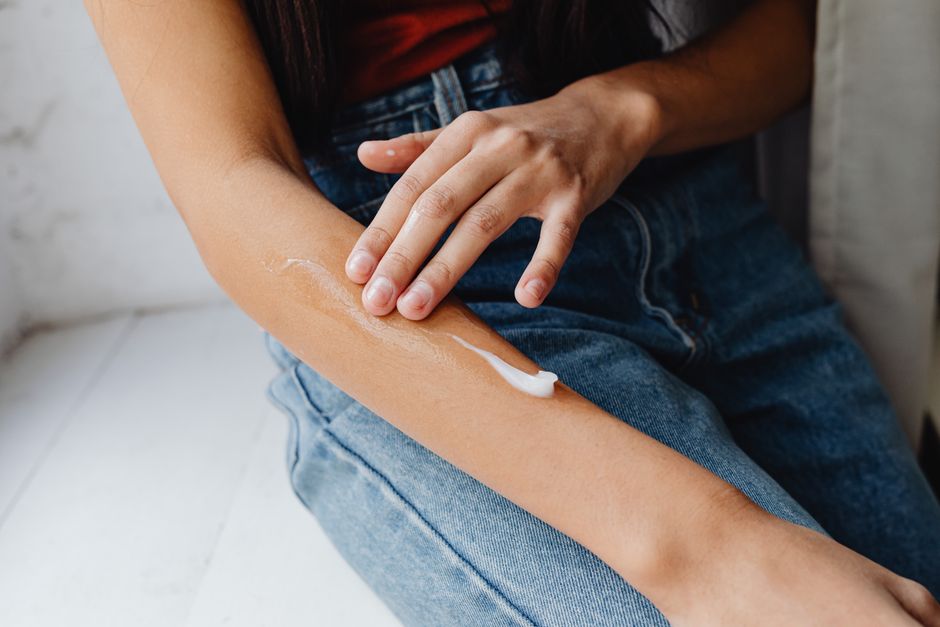
Winter itch is not a skin problem you catch. It is a skin problem you dry out. Cold outdoor air holds less moisture, indoor heating pulls even more out of the room, and the top layer of your skin loses water faster than it can hold on to it. The fix is not one product or one trick. It is a small set of habits that keep water in your skin and stop the itch-scratch cycle before it starts.
Most people who itch every winter can trace it to the same cause: a damaged skin barrier. The outer layer of skin works like a brick wall. Skin cells are the bricks. Fats and oils, called lipids, are the mortar. When that mortar dries out and cracks, moisture escapes and irritants get in. That is what makes skin itch. Rebuild the barrier and the itch usually settles.
Why Does Skin Itch More In Winter?
Air holds less water when it is cold. Step outside in January and the air is dry. Step back inside and the furnace makes it drier still. Relative humidity in a heated home can drop well below the level your skin prefers. Skin loses moisture to the air around it all day and all night.
At the same time, the skin produces less of its own oil. Sebum helps seal in water. Cold reduces blood flow to the skin’s surface, and that changes how the skin’s glands work. The result is a barrier that is thinner and more porous than it was in summer.
Then the small stuff adds up. Hot showers strip oil from the skin. Wool sweaters rub. Soap removes the lipids that hold the barrier together. Each one weakens the wall a little more. By midwinter the barrier is struggling, and the nerves just under the skin are easier to trigger.
This is why winter itch is so common. It is a predictable response to the environment, not a sign that something is wrong with you.
What Is The Difference Between Dry Skin And A Skin Condition?
Dry skin, called xerosis, is a barrier problem. It tends to be diffuse, meaning it shows up over broad areas rather than in one spot. It feels rough and tight. It itches, but the itch is usually mild to moderate and gets better when you moisturize.
Some winter itching is not simple dryness. Eczema, also called atopic dermatitis, causes inflamed, red, intensely itchy patches that can crack, ooze, or thicken over time. It often flares in winter because the same dry air that dries normal skin makes an already compromised barrier worse. Psoriasis produces raised, scaly patches and can also worsen in cold, dry conditions.
Here is the part that matters. You cannot reliably tell these apart on your own, and neither can a description in an article. If your itching is severe, keeps you awake, comes with a rash that is not improving, or does not respond to basic moisturizing, that is a reason to see a clinician. A dermatologist can look at the skin, ask about your history, and figure out what is actually going on.
Some winter itching has nothing to do with the weather at all. Itching can be a side effect of medication or a sign of an internal issue. Itching that is widespread, persistent, or comes with other symptoms deserves a medical evaluation rather than more lotion.
How To Stop Itchy Skin In Winter For Good
The core of it is simple: put water in and keep it there. Everything below works on that principle.
Shorten and cool your showers. Long, hot water feels good and does real damage to a dry barrier. Keep showers short and use lukewarm water, not hot. This single change helps more people than any product they buy.
Moisturize within minutes of getting out. Pat dry and apply moisturizer while the skin is still slightly damp. This traps water on the surface instead of letting it evaporate. The timing matters as much as the product.
Choose the right moisturizer. Thick creams and ointments hold water better than thin lotions. Look for ingredients that both add water and seal it in. Glycerin, hyaluronic acid, and urea attract water. Petrolatum, mineral oil, and dimethicone seal it. Ceramides help replace some of the lipids the barrier is missing. There is no single best brand. The best one is a thick product you will actually use every day.
Change your soap. Harsh soaps and body washes strip the skin. Fragrance-free, gentle cleansers are easier on the barrier. You do not need to scrub hard. You do not need to soap every part of your body every day.
Add moisture to the air. A humidifier can raise the humidity in a room and slow how fast your skin loses water. Keep the unit clean, because a dirty humidifier can spread mold and bacteria into the air. That is a real risk and worth the maintenance.
Dress for the barrier. Wool and rough fabrics irritate skin directly. A soft cotton layer under a wool sweater protects the skin from the scratch. Loose layers beat tight ones.
Do not scratch, if you can help it. Scratching damages the barrier further and triggers more itching. This is the itch-scratch cycle, and it is the reason winter itch can spiral. Keep nails short. Press or pat instead of scratching. Cool compresses can calm the urge.
None of this is exotic. The reason winter itch keeps coming back for so many people is that they do one of these things and skip the rest. Barrier care is a routine, not a rescue.





Which Ingredients Actually Help Dry, Itchy Skin?
Not every ingredient on a label does something. Here is what has a clear role.
- Petrolatum is one of the most effective sealants available. It stops water from escaping the skin and has a long track record for dry and cracked skin.
- Glycerin pulls water into the skin and is found in a huge range of moisturizers because it works.
- Ceramides are lipids naturally present in the skin barrier. Products with ceramides can help replace what dryness removes.
- Urea at low concentrations softens and hydrates. At higher concentrations it can help break down thick, scaly skin, though it can sting on cracked skin.
- Colloidal oatmeal is used for itch and irritation and appears in many products marketed for eczema-prone skin.
- Fragrance and alcohol are common irritants. For dry, reactive skin, fragrance-free is the safer default.
Be careful with products that promise to “heal” or “repair” skin. Most moisturizers support the barrier and reduce water loss. They do not rebuild skin structure. That is still a meaningful job, but it is a different claim than the marketing suggests.
When Should You See A Doctor About Winter Itching?
See a clinician if the itching is severe, lasts more than a couple of weeks despite good skin care, or interferes with sleep. Also seek care if you have a rash that is spreading, blistering, oozing, or looks infected, or if the skin is cracked and bleeding.
See a doctor promptly if itching comes with weight loss, fever, night sweats, or fatigue, or if it is widespread across your body rather than tied to dry patches. Itching without a visible rash can sometimes point to an internal cause, and that needs a proper workup.
For eczema and psoriasis, over-the-counter moisturizers are a foundation, not a full treatment. Prescription options exist and are far more effective for these conditions than anything you can buy off a shelf. If you have been managing a flare with lotion alone and it is not working, that is information worth acting on.
One practical note: some clinicians recommend an oral antihistamine at night for itching that disrupts sleep, but antihistamines are not strongly effective for itch caused by dryness itself. They may help mainly by causing drowsiness. This is a case where common practice and strong evidence do not fully line up, so it is worth asking your clinician whether it makes sense for you.
Can You Prevent Winter Itch Before It Starts?
Yes, and starting early works better than reacting late. Begin your barrier routine when the weather turns cold, before the itching begins. Once the barrier is damaged, you are playing catch-up.
Keep the routine going all season. Moisturize daily even on days your skin feels fine. Run the humidifier before the air gets dry. Switch to gentler cleansers at the start of winter, not after your skin is already angry.
People with eczema or psoriasis often know their triggers. Cold, dry air is a common one. Getting ahead of a flare with consistent moisturizing and any prescribed treatment is more effective than waiting for it to fully develop.
If you do all of this and the itch still will not quit, that is not a failure of willpower. It is a signal that something more than dryness may be involved, and it is worth getting checked.
Frequently Asked Questions
Why does my skin itch more in winter?
Cold air holds less moisture, and indoor heating dries the air further, so your skin loses water faster than it can replace it. That weakens the skin barrier and makes itch nerves easier to trigger.
What is the fastest way to stop itchy skin in winter?
Take shorter, lukewarm showers and apply a thick moisturizer within a few minutes of patting dry while skin is still damp. This traps water in the skin and is the single most effective step for most people.
Does a humidifier help with winter itch?
It can. Raising indoor humidity slows how fast your skin loses water to the air. Keep the humidifier clean, because a dirty unit can release mold and bacteria into the room.
When should I see a doctor for winter itching?
See a clinician if itching is severe, lasts more than a couple of weeks despite good skin care, disrupts sleep, or comes with a spreading rash or other symptoms. Itching without a visible rash can sometimes signal an internal cause.
