
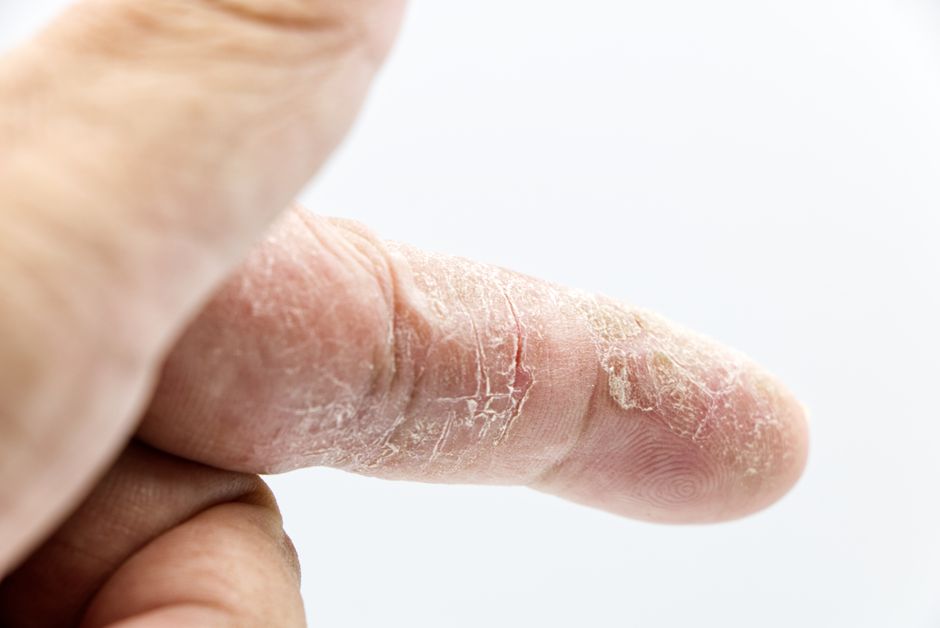
You cannot stop sunburned skin from peeling once the damage is done. Peeling is the final stage of your skin’s repair process, and it happens because the top layer of damaged skin has to come off. What you can do is manage it safely, avoid making it worse, and know when a burn needs medical attention.
Most peeling starts a few days after the burn and can last about a week. The goal is not to halt it. The goal is to let it finish without infection, scarring, or a second burn on fragile new skin underneath.
Why Does Sunburned Skin Peel?
Sunburn is a radiation injury. Ultraviolet B (UVB) light damages the DNA in your skin cells, and the body responds with inflammation, which is why a burn feels hot, tight, and sore.
When the damage is severe enough, those injured cells are programmed to die. This is a controlled self-destruct called apoptosis. The body then replaces them from the deeper layers. The dead cells on the surface separate and flake away. That is peeling.
This is why no cream stops it. The peeling is the cleanup. A product that claims to “stop peeling” is describing something it cannot do.
How much you peel depends on how deep the burn went. A mild burn may flake lightly or not at all. A more serious one peels in sheets. Fair skin and skin that has not been exposed in a while tends to burn faster.
What Should You Do While Your Skin Is Peeling?
Keep the peeling skin moisturized and leave it alone. Dry skin cracks, and cracks are where infection can start.
Use a plain, fragrance-free moisturizer. Ointments and thick creams hold water in better than thin lotions. Apply it while skin is still slightly damp after a cool shower to trap moisture. Reapply several times a day.
Cool showers and cool compresses ease the tight, itchy feeling. Avoid hot water, which strips oils and dries skin further.
Do not pick, pull, or rub the peeling skin. Pulling off skin that is not ready to come off can tear the new layer underneath, which is raw and tender. That raises the risk of infection and can lead to scarring.
If flakes are catching on clothing, trim them carefully with clean small scissors rather than tugging them. Keep your nails short so scratching in your sleep does less damage.
Drink water. A burn pulls fluid to the surface and out of your body, and staying hydrated supports healing. There is no single amount that is right for everyone; drink to thirst and watch for dark urine as a rough sign you need more.
What Should You Put on Peeling Skin?
Simple, gentle products work best. The skin under a healing burn is more sensitive than normal skin, so less is more.
- Fragrance-free moisturizing cream or ointment
- Petrolatum (petroleum jelly) to seal in moisture
- Cool compresses for comfort
- An over-the-counter oral antihistamine for itch, if your clinician says it is appropriate for you
Be careful with topical pain relievers that contain benzocaine or similar numbing ingredients. These can irritate healing skin and, in some people, cause an allergic reaction. Some clinicians advise against them on damaged skin.
Skip anything with alcohol, fragrance, exfoliating acids, or retinoids. These sting and delay healing. Also skip scrubs and loofahs. They physically strip skin that is trying to come off on its own schedule.
There is no strong evidence that special “burn repair” creams do more than a basic moisturizer. What matters is keeping the skin moist and protected.


Should You Let It Peel or Pick It Off?
Let it peel on its own. Picking speeds up nothing and risks real harm.
When you pull off skin before it is ready, you expose the new layer beneath. That layer is thin, pink, and easily damaged. It can bleed, become infected, and heal with a scar. Picking also tends to spread the peeling to areas that were not ready to shed.
If a large flap of dead skin is hanging and uncomfortable, you can trim the loose edge with clean scissors. Leave anything still attached in place.
When Is a Sunburn Serious Enough to See a Doctor?
Most sunburns heal at home. Some need medical care. Get help if you notice any of the following:
- Blisters covering a large area of your body
- Fever, chills, or feeling generally unwell
- Severe pain that is not controlled by over-the-counter pain relief
- Signs of infection in peeling or blistered skin: spreading redness, warmth, swelling, pus, or a bad smell
- Dizziness, confusion, rapid heartbeat, or reduced urination, which can signal dehydration
- Fainting or signs of heat illness
A sunburn that blisters over a large portion of the body is treated as a burn injury, not just a bad day at the beach. In serious cases, fluid loss and infection risk become the main concerns.
For pain, over-the-counter options such as ibuprofen or acetaminophen are commonly used. Follow the label directions. If you take other medications or have health conditions, check with a pharmacist or clinician first.
How Do You Protect Peeling Skin From the Sun?
New skin under a peeling burn is fragile and burns easily. Cover it.
Stay out of direct sun while you are healing. Wear loose clothing over the area. If you must be outside, use a broad-spectrum sunscreen with an SPF of 30 or higher on any exposed skin, and reapply every two hours or after swimming or sweating.
Be aware that sunscreen on raw or broken skin can sting. On those areas, cover up with clothing instead.
This matters more than it might seem. Getting burned again while your skin is still repairing adds new damage on top of the old. Repeated sunburns over a lifetime raise the risk of skin cancer, including melanoma. That link is well established.
One point worth knowing: a tan is not a sign of healthy skin. It is your skin making more pigment in response to DNA damage. There is no such thing as a safe tan from UV exposure.
How Long Does Peeling Last, and What Helps Recovery?
Peeling usually begins a few days after the burn and can continue for about a week. Healing time depends on how deep the burn went.
During recovery, the priorities are simple:
- Keep skin moisturized and protected
- Do not pick or scrub
- Stay hydrated
- Avoid more sun exposure
- Watch for signs of infection
There is no cream, supplement, or home remedy proven to speed up peeling. It runs its course. Your job is to support the skin and prevent problems while it does.
If peeling lasts much longer than expected, or the area looks infected or is not improving, see a clinician. That is a sign something else may be going on.
What Makes Peeling Worse?
Several common habits set back healing. Avoiding them matters as much as using the right products.
Scrubbing or exfoliating removes skin that is not ready to go and irritates the new layer. Hot showers dry and tighten skin. Alcohol-based products sting and strip moisture. Picking at flakes tears tissue. And getting sun on the healing area can cause a fresh burn on skin that has no defense yet.
Itch during peeling is normal and often the hardest part. Cool compresses and moisturizer help. If itch is severe, ask a pharmacist or clinician about an oral antihistamine and whether it is safe for you.
Frequently Asked Questions
How do I stop my sunburn from peeling?
You cannot stop it once the burn has happened, because peeling is part of how your skin removes damaged cells. You can only keep the skin moisturized and avoid picking so it heals cleanly.
Should I peel the dead skin off my sunburn?
No. Let it come off on its own, because pulling skin that is not ready can tear the new layer underneath and raise the risk of infection and scarring.
How long does sunburn peeling last?
Peeling usually starts a few days after the burn and can last about a week. It may take longer if the burn was deep or blistered.
What should I put on peeling sunburned skin?
A plain, fragrance-free moisturizer or petroleum jelly works well, applied several times a day. Avoid alcohol, fragrance, exfoliating acids, and numbing ingredients like benzocaine.
