
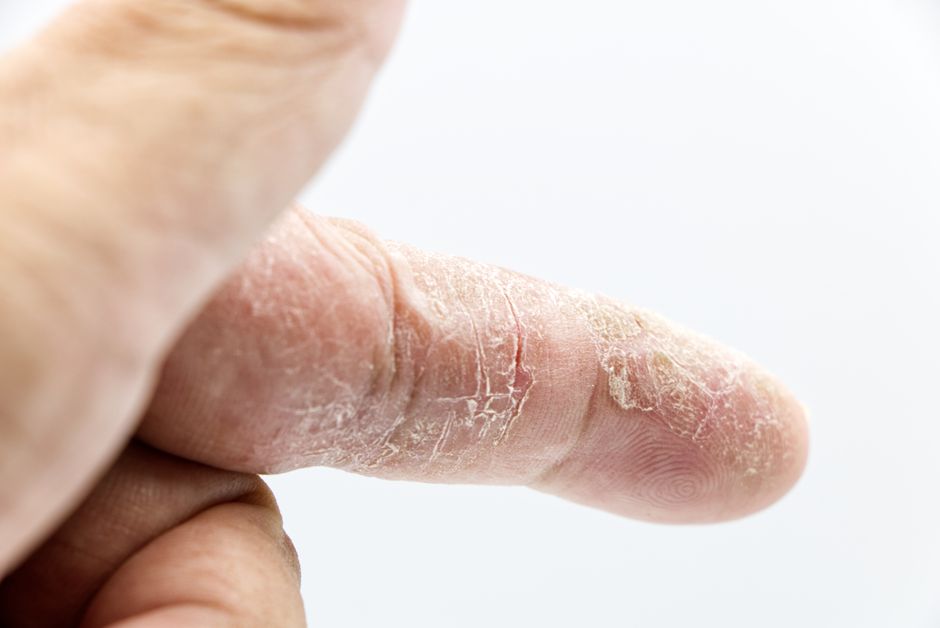
You cannot stop skin from peeling once the process has started. Peeling is the final stage of a sunburn or UV injury, and it happens because damaged skin cells are being shed. What you can do is manage the symptoms, protect the healing skin underneath, and avoid making the damage worse.
The best approach is gentle care: keep the area moisturized, stay hydrated, avoid picking or pulling at the peeling skin, and protect it from further sun exposure. If you are peeling after a tanning bed session or outdoor sun exposure, the underlying cause is the same — your skin was damaged by ultraviolet radiation, and peeling is part of how it repairs itself.
Why Does Skin Peel After Tanning?
Peeling after tanning happens because ultraviolet radiation damages skin cells, and the body sheds those damaged cells to make way for new ones.
When UV radiation penetrates the skin, it damages DNA in the cells of the epidermis — the outer layer. The body responds with inflammation, which you experience as redness, warmth, and pain. If the damage is severe enough, the affected cells undergo programmed cell death, a process called apoptosis. The skin then peels as those dead cells slough off.
This is important to understand: peeling is not a sign that your tan is “flaking off.” It is a sign that your skin was injured. A tan itself is a response to DNA damage — the darkening comes from increased melanin production as your skin tries to shield itself from further harm. When the damage exceeds what melanin can protect against, you burn, and peeling follows.
Tanning beds emit UV radiation that can be more intense than midday sun in some cases. The peeling process after a tanning bed burn is biologically identical to peeling after a sunburn.
What Should You Do While Your Skin Is Peeling?
Gentle skin care is the priority while peeling is underway. Your goal is to support the healing process without causing further irritation.
- Moisturize regularly. A thick, fragrance-free moisturizer or ointment helps reduce tightness and itching. Petrolatum-based products are among the most effective at locking in moisture. Apply while skin is still slightly damp after a lukewarm shower.
- Drink water. Sunburn draws fluid to the skin’s surface and away from the rest of the body. Staying hydrated supports recovery, though it will not stop peeling.
- Take cool or lukewarm showers. Hot water strips oils and worsens dryness. Avoid harsh soaps, scrubs, and exfoliants.
- Do not pick or pull at peeling skin. Pulling skin that is not ready to come off can tear the healthy layer beneath and increase the risk of infection or scarring.
- Use a cool compress. A soft cloth dampened with cool water can ease discomfort and itching.
- Consider an over-the-counter pain reliever if needed. For significant discomfort, some clinicians suggest ibuprofen or acetaminophen. Follow the label directions. Do not give aspirin to children or teenagers recovering from a sunburn.
If the peeling is mild and you feel otherwise well, these steps are usually enough. The peeling will run its course over several days to a week or more, depending on how severe the burn was.
What Should You Avoid While Peeling?
Certain habits will make peeling worse or slow down healing. Avoiding them matters as much as doing the right things.
- Do not exfoliate. Scrubs, loofahs, and chemical exfoliants irritate skin that is already compromised.
- Do not use products with alcohol, fragrance, or acids. These can sting and cause further irritation on damaged skin.
- Do not shave over peeling areas. A razor can remove skin that is not ready to shed and cause nicks or infection.
- Do not expose the area to more UV radiation. This includes tanning beds and direct sun. Healing skin is more vulnerable to further damage.
- Do not apply ice directly to the skin. Ice can cause cold burns on already damaged tissue. Use cool compresses instead.
- Do not pop blisters. Blisters are a sign of a second-degree burn. They form a protective barrier. If a blister breaks on its own, clean the area gently with mild soap and water, apply a sterile bandage, and watch for signs of infection.

When Is Peeling After Tanning a Medical Concern?
Most peeling after tanning resolves on its own. But some situations need medical attention.
Seek care from a healthcare provider if you experience any of the following:
- Signs of infection in the peeling or blistered area — increasing redness, swelling, warmth, pus, or a foul odor
- Fever, chills, headache, confusion, or nausea
- Large blisters covering a significant portion of your body
- Severe pain that is not relieved by over-the-counter pain medication
- Peeling that continues for more than a few weeks or keeps returning
- Dizziness or fainting
Severe sunburn can be a medical emergency, particularly if it covers a large area of the body. It can cause dehydration, electrolyte imbalances, and in serious cases, infection. Do not hesitate to seek care if you are unsure.
Can You Prevent Peeling After Tanning?
You can reduce the risk of peeling by preventing the burn in the first place. Once a burn has occurred, peeling is generally unavoidable if the damage was significant.
The most effective prevention is limiting UV exposure. That means:
- Using a broad-spectrum sunscreen with an SPF of 30 or higher, reapplied every two hours and after swimming or sweating
- Seeking shade during peak sun hours, generally 10 a.m. to 4 p.m.
- Wearing protective clothing, hats, and sunglasses
- Avoiding tanning beds entirely — they deliver concentrated UV radiation and are associated with an increased risk of skin cancer
There is no safe way to get a tan from UV exposure. A “base tan” does not protect you from further damage; it is itself evidence of skin injury. If you want the look of a tan without the risk, self-tanning products that use dihydroxyacetone (DHA) darken the skin’s surface without UV radiation. They do not cause peeling from UV damage, though they can fade unevenly.
Does Moisturizing Actually Stop Peeling?
Moisturizing does not stop peeling. It can make the process more comfortable and support the skin barrier while it heals.
Peeling is an active biological process. The skin is shedding cells that were damaged by UV radiation. No topical product can reverse that. What moisturizers do is reduce water loss from the skin, ease tightness and itching, and help the remaining healthy skin stay flexible.
Some people find that aloe vera gel soothes the skin. Evidence for aloe in burn healing is mixed — some studies suggest it may help with minor burns, but results vary and it is not a substitute for medical care in serious cases. If you use aloe, choose a pure product without added alcohol or fragrance.
Products marketed as “peeling stoppers” or “tan extenders” have no established evidence supporting those claims. No study has confirmed that any topical product can halt the peeling process once it has begun.
How Long Does Peeling Last?
Peeling typically begins a few days after the burn and can last for several days to a week or more. The timeline depends on how severe the burn was.
A mild sunburn may cause light flaking that resolves within a few days. A more severe burn with blisters can lead to peeling that lasts longer and may leave the skin sensitive for weeks. The new skin underneath is often pink or lighter in color and may be more sensitive to sun for some time.
During this recovery period, continue to moisturize and protect the area from sun exposure. The new skin is more vulnerable to UV damage and can burn more easily than the surrounding skin.
What About Peeling After a Spray Tan or Self-Tanner?
Peeling after a spray tan or self-tanner is not caused by skin damage. It is the product itself fading and flaking off.
Spray tans and self-tanners work by interacting with the top layer of dead skin cells. As those cells naturally shed, the color fades. This process can look like peeling, but it is not a burn. You can manage it by moisturizing regularly and exfoliating gently before your next application to create a more even fade.
If you are peeling after a spray tan and you also spent time in the sun or a tanning bed, the peeling could be from UV damage rather than the product. Pay attention to whether you have other signs of a burn, such as redness, warmth, or pain.
Does Drinking Water or Eating Certain Foods Help?
Staying hydrated supports overall skin health, but no food or drink will stop peeling once it has started.
Good nutrition matters for skin repair over time. Adequate protein, vitamin C, and zinc are involved in wound healing. But eating a specific food or drinking extra water after a burn will not accelerate the peeling process or prevent it. The damage is already done at the cellular level.
That said, dehydration can make skin feel tighter and more uncomfortable. Drinking enough water is a reasonable part of general recovery, especially after a sunburn, which can draw fluid to the skin’s surface.
Frequently Asked Questions
How do you stop skin from peeling after tanning?
You cannot stop peeling once it has started because it is part of the skin’s repair process after UV damage. You can manage it by moisturizing regularly, avoiding picking or exfoliating, and protecting the area from further sun exposure.
How long does peeling last after a sunburn or tanning bed burn?
Peeling usually begins a few days after the burn and can last from several days to a week or longer, depending on severity. More severe burns with blisters tend to peel for longer.
Should you pull off peeling skin after tanning?
No. Pulling at peeling skin can tear healthy skin underneath and raise the risk of infection or scarring. Let it shed on its own and keep the area moisturized.
When should you see a doctor for peeling skin after tanning?
See a doctor if you have signs of infection, fever, chills, large blisters, severe pain, or peeling that lasts more than a few weeks. Severe sunburn can be a medical emergency.
