
Psoriasis itching can feel like it has a mind of its own. The good news is that it is not something you have to simply endure. The most effective way to stop psoriasis itching is to calm the underlying inflammation with consistent treatment, keep the skin barrier moisturized, and avoid the specific triggers that set off the itch-scratch cycle. For scalp psoriasis, medicated shampoos and topical solutions are the first line of defense.
Why Does Psoriasis Itch So Much?
Psoriasis is an immune-mediated condition. The immune system mistakenly attacks healthy skin cells, which speeds up the life cycle of those cells. Instead of shedding quietly over weeks, skin cells pile up on the surface in days. That buildup creates the thick, scaly plaques most people recognize.
The itch itself comes from inflammation. Immune chemicals released in the skin, including certain cytokines, directly stimulate nerve endings. This is why psoriasis is now understood as more than a skin condition — it involves the nervous system and immune system talking to each other.
One detail many people do not realize: roughly 70 to 90 percent of people with psoriasis report itching, according to dermatology research. For a long time, medical texts described psoriasis as non-itchy. That was wrong. Itch is now recognized as one of the most burdensome symptoms of the condition.
Scratching makes everything worse. It damages the skin barrier, triggers more inflammation, and can cause new plaques to form in areas that were previously clear. This is known as the Koebner phenomenon. Breaking the itch-scratch cycle is a central goal of treatment.
How To Stop Psoriasis Itching On The Skin
Prescription topical treatments are the foundation for most people with limited skin involvement. Corticosteroid creams reduce inflammation and itch relatively quickly. Vitamin D analog creams such as calcipotriene slow down rapid skin cell growth. Many dermatologists combine the two for better results than either alone.
For more widespread plaques, phototherapy with narrowband ultraviolet B is an established option. It requires consistent sessions under medical supervision. Oral or biologic medications are used for moderate to severe disease and can significantly reduce itch by targeting specific immune pathways.
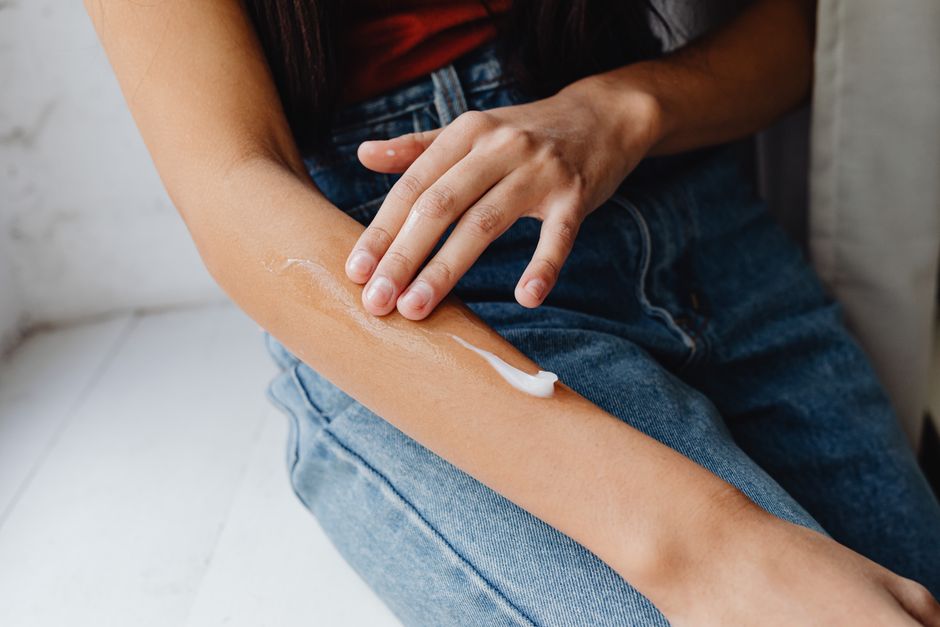
Moisturizing is not optional. It is treatment. Dry skin itches more, and psoriasis plaques have a compromised barrier that loses water faster than normal skin. Thick ointments and creams that seal in moisture work better than thin lotions. Applying moisturizer within a few minutes of bathing helps trap water in the skin.
Practical steps that help:
- Apply prescription topicals exactly as directed — skipping doses allows inflammation to return.
- Use fragrance-free, thick moisturizers at least twice daily and after every shower.
- Take lukewarm showers, not hot. Hot water strips oils and worsens itch.
- Pat skin dry instead of rubbing.
- Keep nails short to limit damage from nighttime scratching.
- Use a cool compress on itchy areas instead of scratching.
Over-the-counter anti-itch creams containing menthol or camphor can provide temporary relief by distracting nerve signals. They do not treat the inflammation underneath. Hydrocortisone available without a prescription is generally too weak for psoriasis plaques and is not a substitute for proper treatment.
How To Stop Scalp Psoriasis Itching
Scalp psoriasis affects roughly half of people with the condition. It causes flaking that is often mistaken for severe dandruff, along with itching that can be intense. The scales tend to be thicker and more silvery than dandruff, and they often extend beyond the hairline onto the forehead, neck, or behind the ears.
Medicated shampoos are usually the starting point. Those containing coal tar, salicylic acid, or ketoconazole are commonly recommended. Each works differently. Coal tar slows rapid skin cell turnover. Salicylic acid helps lift scales. Ketoconazole targets yeast that can worsen scalp inflammation.
Prescription steroid solutions, foams, and oils are often needed for scalp psoriasis because hair makes cream application difficult. These formulations reach the scalp more effectively. Some dermatologists also use vitamin D analog solutions on the scalp.
A few things make scalp treatment work better:
- Apply medicated shampoo and leave it on the scalp for the time directed on the label before rinsing.
- Use a fine-tooth comb or soft brush to gently remove loosened scales after treatment — never pick at them.
- Avoid scratching the scalp with fingernails, which can break the skin and lead to infection.
- Skip harsh hair products, dyes, and tight hairstyles that irritate the scalp.
- Rotate shampoos if one stops working, since the scalp can adapt over time.
Scalp psoriasis can be stubborn and often requires a combination of treatments. It is not a hygiene problem. It cannot be spread to other people. Washing more aggressively does not clear it and usually makes irritation worse.



What Triggers Psoriasis Flare-Ups And Itching?
Many people can identify specific things that set off a flare. Common triggers include stress, skin injury, infections such as strep throat, certain medications, cold dry weather, and smoking or heavy alcohol use. Identifying your own triggers takes some observation, but the patterns are often clear.
Stress deserves special mention. It is one of the most frequently reported triggers and also one of the hardest to control. Stress does not cause psoriasis, but it can worsen existing disease. This creates a frustrating loop — itching causes stress, and stress increases itching.
Certain medications are known to worsen psoriasis in some people. These include lithium, some antimalarial drugs, and certain blood pressure medications. If you notice a flare after starting a new medication, talk to your prescribing doctor. Do not stop any medication on your own.
Weather matters too. Cold, dry air pulls moisture from the skin. Many people notice worsening in winter and improvement in summer, partly from natural sunlight exposure. Indoor heating makes dryness worse. A humidifier can help.
Does Diet Or Lifestyle Help Psoriasis Itching?
No specific diet has been proven to cure psoriasis or eliminate itching. That said, some evidence suggests certain patterns may help. Research points toward Mediterranean-style eating and weight reduction in people who are overweight as potentially beneficial for reducing psoriasis severity. The evidence is not strong enough to call diet a treatment.
What is better established is the link between psoriasis and other health conditions. People with psoriasis have higher rates of cardiovascular disease, type 2 diabetes, and metabolic syndrome. Managing these risks through standard medical care matters for overall health, even if it does not directly stop itching.
Alcohol and smoking are both associated with more severe psoriasis. Reducing or stopping these habits is reasonable advice for anyone, and some studies suggest it may help skin symptoms as well.
Be cautious with supplements marketed for psoriasis. Most lack solid evidence. Some, like high-dose vitamin D, can be harmful if taken without medical guidance. Talk to your doctor before starting anything.
When Should You See A Doctor About Psoriasis Itching?
See a dermatologist if itching is interfering with sleep, daily activities, or your mental health. Psoriasis is linked to higher rates of depression and anxiety, and chronic itch is a significant contributor. This is a medical issue, not a personal weakness.
Also seek care if your skin shows signs of infection — increased redness, warmth, swelling, pus, or fever. Scratching can open the skin to bacteria. If plaques suddenly worsen or spread, or if joint pain develops, that needs medical attention. Up to about 30 percent of people with psoriasis develop psoriatic arthritis, and early treatment matters.
If over-the-counter options and home measures are not controlling your itch within a few weeks, prescription treatment is likely needed. There is no reason to struggle through it alone.
Frequently Asked Questions
What is the fastest way to stop psoriasis itching?
Prescription topical corticosteroids typically reduce itching faster than any home remedy by calming inflammation directly. A cool compress and thick moisturizer can help in the moment while treatment takes effect.
Does scratching make psoriasis worse?
Yes. Scratching damages the skin barrier and can trigger new plaques to form in scratched areas, a response known as the Koebner phenomenon. It also increases inflammation and itching.
Can I use regular dandruff shampoo for scalp psoriasis?
Dandruff shampoos may help mild scalp flaking but are usually not strong enough for psoriasis plaques. Medicated shampoos with coal tar, salicylic acid, or ketoconazole are more appropriate, and prescription options are often needed.
Is psoriasis itching a sign my treatment is not working?
Not necessarily. Some itching can persist even as plaques improve, and it may take several weeks for full effect. If itching is not improving after consistent treatment, talk to your dermatologist about adjusting your plan.
