
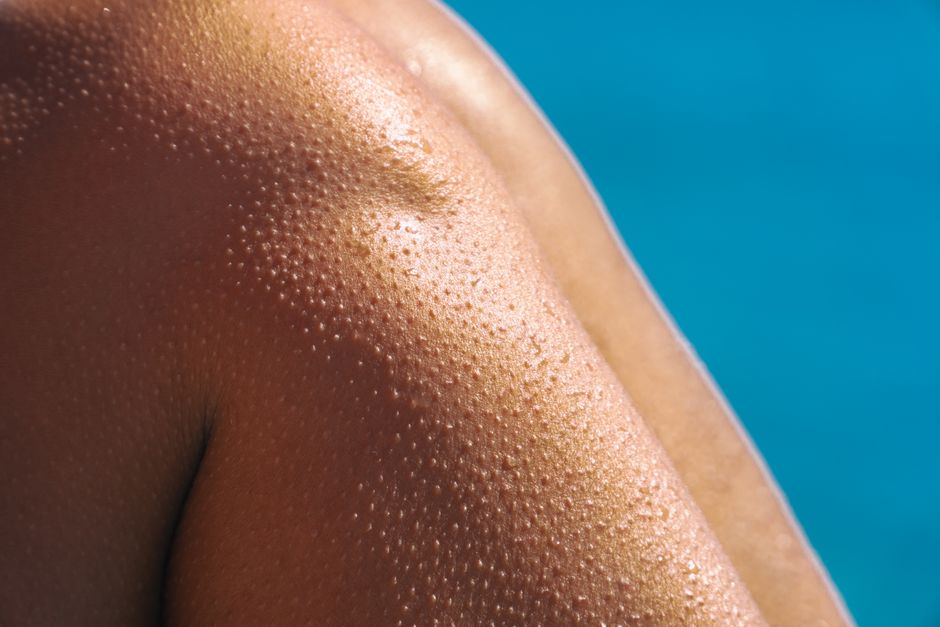
Butt sweat is common, and for many people it is a daily annoyance that causes discomfort and embarrassment. The good news is that you can reduce it with a few practical steps. Start by switching to moisture-wicking underwear, apply an over-the-counter antiperspirant to the area at night, and keep the skin clean and dry throughout the day. If these steps do not control the sweating, or if the sweating is excessive and disrupts your life, talk to a doctor about prescription options.
Why Does My Butt Sweat So Much?
Sweating is how your body cools itself down. You have millions of sweat glands all over your skin, and the area around your buttocks and groin has a high concentration of them. When your core temperature rises, whether from heat, exercise, or stress, your nervous system tells these glands to release sweat.
The skin between your buttocks is often covered by clothing and doesn’t get much airflow. That trapped moisture has nowhere to go, which is why the area can feel especially damp. This is normal physiology, not a sign that something is wrong with you.
In some cases, the amount of sweat is beyond what is needed for cooling. This is a medical condition called hyperhidrosis. It can affect specific body parts, including the buttocks and groin. If you sweat heavily in this area even when you are cool and at rest, you may have this condition.
Step 1: Change Your Underwear and Clothing
Your clothing choices are the first line of defense. Tight, non-breathable fabrics trap heat and moisture against your skin. Synthetic materials like polyester and nylon hold onto sweat and can make the area feel wetter for longer.
Choose underwear made from natural, breathable fibers like cotton. Cotton absorbs moisture and allows air to circulate. For exercise or hot days, look for moisture-wicking athletic underwear. These are designed to pull sweat away from the skin and let it evaporate faster.
Loose-fitting pants and shorts also help. Tighter clothing rubs against the skin and reduces airflow. If you are at home, letting the area air out without underwear can help keep it dry, but this is not practical for most situations outside the house.
Step 2: Apply Antiperspirant to the Area
Many people do not realize that antiperspirant works on the buttocks just like it works on the underarms. An antiperspirant contains aluminum salts that temporarily block the sweat ducts. When the ducts are blocked, sweat cannot reach the surface of the skin.
Apply a regular over-the-counter antiperspirant to the skin around your buttocks and the crease between them. Be careful not to get it inside the anus or on the genitals. The skin there is more sensitive and can become irritated.
For best results, apply it at night before bed. Your sweat glands are less active while you sleep, which allows the product to absorb into the skin and form a better block. In the morning, wash the area as usual. You may need to use it nightly for several days before you notice the full effect.



Step 3: Keep the Skin Clean and Dry
Sweat itself does not cause odor. The smell comes from bacteria on your skin breaking down the sweat. Keeping the area clean reduces the bacteria count and the odor that comes with it.
Shower daily and wash the area with a mild, fragrance-free soap. After showering, dry the area thoroughly with a clean towel. Pay attention to the crease between your buttocks, where moisture can hide.
You can also use a body powder or cornstarch-based powder to absorb moisture during the day. Apply a thin layer after drying off. Powders containing talc have been a topic of safety concern in the past, so cornstarch-based options are a reasonable alternative. Avoid powders with added fragrance, which can irritate sensitive skin.
Step 4: Use a Barrier Cream or Wipes During the Day
If you sit for long periods, sweat and friction can combine to cause chafing and irritation. A barrier cream, like those made for diaper rash, can protect the skin. These creams contain zinc oxide or petroleum jelly, which create a protective layer between your skin and your clothing.
Apply a small amount to the area before a long day of sitting or before exercise. This does not stop the sweating, but it prevents the skin damage that can come from prolonged moisture and rubbing.
For quick touch-ups during the day, use unscented body wipes or baby wipes. Gently pat the area dry to remove sweat and refresh the skin. Do not scrub, as this can irritate the skin further.
When to See a Doctor About Butt Sweat
Excessive sweating is not just a nuisance for some people. It can interfere with work, social life, and intimate relationships. If over-the-counter antiperspirants and lifestyle changes do not help, it is reasonable to see a doctor.
A doctor can prescribe a stronger antiperspirant that contains a higher concentration of aluminum chloride. These prescription-strength products are often much more effective than anything you can buy without a prescription.
In more severe cases, there are other treatment options. One option is a medication called glycopyrrolate, which reduces sweating throughout the body. Another is a procedure called iontophoresis, which uses a mild electrical current to temporarily shut down sweat glands. Botox injections can also be used to block the nerves that trigger sweating in a specific area.
These treatments have varying levels of evidence and side effects. A doctor can help you weigh the risks and benefits based on your specific situation. No single treatment works for everyone.
Does Diet Affect Butt Sweat?
Some people report that certain foods make them sweat more. Spicy foods, caffeine, and alcohol are the most commonly mentioned triggers. These substances can raise your core temperature or stimulate your nervous system, which may lead to more sweating.
The evidence for a direct link between specific foods and sweating is limited. Some studies suggest that caffeine and spicy foods can increase sweat production in some people, but the effect varies widely from person to person.
If you notice that your sweating gets worse after eating certain foods, it is reasonable to try avoiding them for a week or two to see if it makes a difference. This is a low-risk experiment. Staying well hydrated can also help your body regulate its temperature more efficiently.
How Do You Stop Butt Sweat During Exercise?
Exercise naturally raises your core temperature, which means you will sweat more. You cannot stop this completely, and you should not try to. Sweating during exercise is a healthy, necessary response.
What you can do is manage the sweat so it does not cause discomfort. Wear moisture-wicking, breathable clothing designed for workouts. Change out of your sweaty clothes as soon as your workout is over. Sitting in damp clothing after exercise is a major cause of skin irritation and odor.
Shower soon after you finish exercising. If you cannot shower immediately, use a wipe to clean the area and change into dry underwear. This simple step can prevent most of the problems associated with post-workout sweat.
Frequently Asked Questions
Is it normal for your butt to sweat a lot?
Yes, it is normal to sweat in the buttocks area because it has a high concentration of sweat glands. However, if you sweat heavily even when you are cool and at rest, you may have a condition called hyperhidrosis.
Can I use regular deodorant on my butt?
Deodorant only masks odor and does not stop sweating, so it is not the best choice. An antiperspirant is more effective because it actually blocks the sweat ducts.
Does butt sweat cause rashes?
Prolonged moisture and friction can irritate the skin and lead to a rash. Keeping the area clean and dry, and using a barrier cream, can help prevent this.
Will losing weight stop butt sweat?
Excess body weight can increase insulation and make you sweat more, but weight loss does not guarantee an end to butt sweat. The number of sweat glands you have is determined by genetics and does not change with weight loss.
