
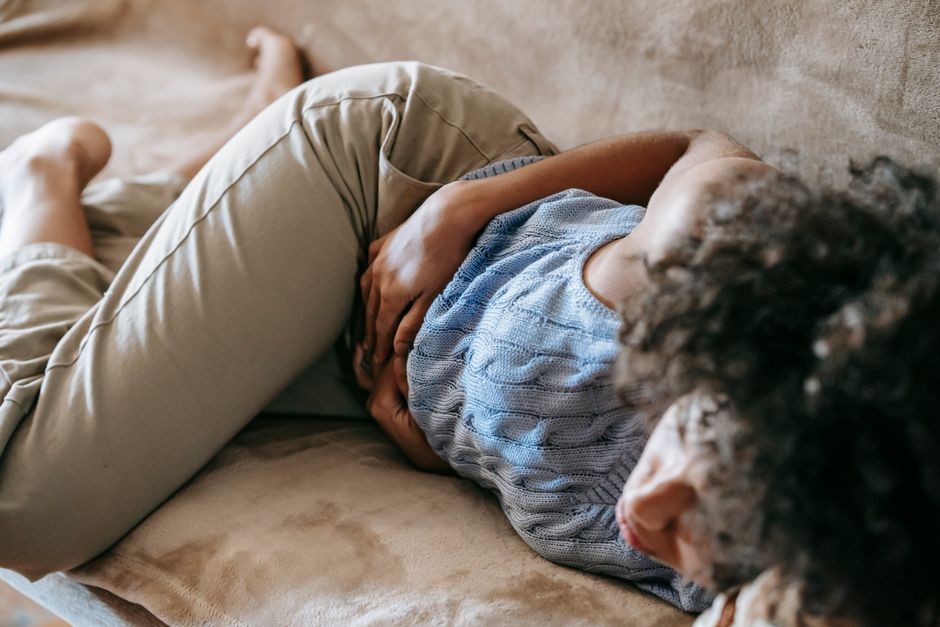
Most abdominal cramps stop within minutes if you pick the right remedy. Heat therapy relaxes the muscle. Peppermint oil calms the gut lining. Over-the-counter simethicone breaks up gas bubbles. These three approaches work for the majority of sudden cramps. The trick is matching the remedy to the cause — and that is what this article covers.
What Actually Causes Sudden Abdominal Cramps?
Abdominal cramps are muscle spasms in your digestive tract. The smooth muscle lining your stomach and intestines contracts too hard or too often. This can happen for many reasons.
Gas buildup is one of the most common causes. When gas stretches the intestinal wall, the muscle contracts to move it along. That contraction can hurt. The CDC reports that about 1 in 10 Americans experience chronic gas pain at some point.
Digestion itself can trigger cramps. Eating too fast, swallowing air, or eating foods your body struggles to break down can all cause trouble. Lactose intolerance alone affects roughly 36% of Americans, according to the National Institutes of Health. Dairy is a frequent hidden cause.
Stress also plays a role. The gut and brain share nerve pathways. When you are anxious, your gut can tighten up. Research published in Gastroenterology found that people with irritable bowel syndrome report stress as a trigger for cramping more than 80% of the time.
Menstrual cramps are a different animal. They come from the uterus, not the intestines. But the pain feels similar, and some remedies overlap.
How To Stop Abdominal Cramps Fast Remedies That Work
You need a remedy that matches the cause. Here is a breakdown of what works best for each situation.
Heat therapy is the fastest option for most cramps. A heating pad or hot water bottle placed on the belly relaxes smooth muscle. A study in the American Journal of Gastroenterology found that heat wraps reduced abdominal pain in 68% of participants within 30 minutes. No pills required.
Peppermint oil works well for intestinal cramps. It contains menthol, which blocks calcium channels in the gut muscle. That stops the muscle from contracting as hard. Research in the Journal of Clinical Gastroenterology found that enteric-coated peppermint oil capsules reduced cramping in people with IBS by 50% compared to placebo.
Simethicone is your go-to for gas pain. It does not stop cramps directly. It breaks up gas bubbles so they pass more easily. That relieves the pressure that causes the cramping. It is safe and has no known drug interactions.
Ginger helps with cramps linked to nausea. The compounds gingerol and shogaol reduce inflammation in the gut lining. A review in Nutrition Journal found ginger effective for reducing nausea and cramping in pregnancy and after surgery.
Hydration with electrolytes stops cramps from dehydration. When you lose fluids through sweat, diarrhea, or vomiting, your muscles get irritable. Plain water is fine. Adding an electrolyte drink with potassium and magnesium works faster.
| Remedy | Best For | Time to Relief | Evidence Level |
|---|---|---|---|
| Heating pad | General cramps, menstrual cramps | 15–30 minutes | Strong |
| Peppermint oil | IBS, intestinal spasms | 30–60 minutes | Strong |
| Simethicone | Gas pain | 10–30 minutes | Moderate |
| Ginger | Cramps with nausea | 20–40 minutes | Moderate |
| Electrolytes | Dehydration cramps | 15–30 minutes | Moderate |
What Does Research on Abdominal Cramp Remedies Actually Show?
The evidence for most home remedies is mixed. Some work well. Others are overhyped.
Peppermint oil has the strongest support. A meta-analysis in BMC Complementary Medicine and Therapies reviewed 12 studies and found peppermint oil significantly reduced abdominal pain compared to placebo. The effect was strongest in people with IBS.
Heat therapy also has solid backing. The American College of Gastroenterology recommends heat as a first-line treatment for menstrual cramps. The same mechanism works for intestinal cramps — heat increases blood flow and relaxes muscle.
Some studies suggest chamomile tea may help. A study in Molecular Medicine Reports found that chamomile extract reduced muscle spasms in animal intestines. Human studies are limited. It is worth trying if you like tea, but do not expect a fast fix.
Evidence for apple cider vinegar is weak. Some people report relief from diluted vinegar for indigestion. A study in the Journal of Agricultural and Food Chemistry found it slowed stomach emptying in rats. That could actually make bloating worse in some people.
Probiotics are not a fast remedy. They change the gut microbiome over weeks, not minutes. Do not reach for probiotics when you have a cramp right now. They are for prevention, not treatment.





What Remedies Should You Avoid for Abdominal Cramps?
Some popular remedies can make cramps worse. Here is what to skip.
Carbonated drinks add gas. Soda, sparkling water, and beer all release carbon dioxide in your gut. That can increase pressure and make cramping worse. If you are already bloated, still water is better.
Raw vegetables are hard to digest. Cruciferous vegetables like broccoli, cabbage, and cauliflower contain raffinose. That sugar ferments in the gut and produces gas. Cooked vegetables are easier on the system.
Dairy if you are lactose intolerant. Many adults do not realize they have trouble digesting lactose. If dairy triggers your cramps, skip it for a few hours. Lactase enzyme pills can help if taken before eating.
High-fiber foods during an active cramp. Fiber is good for prevention. During a cramp, it can stretch the intestine and worsen pain. White rice, toast, and bananas are safer options.
Antidiarrheals for cramps with no diarrhea. Loperamide slows gut movement. If you are constipated or have gas, that can trap the problem inside. Use it only if you have watery diarrhea.
When Should You See a Doctor for Abdominal Cramps?
Most cramps pass on their own. But some situations need medical attention.
Go to a doctor if the pain is severe and comes on suddenly. That could signal appendicitis, a kidney stone, or an intestinal blockage. The American College of Emergency Physicians says sudden severe pain that wakes you from sleep is a red flag.
See a doctor if you have blood in your stool. Bright red blood or black tarry stool can indicate bleeding in the digestive tract. This is not something to wait out.
Fever with cramps means infection. Gastroenteritis, diverticulitis, and pelvic infections can all cause fever plus pain. If your temperature is above 100.4°F, call your doctor.
Persistent vomiting is another warning sign. If you cannot keep fluids down for more than 24 hours, you risk dehydration. That can make cramps worse and cause other problems.
Weight loss without trying plus cramps needs investigation. Unexplained weight loss combined with abdominal pain can point to inflammatory bowel disease or other chronic conditions.
One more thing: cramps that only happen during your period are normal. But if they interfere with your daily life, there are treatments. Birth control pills, NSAIDs like ibuprofen, and heat therapy all help. Talk to your doctor if period pain is severe.
Common Misconceptions About Stopping Abdominal Cramps
You have probably heard that drinking warm lemon water stops cramps. There is no evidence for this. Lemon water is hydrating, which helps, but the lemon itself does not relax gut muscle. Warm water alone works just as well.
Some people swear by activated charcoal for gas pain. Activated charcoal can absorb toxins in overdose situations. But research in the Journal of Clinical Gastroenterology found no benefit for reducing gas or bloating in healthy people. It is not worth the mess.
Another myth: you should eat something to settle your stomach. For some cramps, eating makes things worse. If you are nauseous or bloated, skip food for an hour. Let your gut rest.
Many people think cramps always mean something serious. That is not true. Occasional cramps from gas, overeating, or stress are normal. The average person passes gas 13 to 21 times per day. Some of that gas causes brief pain.
One non-obvious insight: the position you sit in matters. Sitting hunched over compresses the abdomen and can trap gas. Sitting upright or lying on your side with knees pulled up can help release pressure. Try changing position before reaching for medication.
Frequently Asked Questions
What is the fastest way to stop abdominal cramps?
Heat therapy is the fastest option. Apply a heating pad to your belly for 15 to 30 minutes. This relaxes the muscle and increases blood flow.
Can peppermint oil really stop stomach cramps?
Yes, research shows peppermint oil reduces intestinal cramps by blocking calcium channels in the gut muscle. Enteric-coated capsules work best for avoiding heartburn.
Should I drink water for abdominal cramps?
Yes, if you are dehydrated. Plain water helps, but water with electrolytes like potassium and magnesium works faster for cramps caused by fluid loss.
When should I worry about abdominal cramps?
See a doctor if the pain is sudden and severe, if you have blood in your stool, fever over 100.4°F, or cannot keep fluids down for more than 24 hours.
