
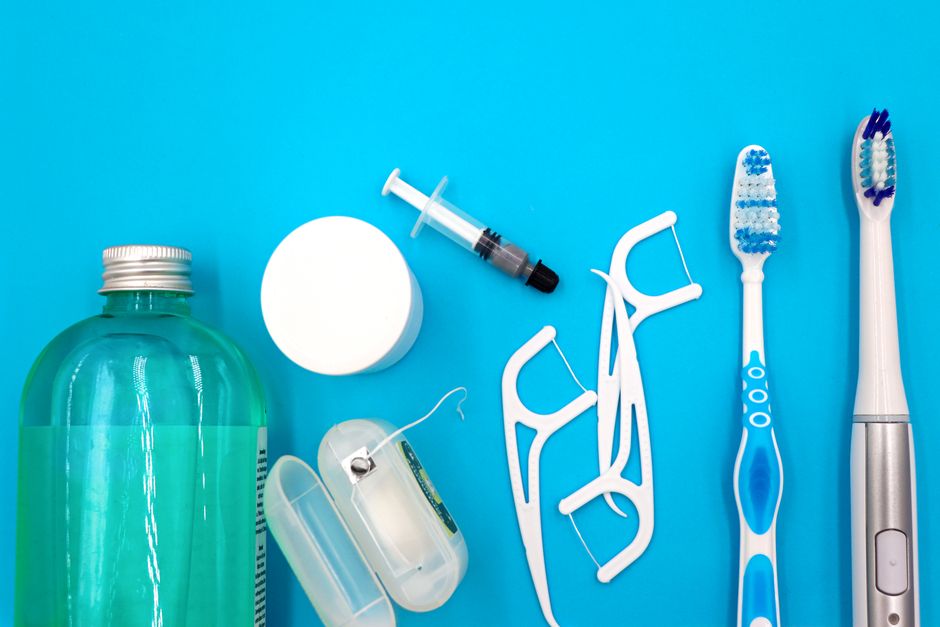
Irritated gums are a common problem, but you don’t always need a trip to the dentist to find relief. For mild irritation, simple home care like saltwater rinses and improved brushing habits can reduce redness and swelling within a few days. However, it is critical to understand that these remedies treat the symptoms, not the underlying infection, and persistent gum irritation requires professional dental care.
What Causes Gums to Become Irritated?
Gum irritation, or gingivitis, happens when plaque builds up along the gumline. Plaque is a sticky film of bacteria that forms on teeth constantly. When it is not removed by brushing and flossing, the bacteria release toxins that inflame the gum tissue.
This inflammation is your body’s immune response. Blood vessels in the gums dilate to bring white blood cells to the area, which causes the classic signs of irritation: redness, swelling, and bleeding. The most common cause is inadequate oral hygiene, but other factors can contribute.
Hormonal changes, certain medications, and smoking can make gums more sensitive. Even aggressive brushing with a hard-bristled toothbrush can physically irritate the tissue. Identifying the cause matters because treating the symptom without addressing the cause will not provide lasting relief.
How To Treat Irritated Gums Home Remedies That Work
Several home remedies have genuine evidence behind them for reducing gum inflammation. They work by reducing bacterial load, lowering inflammation, or both. These are appropriate for mild, recent-onset irritation where you notice some redness or bleeding when you floss.
Saltwater rinse. Dissolve half a teaspoon of salt in a glass of warm water. Swish it around your mouth for 30 seconds and spit it out. Salt water creates a high-osmolarity environment that draws fluid out of swollen tissues, temporarily reducing edema. It also creates an environment less hospitable to bacteria. Repeat two to three times daily.
Improved brushing technique. Switch to a soft-bristled toothbrush if you have not already. Angle the bristles toward the gumline at a 45-degree angle and use gentle circular motions. Many people brush too hard, which damages the delicate attachment between the gum and tooth. Proper technique removes plaque without injuring tissue.
Consistent flossing. Flossing once daily removes plaque from the surfaces between teeth where a brush cannot reach. If your gums bleed when you start flossing, that is a sign of existing inflammation. Bleeding usually decreases within a week of consistent daily flossing as the tissue heals.
Cold compress. If your gums feel swollen and painful, apply an ice pack to the outside of your cheek for 10 to 15 minutes. This constricts blood vessels and numbs the area. It provides temporary relief but does nothing to address the bacterial cause.
These remedies are most effective when used together. A saltwater rinse reduces acute swelling, while proper brushing and flossing remove the plaque that caused the problem in the first place.
Which Natural Products Actually Reduce Gum Inflammation?
Some natural products have clinical evidence supporting their use for gum health. Others are popular but lack solid research. Knowing the difference helps you avoid wasting money on ineffective products.
Green tea. Research published in the Journal of Periodontology has found that drinking green tea is associated with healthier gums. The catechins in green tea have anti-inflammatory properties and may inhibit the growth of certain oral bacteria. Drinking unsweetened green tea daily is a reasonable addition to your routine.
Aloe vera. Aloe vera gel has demonstrated anti-inflammatory effects in several small studies. When applied directly to the gums or used as an alcohol-free mouthwash, it may reduce plaque and gingivitis scores. Look for products with high aloe content and no added sugars.
Turmeric gel. Curcumin, the active compound in turmeric, has anti-inflammatory properties. Some clinical trials have found that turmeric gel used as a mouthwash reduces gum inflammation comparable to chlorhexidine, a prescription antiseptic. However, turmeric stains clothing and teeth, and the evidence base is still smaller than for conventional treatments.
Coconut oil pulling. Oil pulling involves swishing oil in your mouth for 15 to 20 minutes. Some research suggests it reduces plaque and gingivitis, likely because the mechanical action dislodges bacteria. The evidence is limited, and it should never replace brushing and flossing. It is not a substitute for evidence-based care.
Products that claim to “detoxify” or “remineralize” gums without evidence should be viewed with skepticism. No mouthwash or natural product can reverse established periodontal disease.




When Home Remedies Are Not Enough
Home remedies are appropriate for mild gingivitis. They are not appropriate for advanced gum disease, abscesses, or irritation lasting more than two weeks despite good home care. Persistent bleeding, receding gums, loose teeth, or pus between teeth and gums are signs of periodontitis, a more serious infection that damages the bone supporting your teeth.
Periodontitis requires professional treatment. A dentist or dental hygienist must remove hardened plaque, called tartar or calculus, that cannot be removed with a toothbrush. Tartar provides a rough surface where bacteria thrive, perpetuating inflammation.
If your gums are severely painful, you have difficulty eating, or you have a fever, see a dentist promptly. These can be signs of a dental abscess, which is an infection that may spread. Home treatment will not resolve an abscess, and delaying professional care can lead to tooth loss or systemic infection.
Can Irritated Gums Be a Sign of Something Else?
Not all gum irritation comes from plaque. Some systemic conditions produce gum symptoms that do not improve with home care. Being aware of these possibilities helps you know when to seek medical rather than dental advice.
Certain viral infections, like herpes simplex, can cause painful sores on the gums. Nutritional deficiencies, particularly vitamin C deficiency, can cause bleeding gums. Some medications cause gum overgrowth, which traps plaque and leads to inflammation.
Hormonal changes during pregnancy can cause a condition called pregnancy gingivitis, where gums bleed easily even with good hygiene. This typically resolves after delivery but still requires professional monitoring during pregnancy.
If your gums are irritated but you have excellent oral hygiene and no plaque buildup, consider whether you have recently changed medications, started a new oral care product, or experienced unusual stress. If the irritation persists without an obvious dental cause, mention it to your primary care provider.
How Long Until Home Remedies Show Results?
With consistent home care, you should notice improvement within a few days. Bleeding during brushing and flossing typically decreases within one to two weeks as the inflammation subsides. Redness and swelling may take slightly longer to fully resolve.
If you see no improvement after two weeks of diligent home care, the problem is likely not simple gingivitis. You may have tartar buildup that requires professional removal, or the irritation may have a non-dental cause. Continuing home remedies beyond this point without professional evaluation delays proper treatment.
It is also worth noting that gums do not grow back once they have receded. If you notice your teeth looking longer or sensitive at the roots, that recession is permanent without surgical intervention. Prevention through gentle brushing and regular cleanings is far more effective than treatment after the damage is done.
What Should You Avoid When Your Gums Are Irritated?
Certain habits and products can worsen gum irritation. Avoiding them is as important as using effective remedies.
Avoid alcohol-based mouthwashes. These can dry out oral tissues and worsen irritation. Many commercial mouthwashes contain high concentrations of alcohol that provide a burning sensation but no additional benefit over alcohol-free alternatives.
Avoid hard-bristled toothbrushes. They can abrade gum tissue and cause recession. Always choose soft or extra-soft bristles.
Avoid tobacco. Smoking impairs blood flow to the gums, which reduces your body’s ability to fight infection. It also makes gum disease harder to treat and more likely to progress.
Avoid picking at your gums. Using toothpicks, fingernails, or other objects to dislodge food can introduce bacteria and cause physical trauma. Use floss or interdental brushes instead.
Limit sugary and acidic foods. Sugar feeds the bacteria that cause plaque. Acidic foods and drinks can erode enamel and expose sensitive dentin, which is often mistaken for gum irritation.
There is no evidence that any food or supplement can “cure” gum disease. A balanced diet supports immune function, but it cannot replace mechanical plaque removal.
When To See a Dentist for Irritated Gums
You should see a dentist if your gums bleed regularly when you brush, if the irritation lasts more than two weeks despite good home care, or if you notice any of the following signs: persistent bad breath, receding gums, loose teeth, or a change in how your teeth fit together when you bite.
Regular dental cleanings are also preventive. Most dentists recommend a professional cleaning every six months, though some people with a history of gum disease need more frequent visits. During a cleaning, the hygienist removes tartar that you cannot remove at home, which prevents gum disease from starting or progressing.
Dentists can also identify early signs of gum disease that you cannot see or feel. Early intervention is less invasive, less expensive, and more successful than treating advanced disease.
Frequently Asked Questions
How long does it take for saltwater rinses to reduce gum swelling?
You may notice reduced swelling within 24 to 48 hours of starting saltwater rinses twice daily. Full resolution of inflammation typically takes one to two weeks of consistent rinsing combined with proper brushing and flossing.
Can irritated gums heal on their own without treatment?
Mild irritation can resolve if plaque is removed through improved brushing and flossing. If plaque remains, the inflammation will persist or worsen, so leaving it untreated is not recommended.
Is it normal for gums to bleed when you start flossing?
Bleeding when you begin flossing is common and usually indicates existing inflammation. With daily flossing, bleeding typically decreases within a week as the gum tissue becomes healthier.
Does oil pulling actually work for gum irritation?
Some small studies suggest oil pulling reduces plaque and gingivitis, but the evidence is limited compared to conventional methods. It may be a helpful addition, but it should never replace brushing and flossing.
