
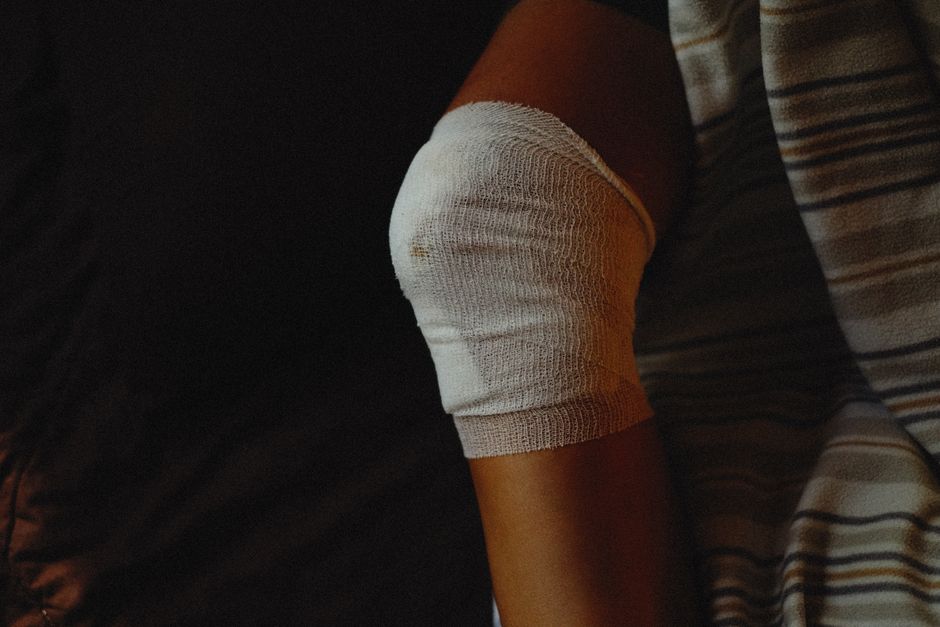
Swelling happens when fluid builds up in your tissues. Your body is telling you something, and often that something is minor — too much salt, a long flight, or a sprained ankle. The right home remedy depends entirely on the cause. For everyday swelling, proven methods like elevation, compression, and cold therapy genuinely work. For swelling that comes on suddenly, affects one leg only, or comes with chest pain or shortness of breath, home remedies are not the answer — that is a medical emergency.
What Causes Swelling in the First Place?
Swelling, known medically as edema, is fluid trapped in your body’s tissues. It usually collects in the feet, ankles, and legs because gravity pulls fluid downward. It can also appear in the hands, face, or abdomen.
The most common causes are sitting or standing for long periods, eating too much sodium, pregnancy, premenstrual changes, and minor injuries. Heat can also make swelling worse because blood vessels widen and leak more fluid. Medications including blood pressure drugs, steroids, and some antidepressants list swelling as a side effect.
Underlying conditions matter too. Heart failure, kidney disease, liver disease, and venous insufficiency can all cause fluid retention. If you have one of these conditions, you should already be under a doctor’s care, and home remedies are a supplement to — not a replacement for — your treatment plan.
How To Deal With Swelling Home Remedies That Work
For everyday swelling from prolonged sitting, heat, or a minor injury, these methods have the strongest evidence behind them.
Elevation is simple and effective. Raise the swollen area above the level of your heart. Gravity then helps drain fluid back toward your core. If your ankles are swollen, lie down and prop your feet on pillows. Do this for 15 to 30 minutes and repeat as needed throughout the day.
Cold therapy works best for swelling from an injury. Cold narrows blood vessels, which reduces fluid leaking into tissues. Apply an ice pack wrapped in a thin towel for 15 to 20 minutes at a time. Never place ice directly on skin — it can cause frostbite. Wait at least two hours between sessions.
Compression helps by physically preventing fluid from pooling. Compression socks or sleeves apply gentle pressure that pushes fluid upward. They work particularly well for people who stand all day or fly frequently. Fit matters — socks that are too tight can cut circulation. If you have peripheral artery disease or diabetes-related nerve damage, talk to a doctor before using compression garments.
Movement is often overlooked. Your muscles act as a pump that pushes fluid back toward your heart. If you have been sitting for hours, walk for five minutes every hour. If you are on a long flight, flex and extend your ankles periodically. Calf raises and ankle circles are easy options that require no equipment.
Do Dietary Changes Reduce Swelling?
Yes, but only when salt is the cause. Sodium makes your body hold onto water. Cutting back on processed foods, canned soups, and restaurant meals often reduces swelling within days. The average American consumes far more sodium than the recommended limit of 2,300 milligrams per day — about one teaspoon of salt.
Potassium helps counterbalance sodium. Foods rich in potassium include bananas, sweet potatoes, spinach, and yogurt. Some research suggests that increasing potassium intake helps the body excrete excess sodium through urine. But if you have kidney disease, too much potassium can be dangerous. Check with your doctor first.
Water seems counterintuitive, but dehydration can actually make swelling worse. When your body senses low fluid levels, it holds onto what it has. Drinking adequate water helps your kidneys flush excess sodium and fluid. There is no magic amount that applies to everyone, but urine that is pale yellow generally indicates good hydration.
Some natural diuretics like dandelion tea and parsley are marketed for swelling. The evidence is limited. No large human trials have confirmed that these herbs meaningfully reduce edema. They are not dangerous in food amounts, but do not rely on them as treatment.





Home Remedies for Specific Types of Swelling
Swollen feet and ankles from standing or sitting. Elevation and compression are your primary tools. If you stand at work, take seated breaks with your feet up. If you sit at a desk, get up regularly. Support stockings with 15-20 mmHg pressure are a reasonable starting point for mild swelling.
Swelling from a sprain or minor injury. The RICE protocol — rest, ice, compression, elevation — remains the standard first-line approach. Rest the injured area for the first 24 to 48 hours. Ice for 15 to 20 minutes several times daily. Wrap with an elastic bandage, not tightly. Elevate above heart level whenever possible.
Swollen hands in heat. Heat causes blood vessels to expand and leak fluid into surrounding tissue. Moving your hands and arms helps. Raise your arms overhead and make fists repeatedly. Cool water immersion can also provide relief. This type of swelling typically resolves when you cool down.
Swelling during pregnancy. Mild swelling in feet and ankles is normal, especially in the third trimester. Elevation, side-lying rest, and comfortable shoes help. But sudden swelling in the face or hands, especially with headache or vision changes, can signal preeclampsia — a serious condition. Contact your obstetrician immediately if this occurs.
When Swelling Is a Warning Sign
Not all swelling is safe to treat at home. Some situations require immediate medical attention.
One leg swelling only. This can indicate a deep vein thrombosis, or DVT — a blood clot in the leg. DVTs can travel to the lungs and be fatal. Do not massage the area. Do not elevate it. Seek medical care promptly.
Swelling with shortness of breath or chest pain. This combination can signal heart failure or a pulmonary embolism. Both are emergencies. Call 911.
Swelling that comes on suddenly and rapidly. A sudden, dramatic increase in swelling — especially in the face or lips — can indicate an allergic reaction. If it comes with difficulty breathing, it is anaphylaxis. Use an epinephrine auto-injector if you have one and call 911.
Swelling with fever or redness. This can indicate an infection, particularly if the area is warm to the touch. Cellulitis is a bacterial skin infection that requires antibiotics. Home remedies will not treat it.
Swelling that does not improve. If you have tried elevation, compression, and reduced salt for several days and swelling persists or worsens, see a doctor. Persistent swelling can indicate heart, kidney, or liver problems that need proper diagnosis.
If you are taking medication and notice new swelling, do not stop the medication on your own. Contact your prescribing doctor. Some medications require gradual tapering and stopping abruptly can be dangerous.
Lifestyle Habits That Prevent Swelling
Prevention is easier than treatment. Several daily habits reduce your chances of developing swelling in the first place.
Reduce your sodium intake consistently, not just when you notice puffiness. Read nutrition labels. A single frozen meal can contain more than half your daily sodium allowance. Cooking at home with fresh ingredients gives you control over salt content.
Stay active throughout the day. A 30-minute walk daily supports healthy circulation. If you have a sedentary job, set a timer to stand and stretch every hour. Small movements add up.
Maintain a healthy weight. Excess body weight puts additional pressure on veins in your legs, making it harder for fluid to return to your heart. Weight loss often improves swelling in people who are overweight.
Avoid sitting with your legs crossed for long periods. This position compresses veins and can reduce blood flow. Keep both feet flat on the floor or use a small footrest.
Stay cool in hot weather. Air conditioning, cool showers, and avoiding peak heat hours can prevent heat-related swelling. If you exercise outdoors in summer, do it in the early morning or evening.
What Does Not Work for Swelling?
Several popular remedies lack evidence. Knowing what does not work can save you time and money.
Epsom salt soaks are widely promoted for swelling. The magnesium in Epsom salt is poorly absorbed through skin. A warm soak may feel relaxing, but it does not meaningfully reduce fluid retention. In fact, heat can worsen swelling in some cases.
Apple cider vinegar has no demonstrated effect on edema. Drinking it undiluted can damage tooth enamel and irritate your esophagus. No clinical evidence supports its use for swelling.
Essential oils marketed for swelling — like grapefruit or cypress oil — have not been studied in rigorous human trials. They can cause skin irritation, especially when applied undiluted. Some oils are toxic if ingested.
Waist trainers or tight bands do not reduce swelling. They compress the abdomen temporarily, but they do not address fluid balance. Wearing them too tightly can restrict breathing and cause digestive issues.
Be skeptical of any product claiming to “flush” or “detox” your body. Your kidneys and liver handle detoxification naturally. Products that promise rapid fluid loss are often laxatives or diuretics that can cause dehydration and electrolyte imbalances.
Frequently Asked Questions
How long does it take for home remedies to reduce swelling?
Mild swelling from sitting or standing often improves within hours of elevation and movement. Swelling from an injury typically takes several days to noticeably decrease.
Is ice or heat better for swelling?
Ice is better for acute swelling from a recent injury because it narrows blood vessels and reduces fluid leakage. Heat can help chronic joint stiffness but often worsens active swelling.
Can drinking more water actually reduce swelling?
Yes, adequate hydration helps your kidneys flush excess sodium and fluid. Dehydration signals your body to retain water, which can worsen swelling.
When should I see a doctor for swelling?
See a doctor if swelling affects only one leg, comes with chest pain or shortness of breath, develops suddenly with facial swelling, or does not improve after several days of home care.
