
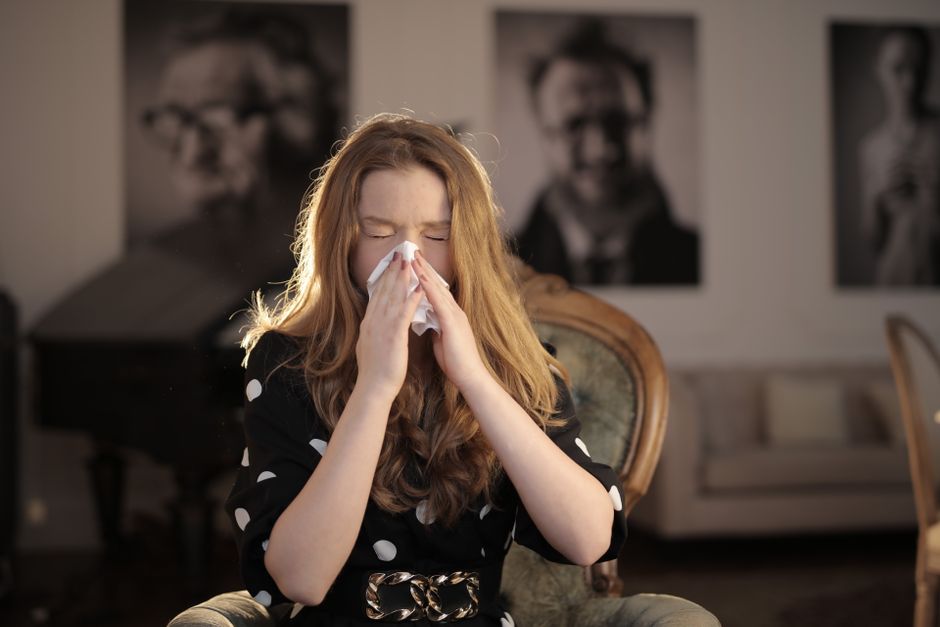
Sneezing is a reflex your body uses to clear the nose of irritants. It is rarely dangerous, but it can be disruptive, messy, and exhausting when it happens repeatedly. The fastest way to stop a sneezing fit is to remove the trigger, but when that is not possible, you can use physical techniques to interrupt the reflex and remedies to reduce nasal irritation. This guide covers the most common triggers, the techniques that actually work to stop a sneeze, and the remedies that address the root causes of frequent sneezing.
What Causes Sneezing In The First Place?
Sneezing is a protective reflex. When something irritates the lining of your nose, the trigeminal nerve sends a signal to your brain. The brain then triggers a coordinated response: your chest muscles contract, your vocal cords close, pressure builds, and then air bursts out through your nose and mouth at high speed. That burst is designed to physically expel the irritant.
The most common irritants are dust, pollen, pet dander, mold spores, and strong odors. Viral infections like the common cold or flu also cause sneezing because the virus inflames the nasal lining. Some people sneeze in response to bright light, a condition called the photic sneeze reflex, which affects roughly one in four people and is genetic.
Frequent sneezing without other symptoms often points to allergies or a chronic condition called nonallergic rhinitis. Nonallergic rhinitis is triggered by changes in weather, smoke, perfume, or even spicy food. The key difference is that allergies involve the immune system releasing histamine, while nonallergic rhinitis does not.
How To Stop Sneezing Triggers Tips And Remedies: What Works Fast
If you feel a sneeze coming on, you have a brief window to stop it. The following techniques interrupt the reflex arc before the sneeze fully develops. These are not guaranteed for everyone, but they are safe to try and often effective.
- Press your upper lip. Place a finger firmly under your nose, just above your upper lip. Press for a few seconds. This stimulates the same nerve branches that are firing during the sneeze and can disrupt the signal.
- Breathe through your mouth. Taking slow, deep breaths through your mouth reduces the airflow rushing through your nasal passages, which can calm the irritation driving the sneeze.
- Look at a bright light. This sounds counterintuitive, but for people who sneeze in response to bright light, the opposite can sometimes help. For others, looking away from a bright light or closing your eyes can prevent the photic trigger.
- Pinch the bridge of your nose. Gentle pressure on the bridge of your nose near the inner corners of your eyes can sometimes suppress the reflex.
- Tickle the roof of your mouth. Using your tongue to gently rub the roof of your mouth can interrupt the nerve signal. This is a common trick, though its effectiveness varies from person to person.
These techniques stop a single sneeze. They do not address why you are sneezing repeatedly. If you are sneezing every few minutes for hours, you need to address the underlying trigger, not just interrupt each individual sneeze.
How To Stop A Sneezing Fit Caused By Allergies
Allergic sneezing is driven by histamine. When your immune system encounters an allergen like pollen or dust mites, it releases histamine into your nasal tissues. Histamine causes blood vessels to dilate, tissues to swell, and nerve endings to fire, producing sneezing, itching, and a runny nose.
Antihistamines are the first-line remedy for allergic sneezing. Oral antihistamines like cetirizine, loratadine, and fexofenadine block the histamine receptor and reduce sneezing within one to two hours. These are available over the counter in the United States. Some people prefer nasal antihistamine sprays, which work faster but require a prescription in many cases.
Intranasal corticosteroids, such as fluticasone and budesonide, are more effective for chronic allergic rhinitis. They do not work immediately. They take several days to reach full effect, so they are best used daily during allergy season rather than as a rescue remedy for a sudden sneezing fit.
If your sneezing is triggered by a specific allergen, avoidance is the most reliable strategy. During high pollen seasons, keep windows closed, run an air purifier with a HEPA filter, and change clothes after spending time outdoors. If dust mites are the trigger, wash bedding in hot water weekly and use allergen-proof mattress and pillow covers.




Home Remedies For Sneezing: What The Evidence Shows
Several home remedies are commonly recommended for sneezing. Some have solid evidence behind them. Others are based on tradition rather than science.
Saline nasal rinses are well supported. Using a neti pot or squeeze bottle with sterile saline solution flushes out irritants and allergens from the nasal passages. This physically removes the trigger before it can cause a sneeze. Use distilled, sterile, or previously boiled water only. Tap water that has not been boiled can contain organisms that cause serious infections.
Steam inhalation can help if your nasal passages are dry and irritated. Moist air soothes the nasal lining and can reduce the urge to sneeze. A warm shower or a bowl of hot water with a towel over your head works. The evidence for steam treating nasal symptoms is mixed, but it is low-risk and provides temporary relief for many people.
Honey is often recommended for allergy symptoms, but the evidence is limited. Some studies suggest that local honey may reduce allergy symptoms, but results are inconsistent and no large trials have confirmed a clear benefit. Honey should never be given to children under one year old due to the risk of infant botulism.
Spicy food can trigger sneezing in some people, but it can also help others. Spicy foods like horseradish or wasabi stimulate the same nerve pathways that produce nasal secretions. This can cause a sudden clearing of the nose, but it can also make sneezing worse if the spice itself is the irritant.
When Sneezing Is A Symptom Of Something Else
Sneezing alone is rarely a sign of a serious condition. But when it is combined with other symptoms, it can point to a specific cause that needs different treatment.
Viral infections like the common cold cause sneezing along with a sore throat, cough, congestion, and sometimes fever. The sneezing usually resolves within a week as the immune system clears the virus. There is no cure for the common cold, but rest, fluids, and over-the-counter decongestants can manage symptoms.
Pregnancy can cause nasal congestion and sneezing. Hormonal changes increase blood flow to the nasal mucous membranes, causing them to swell. This is called pregnancy rhinitis. It can start as early as the second month and typically resolves after delivery. Some over-the-counter nasal sprays are safe during pregnancy, but always confirm with your obstetrician before taking any medication while pregnant.
Medication side effects can also cause sneezing. Some blood pressure medications, particularly ACE inhibitors, can cause nasal congestion and sneezing in a subset of people. If you started a new medication and noticed increased sneezing, discuss it with your doctor. Do not stop taking prescribed medication without medical guidance.
Can You Stop Sneezing By Holding It In?
Many people try to suppress a sneeze by pinching their nose and closing their mouth. This is not recommended. Holding in a sneeze creates a massive buildup of pressure in your upper airways. That pressure has to go somewhere.
There are documented cases of people injuring themselves by holding in sneezes. These injuries include ruptured eardrums, damage to the blood vessels in the eyes, and even tears in the tissue lining the chest cavity. These injuries are rare, but they are serious when they occur.
The safer approach is to sneeze into a tissue or the crook of your elbow. This does not stop the sneeze, but it prevents the spread of droplets that can carry viruses to other people. If your goal is to avoid the social disruption of a loud sneeze, sneezing into a tissue quietly is safer than trying to suppress the reflex entirely.
When To See A Doctor About Frequent Sneezing
Occasional sneezing is normal. But you should consider seeing a doctor if sneezing is interfering with your daily life, if it is accompanied by other symptoms, or if it does not respond to over-the-counter remedies.
See a doctor if you have sneezing along with any of the following:
- Facial pain or pressure that lasts more than a week
- Thick, discolored nasal discharge
- Fever higher than 100.4°F
- Sneezing that lasts more than three weeks despite treatment
- Wheezing or shortness of breath
These symptoms can indicate a sinus infection, a more serious respiratory condition, or an allergy that requires prescription treatment. An allergist can perform skin testing to identify specific triggers, and an ear, nose, and throat specialist can evaluate for structural issues like nasal polyps that may be causing chronic sneezing.
Frequently Asked Questions
What is the fastest way to stop a sneeze?
Press firmly on your upper lip just below your nose or breathe slowly through your mouth. These techniques interrupt the nerve signal that triggers the sneeze reflex.
Why do I sneeze multiple times in a row?
Repeated sneezing usually means the irritant is still present in your nose or the nerve pathway remains activated. Each sneeze may not fully clear the irritant, so the reflex fires again until the trigger is removed or the nasal lining calms down.
Is it dangerous to hold in a sneeze?
Yes, holding in a sneeze can cause injuries like ruptured eardrums or damage to blood vessels in the eyes. The pressure from a suppressed sneeze has to go somewhere, and rare but serious injuries have been documented.
Can allergies cause sneezing without a runny nose?
Yes, some people experience sneezing as their primary allergy symptom without significant nasal discharge. Antihistamines can still help reduce the sneezing reflex even when a runny nose is not present.
