
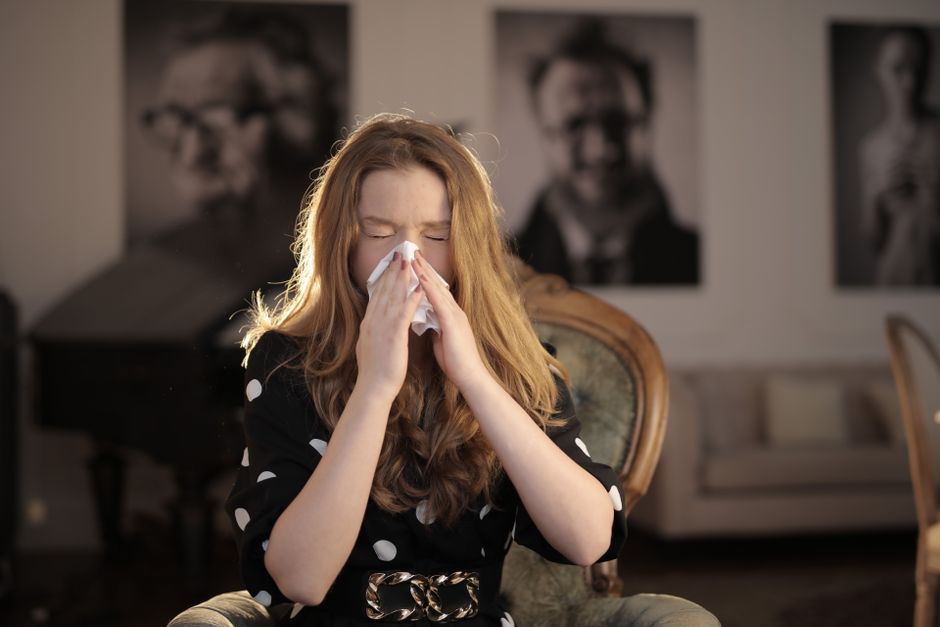
Sneezing is a reflex your body uses to clear the nose of irritants like dust, pollen, or viruses. It is rarely dangerous, but it can be disruptive, messy, and sometimes painful. To stop a sneeze, you need to target the trigger or interrupt the reflex before it completes. The most reliable methods include treating the underlying cause with antihistamines or nasal sprays, avoiding known triggers, and using physical techniques like pressing your tongue to the roof of your mouth when a sneeze builds. While you cannot always prevent a sneeze, understanding what causes the reflex gives you the best chance of stopping it quickly.
Why Do We Sneeze?
Sneezing is a protective reflex. When something irritates the lining of your nasal passages, nerves send a signal to your brain. Your brain then triggers a coordinated response. Your chest muscles contract, your vocal cords close, and pressure builds in your lungs. Then your vocal cords open suddenly, forcing air, mucus, and the irritant out through your nose and mouth at high speed.
The most common triggers are allergens like pollen, mold, and pet dander. Viral infections like the common cold or flu also cause sneezing. Other irritants include dust, smoke, strong odors, and changes in temperature or humidity. Some people sneeze when they pluck their eyebrows or step into bright sunlight. That last one is called the photic sneeze reflex, and it is genetic.
Understanding the trigger matters because it changes the remedy. A sneeze from allergies responds to antihistamines. A sneeze from a cold will not stop with allergy medication. A sneeze from bright light needs a physical workaround, not a pill.
How To Stop Sneezing Techniques Triggers And Remedies?
There is no single guaranteed way to stop a sneeze once it has started. But there are techniques that interrupt the reflex in many people. The most commonly recommended method is to press your tongue firmly against the roof of your mouth while the sneeze is building. Some people find that pinching the bridge of their nose or pressing a finger under their nose works as well. These techniques create counter-pressure that may interrupt the nerve signal before the sneeze completes.
You can also try breathing through your mouth and exhaling forcefully. This changes the airflow and pressure in your nasal passages, which may stop the reflex. Another approach is to look down at the floor when you feel a sneeze coming. Some people find this prevents the trigger, especially if the sneeze is caused by bright light.
These physical tricks do not work for everyone. The evidence for them is largely anecdotal, meaning people report success but no large clinical trials have confirmed these methods. They are safe to try and cost nothing. If they do not work, the sneeze will happen anyway. That is fine. Sneezing is not harmful.
For frequent sneezing, the real solution is treating the cause, not suppressing individual sneezes. If allergies are the culprit, over-the-counter antihistamines like cetirizine or loratadine can reduce sneezing within an hour. Nasal corticosteroid sprays like fluticasone work better for chronic symptoms but take several days to reach full effect. If you have a cold, decongestants may help, but the sneezing usually stops as the infection clears.
What Stops Sneezing From Allergies Fast?
For allergy-related sneezing, the fastest relief comes from antihistamines. These medications block histamine, a chemical your body releases when it encounters an allergen. Histamine causes the itching, runny nose, and sneezing that define allergic reactions. First-generation antihistamines like diphenhydramine work quickly but cause drowsiness. Second-generation antihistamines like cetirizine, loratadine, and fexofenadine are less sedating and work within one to three hours.
Nasal sprays can also provide fast relief. Antihistamine nasal sprays like azelastine work within 30 minutes. Decongestant sprays like oxymetazoline reduce nasal congestion quickly, but they do not directly stop sneezing. Saline nasal rinses can physically flush out allergens and irritants, which reduces the trigger for sneezing without medication.
If your allergy symptoms are persistent, daily treatment is more effective than treating each episode. Nasal corticosteroid sprays reduce inflammation in the nasal passages and decrease sensitivity to triggers over time. Some research suggests that combining an antihistamine with a nasal steroid works better than either alone for moderate to severe symptoms.
Allergy immunotherapy, which includes allergy shots or under-the-tongue tablets, changes how your immune system responds to allergens over months or years. This is not a quick fix, but it is the only treatment that targets the underlying cause rather than just the symptoms.





Are There Home Remedies That Actually Work?
Several home remedies are widely shared online, but not all of them hold up to scrutiny. Some are harmless and may help. Others are based on misunderstanding of how the body works.
Drinking warm fluids like tea or broth is commonly recommended. There is no strong evidence that warm liquids stop sneezing directly. However, steam from a hot drink or a bowl of hot water can add moisture to the air you breathe. Moist air can soothe irritated nasal passages, which may reduce the urge to sneeze. This is more relevant for sneezing caused by dry air or mild irritation than for allergies.
Honey is often suggested for cold symptoms. Some research indicates honey can soothe a cough, but no clinical evidence confirms it stops sneezing. Sugar-free lozenges or hard candy can increase saliva production, which may help you swallow and interrupt the sneeze reflex. This is a physical effect, not a chemical one.
Spicy foods are another popular remedy. Capsaicin, the compound that makes chili peppers hot, can desensitize nasal nerve endings after repeated exposure. Some research suggests capsaicin nasal sprays reduce non-allergic rhinitis symptoms, including sneezing. However, eating spicy food causes immediate tearing and nasal discharge, which can make sneezing worse in the short term. This remedy is not supported by strong evidence for stopping an active sneeze.
There is no reliable evidence that vitamin C, zinc, or echinacea prevents or stops sneezing from allergies. These supplements may shorten the duration of a cold if taken early, but they do not block the sneeze reflex. If you are considering supplements, understand that the evidence is limited and results vary from person to person.
When Sneezing Is a Sign of Something More
Sneezing itself is rarely a medical concern. But if sneezing is accompanied by other symptoms, it may point to a condition that needs treatment.
If you sneeze frequently with a runny nose, itchy eyes, and symptoms that last for weeks, allergic rhinitis is the likely cause. This is common and treatable. If you sneeze after eating certain foods or being around specific substances, you may have a localized allergic reaction. If sneezing comes with facial pain, pressure, or thick yellow or green nasal discharge, you may have sinusitis. Sinusitis is an inflammation or infection of the sinuses that often follows a cold or allergy flare-up.
Sneezing that occurs only in bright light is called the photic sneeze reflex. It affects an estimated 18 to 35 percent of people, according to some studies. It is harmless. If bright light triggers your sneezing, wearing sunglasses outdoors may prevent it.
Very rarely, sneezing can be a sign of a neurological condition. If sneezing is uncontrollable, lasts for extended periods, or comes with other neurological symptoms like weakness or numbness, seek medical evaluation. This is uncommon, but it deserves attention.
Can You Prevent Sneezing From a Cold?
You cannot cure a cold, and you cannot reliably prevent every sneeze that comes with one. The sneezing during a cold is caused by the virus infecting the nasal lining, which triggers inflammation and nerve irritation. The sneeze reflex helps spread the virus, which is why colds are so contagious.
What you can do is reduce the frequency of sneezing. Staying hydrated keeps nasal mucus thin, which may reduce irritation. Using a humidifier adds moisture to indoor air, which can soothe inflamed nasal passages. Saline nasal sprays or rinses can wash away virus particles and debris, potentially reducing the stimulus for sneezing.
Over-the-counter cold medications may help. Decongestants reduce swelling in nasal tissues, which can decrease the urge to sneeze. Antihistamines are sometimes included in cold medicines, but they only help if the sneezing is driven by histamine release, which is more common in allergies than in colds. The evidence for antihistamines in cold treatment is mixed.
The most important thing to remember is that a cold usually resolves on its own within 7 to 10 days. If sneezing and other symptoms last longer than that, or if they worsen after initially improving, see a healthcare provider. You may have a secondary bacterial infection that requires different treatment.
Is It Dangerous To Hold In a Sneeze?
Holding in a sneeze by pinching your nose and closing your mouth is generally not recommended. The pressure that builds during a sneeze has to go somewhere. If you block the normal exit routes, that pressure can cause injury.
There are case reports of people who held in sneezes and experienced damage. These include ruptured eardrums, damage to the blood vessels in the eyes, and in very rare cases, injury to the throat or chest. These complications are rare, but they are possible. The pressure generated by a sneeze is significant, and forcing it to redirect is not worth the risk.
If you want to stop a sneeze, use the less forceful techniques mentioned earlier, like pressing your tongue to the roof of your mouth or exhaling through your mouth. These methods do not create dangerous pressure. If the sneeze happens anyway, let it out. Cover your nose and mouth with a tissue or your elbow to prevent spreading germs to others.
When To See a Doctor About Sneezing
Most sneezing does not require medical attention. You can manage it at home with over-the-counter remedies and trigger avoidance. But certain situations warrant a professional evaluation.
See a doctor if sneezing is accompanied by shortness of breath, wheezing, or chest tightness. These could be signs of asthma or a severe allergic reaction. Seek emergency care if you have swelling in your face or lips, difficulty swallowing, or a feeling that your throat is closing. These are signs of anaphylaxis, a life-threatening allergic reaction.
Also see a doctor if sneezing persists for more than a few weeks despite treatment, if it interferes with sleep or daily activities, or if it comes with significant facial pain or thick nasal discharge. A healthcare provider can determine whether you have allergies, sinusitis, or another condition and recommend appropriate treatment.
Frequently Asked Questions
How do you stop a sneeze naturally?
Press your tongue firmly against the roof of your mouth or exhale forcefully through your mouth when you feel a sneeze building. These techniques create counter-pressure that may interrupt the reflex in some people.
What is the fastest way to stop allergy sneezing?
An over-the-counter antihistamine like cetirizine or loratadine is the fastest medication option for allergy sneezing. Antihistamine nasal sprays can work within 30 minutes but require a prescription in many cases.
Why do I sneeze when I look at the sun?
This is called the photic sneeze reflex, and it is a genetic trait that affects a significant portion of the population. It is harmless, and wearing sunglasses outdoors can help prevent it.
Is it bad to hold in a sneeze?
Holding in a sneeze by pinching your nose and closing your mouth is not recommended because it creates dangerous pressure. Rare case reports link this practice to ruptured eardrums and other injuries.
