
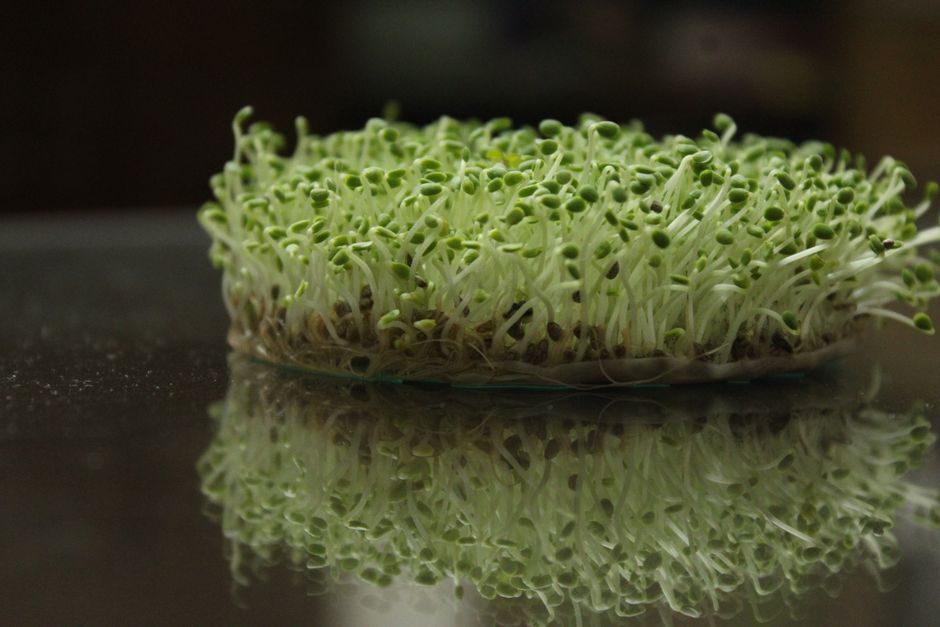
Sprouting brown rice at home is a simple process: soak raw brown rice for 12 hours, drain and rinse it, then let it sit in a jar covered with a mesh lid for another 12 to 24 hours, rinsing every 8 hours, until small white tails appear. You then cook and eat the sprouted rice immediately or store it in the fridge for up to three days. This method transforms plain brown rice into a more digestible, nutrient-dense food with a slightly sweeter, nuttier flavor.
What Exactly Is Sprouted Brown Rice?
Sprouted brown rice is simply whole grain brown rice that has been allowed to germinate, or begin growing, before being cooked. During germination, the dormant seed wakes up and starts producing enzymes that break down starches, proteins, and fats to fuel the new plant. This process changes the nutritional profile of the rice in measurable ways.
Regular brown rice is the entire grain with only the inedible outer husk removed. The bran layer and germ are still intact, which is why it is more nutritious than white rice. Sprouted brown rice takes this a step further by activating the natural biology of the grain. The result is a softer, slightly sweeter rice that many people find easier to digest.
Commercially, you can buy sprouted brown rice in stores, often labeled as “GABA rice.” GABA stands for gamma-aminobutyric acid, an amino acid that increases significantly during the sprouting process. Making it at home is cheaper and gives you full control over the freshness and sprouting time.
How To Sprout Brown Rice At Home: Step-by-Step
The process is straightforward and requires no special equipment. You need raw brown rice, a large bowl or jar, a mesh lid or cheesecloth, and water. Do not use instant, parboiled, or pre-cooked rice — only raw, whole grain brown rice will sprout.
Start by measuring your desired amount of dry brown rice. Rinse it thoroughly in a fine-mesh strainer to remove dust and debris. Place the rinsed rice in a large bowl or a quart-sized mason jar. Cover the rice with cool, filtered water by at least two inches. The rice will expand as it absorbs water.
Let the rice soak at room temperature for 12 hours. After soaking, drain the water completely. Rinse the rice with fresh cool water and drain again. If using a jar, secure a mesh lid or cheesecloth over the opening with a rubber band. This allows air to circulate while keeping the rice in place.
Turn the jar upside down at an angle in a bowl or on a dish rack so excess water can drip out and air can flow. Leave it at room temperature, out of direct sunlight. Every 8 hours, rinse and drain the rice again. After 12 to 24 hours, you will see tiny white tails — the sprouts — emerging from the grains. The rice is now ready to cook.
Does Sprouting Brown Rice Actually Change Its Nutrition?
Research published in the Journal of Agricultural and Food Chemistry and other peer-reviewed sources confirms that sprouting brown rice increases its levels of several key nutrients. The most notable change is a significant rise in GABA, a neurotransmitter that may help with relaxation and blood pressure regulation. The sprouting process also increases the availability of certain B vitamins, vitamin E, and magnesium.
There is also evidence that sprouting reduces phytic acid, a compound found in the bran layer of grains and seeds. Phytic acid binds to minerals like iron, zinc, and calcium, making them harder for your body to absorb. By breaking down some of the phytic acid, sprouting makes these minerals more bioavailable. This is one of the main reasons people choose sprouted grains over unsprouted ones.
However, the differences are not huge across the board. A 2019 study in the journal Foods found that while GABA levels increased 10 to 20 times in sprouted brown rice, the overall protein and fiber content changed very little. The main benefits are improved mineral absorption and the specific increase in GABA. It is not a superfood transformation — it is a modest, meaningful improvement.
| Nutrient | Regular Brown Rice | Sprouted Brown Rice |
|---|---|---|
| GABA (gamma-aminobutyric acid) | Low baseline | 10-20x higher |
| Phytic acid | Present (binds minerals) | Reduced by 20-50% |
| B vitamins | Moderate | Slightly increased |
| Fiber | ~3.5g per cup cooked | Roughly unchanged |
| Protein | ~5g per cup cooked | Roughly unchanged |


What Does the Research on Sprouted Brown Rice and Health Show?
Some studies suggest that regularly eating sprouted brown rice may have benefits for blood sugar control. A small 2014 study in the journal Nutrition Research and Practice found that people with type 2 diabetes who ate sprouted brown rice had lower post-meal blood sugar spikes compared to those who ate white rice. The effect was similar to what regular brown rice provides, but the sprouted version showed a slightly better insulin response.
Evidence also indicates potential benefits for mood and stress. The increased GABA in sprouted brown rice is the reason for this interest. GABA is an inhibitory neurotransmitter that calms nervous system activity. Some small human studies have shown that consuming sprouted brown rice can modestly reduce symptoms of stress and fatigue. The results are promising but not conclusive — most studies have been small and short-term.
What the research does not show is that sprouted brown rice cures any disease or replaces medical treatment. It is a whole food with a better nutritional profile than unsprouted brown rice. It fits well into a balanced diet, especially for people who want to improve mineral absorption or are looking for gentle blood sugar support. The CDC and the American Diabetes Association both recommend whole grains as part of a healthy diet, and sprouted brown rice qualifies as a whole grain.
How to Cook and Store Sprouted Brown Rice
Cooking sprouted brown rice is similar to cooking regular brown rice, but it requires less water and less time. Because the grain has already absorbed water and begun softening during sprouting, it cooks faster. Use a ratio of 1 cup sprouted rice to 1.5 cups water, compared to the usual 1:2 ratio for unsprouted brown rice.
Bring the water to a boil, add the rice, reduce to a simmer, cover, and cook for about 25 to 30 minutes. Check for doneness — the rice should be tender but still have a slight chew. Fluff with a fork and let it sit covered for 5 minutes before serving. You can also cook sprouted brown rice in a rice cooker using the same reduced water ratio.
Store cooked sprouted brown rice in an airtight container in the refrigerator for up to three days. It spoils faster than regular cooked rice because the sprouting process makes it more perishable. Do not leave cooked sprouted rice at room temperature for more than two hours. You can also freeze it in portion-sized bags for up to one month.
Raw sprouted rice, meaning the rice after sprouting but before cooking, should be cooked immediately. If you cannot cook it right away, dry it thoroughly in a food dehydrator or low oven (under 100°F) and store it in an airtight container in the fridge. This dried sprouted rice will keep for a few weeks and can be cooked later with the same reduced water method.
Common Mistakes and What to Avoid
The most common mistake is letting the rice sprout too long. Sprouts that grow longer than the grain itself start to develop a grassy, bitter taste and the rice becomes mushy when cooked. Stop the process when the tiny white tails are just visible — about the length of the grain or shorter. This usually happens between 12 and 24 hours of the draining stage.
Another frequent error is not rinsing often enough. Skipping a rinse allows bacteria to grow in the warm, damp environment. The rice can develop a sour smell, which means it has started to ferment rather than sprout. Rinse every 8 hours without fail. If you see any mold or smell anything off, discard the batch and start over.
Using old rice is also a problem. Brown rice that is more than a year old has a lower germination rate. The grains may not sprout at all, or only a fraction will produce tails. Buy fresh brown rice from a store with high turnover. If you want to test viability before committing to a full batch, sprout a tablespoon of rice first to see how many grains actually germinate.
- Do not use instant, parboiled, or pre-cooked rice — only raw brown rice works.
- Do not soak for longer than 12 hours without draining — the rice can ferment.
- Do not let the sprouts grow longer than the grain — the flavor turns bitter.
- Do not skip rinsing every 8 hours — bacteria can grow quickly.
- Do not store raw sprouted rice without drying it first — mold will develop.
Frequently Asked Questions
Can I sprout brown rice in a jar without special equipment?
Yes, a mason jar with a mesh lid or cheesecloth secured by a rubber band works perfectly for sprouting brown rice at home.
How long does it take to sprout brown rice at home?
The total process takes about 24 to 36 hours, including 12 hours of soaking and 12 to 24 hours of sprouting time.
Does sprouted brown rice taste different from regular brown rice?
Yes, sprouted brown rice has a slightly sweeter, nuttier flavor and a softer, less chewy texture compared to regular brown rice.
Can I eat sprouted brown rice raw?
Sprouted brown rice should always be cooked before eating to improve digestibility and reduce the risk of foodborne illness.
