
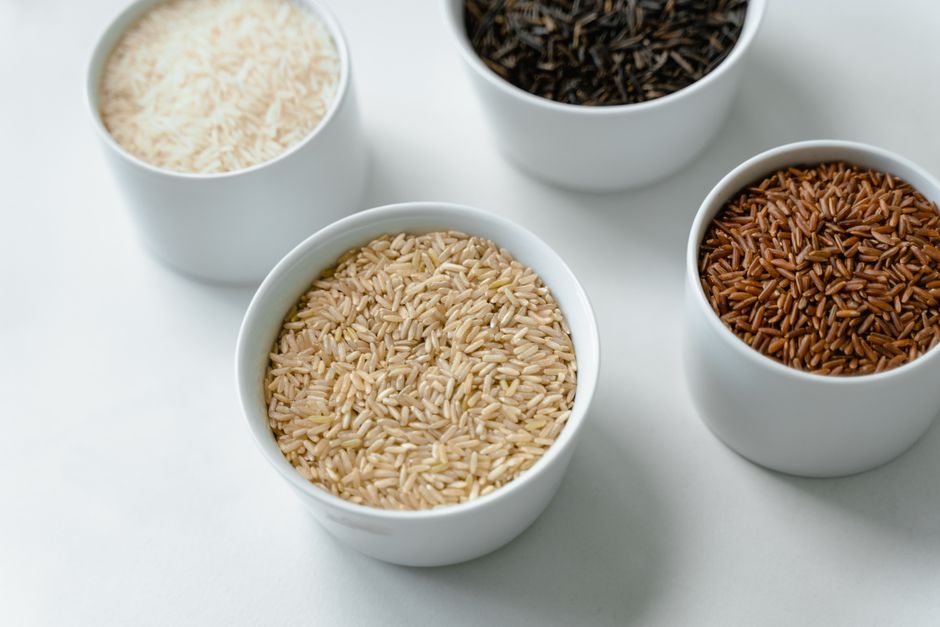
Rice vinegar is gluten free. It is made from fermented rice, and rice does not contain gluten. Plain rice vinegar contains no wheat, barley, or rye, so it is safe for people with celiac disease or gluten sensitivity. However, you still need to read the label. Some seasoned rice vinegars include added ingredients that may contain gluten.
What Is Rice Vinegar Made Of?
Rice vinegar starts with rice. The rice is fermented with water and a mold culture, which turns the starches into sugar and then into acetic acid. That acid gives vinegar its sour taste.
The fermentation process does not introduce gluten. Rice is naturally gluten free. The final product, before any flavoring, contains only rice-derived compounds and water.
This is different from malt vinegar, which is made from barley. Barley contains gluten. Distilled white vinegar is usually made from corn or grain, but the distillation process removes the gluten protein. Rice vinegar never had gluten to begin with.
Is All Rice Vinegar Gluten Free?
Plain rice vinegar is gluten free. The problem is not the vinegar itself. The problem is what manufacturers add to it.
Seasoned rice vinegar is the most common issue. It often contains sugar, salt, and sometimes soy sauce. Soy sauce traditionally contains wheat. Some brands use a wheat-free soy sauce, but many do not. If the label lists soy sauce, you cannot assume it is gluten free.
Flavored rice vinegars can also be a problem. Some include malt flavoring or other barley-derived ingredients. Always check the ingredient list.
Some brands also process rice vinegar in facilities that handle wheat. Cross-contamination is possible, though not common. If you have celiac disease, look for a label that says gluten free. That label means the product was tested or the facility follows strict protocols.
How to Check If Your Rice Vinegar Is Safe
Read the full ingredient list. Do not stop at the front of the bottle. The front may say “rice vinegar” while the back reveals added wheat ingredients.
- Look for the words “gluten free” on the label. This is the most reliable indicator.
- Check for soy sauce in the ingredients. If present, verify it is wheat free.
- Avoid products that list “malt” or “barley” anywhere in the ingredients.
- Be cautious with “seasoned” or “flavored” varieties. These are the ones most likely to contain gluten.
Plain rice vinegar has a short ingredient list. It should say rice, water, and sometimes a small amount of koji culture. If the list is longer than that, read it carefully.





Rice Vinegar vs. Other Vinegars
Not all vinegars are equal when it comes to gluten. Knowing the difference helps you make safer choices in the kitchen.
| Vinegar Type | Base Ingredient | Gluten Status |
|---|---|---|
| Rice vinegar | Fermented rice | Gluten free |
| Distilled white vinegar | Corn or grain alcohol | Gluten free after distillation |
| Apple cider vinegar | Fermented apples | Gluten free |
| Malt vinegar | Fermented barley | Contains gluten |
| Balsamic vinegar | Grapes | Gluten free, but check for additives |
Malt vinegar is the main risk. It is made directly from barley, so it contains gluten. Some people also react to balsamic vinegar if it is aged in barrels that previously held wheat products, but this is rare and the gluten transfer is minimal. Most gluten free guidelines consider balsamic vinegar safe.
What About Soy Sauce in Sushi?
Rice vinegar is a common ingredient in sushi rice. The rice itself is usually safe. But sushi is often served with soy sauce, and traditional soy sauce contains wheat.
If you are eating sushi, the rice vinegar is not the concern. The soy sauce is. Ask for gluten free tamari or bring your own. Also check for imitation crab, which often contains wheat starch.
Many people blame rice vinegar for a reaction after sushi when the real culprit was soy sauce or another ingredient. Knowing this can help you avoid unnecessary worry.
Is Rice Vinegar Safe for Celiac Disease?
Yes, plain rice vinegar is safe for people with celiac disease. The gluten free diet requires avoiding wheat, barley, and rye. Rice vinegar is made from rice, which contains none of these.
The Celiac Disease Foundation and other major celiac organizations recognize rice vinegar as gluten free. This is not a debated topic in the medical community. The only caution is the same one that applies to any packaged food: read the label.
If you have celiac disease, your immune system reacts to even tiny amounts of gluten. That is why label reading matters more for you than for someone with a mild sensitivity. A product that is “gluten free” by ingredient list may still carry a risk if it is made on shared equipment.
Common Gluten Contamination Risks
Rice vinegar itself is not a common source of gluten exposure. But there are a few scenarios where it could become contaminated.
Shared kitchen utensils are the most realistic risk. If you use the same spoon to scoop rice vinegar and then touch a wheat product, you could transfer gluten. This is not a manufacturing issue. It is a kitchen hygiene issue.
Bulk bins at grocery stores can also be a problem. People may use the same scoop for multiple products. If you are highly sensitive, buy bottled rice vinegar instead of using bulk dispensers.
Restaurants can also be unpredictable. A dish labeled as gluten free may still contain rice vinegar that was seasoned with soy sauce. Ask your server to confirm the vinegar is plain, not seasoned.
How to Use Rice Vinegar in a Gluten Free Diet
Rice vinegar is a versatile ingredient. It adds acidity without the harshness of white vinegar. It works well in salad dressings, marinades, and stir-fry sauces.
For a simple gluten free dressing, mix rice vinegar with olive oil, salt, and pepper. Add a little honey if you want sweetness. This is a safe base that you can adjust to your taste.
When making sushi at home, use plain rice vinegar on your rice. Season it yourself with sugar and salt instead of buying pre-seasoned vinegar. This gives you full control over the ingredients.
Rice vinegar also works in pickling. It is milder than white vinegar, so it produces a gentler pickle flavor. Use it for cucumbers, carrots, or radishes.
What to Do If You React After Eating Rice Vinegar
If you experience symptoms after eating rice vinegar, the vinegar may not be the cause. Look at everything else you ate. Soy sauce, marinades, and processed foods are more likely sources of gluten.
If you consistently react to rice vinegar specifically, consider the possibility of a rice allergy. This is rare but real. Rice allergy symptoms include hives, swelling, and digestive issues. These are different from celiac disease symptoms, which involve intestinal damage over time.
Some people also confuse a histamine reaction with a gluten reaction. Vinegar is high in histamines. If you are sensitive to histamines, you may experience headaches or flushing after eating any vinegar. This is not a gluten issue.
Frequently Asked Questions
Is seasoned rice vinegar gluten free?
Not always. Seasoned rice vinegar often contains added soy sauce, which may include wheat. Check the label for gluten free certification or a wheat free soy sauce.
Can rice vinegar cause a gluten reaction?
Plain rice vinegar cannot cause a gluten reaction because it contains no gluten. A reaction is more likely from added ingredients or cross-contamination in the kitchen.
Is sushi rice with rice vinegar safe for celiacs?
The rice vinegar in sushi rice is safe. The bigger risk is the soy sauce served with sushi, which typically contains wheat. Ask for gluten free tamari instead.
Does rice vinegar contain wheat?
Plain rice vinegar does not contain wheat. Some flavored or seasoned varieties may include wheat-derived ingredients, so always read the label.
