
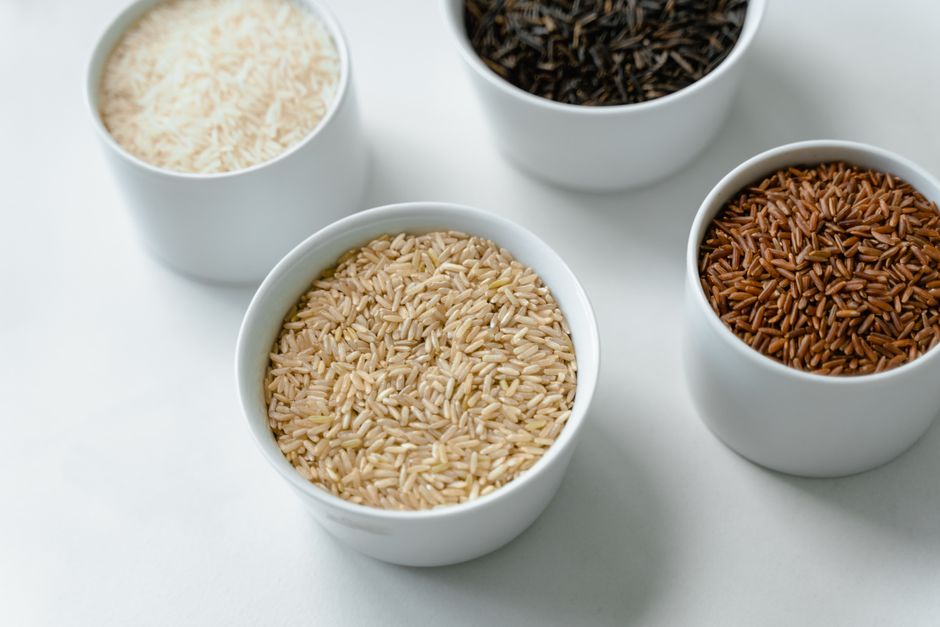
Yes, brown rice is safe for people with diabetes to eat. It is a whole grain with more fiber than white rice, which slows down digestion and helps prevent sharp spikes in blood sugar. That said, portion control still matters, and how your body responds can vary from another person’s response.
How Does Brown Rice Affect Blood Sugar Compared to White Rice?
Brown rice and white rice come from the same plant. The difference is in processing. White rice has the bran and germ removed, leaving mostly the starchy endosperm. Brown rice keeps the bran and germ intact.
The bran layer is where most of the fiber lives. Fiber is not digested like other carbohydrates. It slows the breakdown of starches into sugar. This means the glucose from brown rice enters your bloodstream more gradually than the glucose from white rice.
Research consistently shows that replacing white rice with brown rice leads to a smaller blood sugar response after a meal. One large study published in the British Medical Journal found that people who ate five or more servings of white rice per week had a higher risk of type 2 diabetes compared to those who ate brown rice. The same study estimated that swapping white rice for brown rice could reduce diabetes risk by about 16 percent.
For people who already have diabetes, the benefit is about glucose control. A smaller, slower rise in blood sugar is easier for your body to manage. This does not mean brown rice is a free food. It still contains carbohydrates, and those carbohydrates raise blood sugar.
What Is the Glycemic Index of Brown Rice?
The glycemic index, or GI, ranks foods by how quickly they raise blood sugar. Foods with a high GI cause a fast, sharp increase. Foods with a low GI cause a slower, smaller increase.
Brown rice has a medium GI. Most varieties fall in the range of 50 to 69. White rice has a higher GI, typically in the 70s or 80s depending on the variety and cooking method.
A lower GI is generally helpful for diabetes management. But GI does not tell the whole story. The glycemic load, or GL, accounts for both the GI and the amount of carbohydrate in a serving. A half-cup serving of cooked brown rice has a moderate glycemic load. Eating a large portion raises the glycemic load even if the GI stays the same.
This is why portion size matters more than the type of rice alone. You can eat brown rice and still see a significant blood sugar rise if you eat too much.
How Much Brown Rice Can a Diabetic Eat?
There is no single serving size that works for everyone. Carbohydrate needs depend on body size, activity level, medications, and overall diet.
A common starting point is about one-third to one-half cup of cooked rice per meal. That equals roughly 15 to 20 grams of carbohydrates. Many people with diabetes use carbohydrate counting to match their insulin or medication doses to what they eat.
The American Diabetes Association does not recommend a specific amount of rice. Instead, they emphasize consistent carbohydrate intake and portion awareness. A half-cup of cooked brown rice is a reasonable portion for many adults, but your individual target may differ.
Working with a registered dietitian or diabetes educator is the most reliable way to determine your personal carbohydrate budget. They can help you build meals that keep blood sugar in range without cutting out foods you enjoy.





Does the Way You Cook Brown Rice Change Its Effect?
Cooking method affects how quickly your body digests the starches in rice. Longer cooking times break down the grain more completely, which can lead to a faster blood sugar response.
Cooling cooked rice before eating changes its starch structure. Some of the digestible starch converts to resistant starch during cooling. Resistant starch acts like fiber — it passes through the small intestine undigested and feeds beneficial gut bacteria instead of raising blood sugar.
Some studies suggest that reheating cooled rice preserves some of this resistant starch benefit. This is not a reason to eat cold rice, but it does mean leftover rice from the refrigerator may have a slightly smaller effect on blood sugar than freshly cooked rice.
The practical takeaway is simple. Cooking brown rice until just tender, rather than soft and mushy, may help keep the blood sugar response lower. Pairing rice with protein, vegetables, or healthy fats also slows digestion and blunts the glucose rise.
What Are the Best Alternatives to Brown Rice?
Brown rice is a solid choice, but it is not the only whole grain available. Some alternatives have even more fiber or protein per serving.
Quinoa is a complete protein and cooks quickly. It has a similar carbohydrate content to brown rice but offers more protein, which can help with satiety.
Barley and farro are ancient grains with high fiber content. Barley in particular has a strong effect on blood sugar because of its beta-glucan fiber, which forms a gel in the digestive tract and slows absorption.
Cauliflower rice is not a grain at all. It contains minimal carbohydrates and does not raise blood sugar meaningfully. Many people use it as a low-carb substitute when they want a rice-like texture without the glucose load.
Shirataki rice, made from konjac root, is very low in digestible carbohydrates. It has a neutral taste and takes on the flavor of whatever you cook with it.
Each of these options has trade-offs. Quinoa and barley still contain meaningful carbohydrates. Cauliflower rice and shirataki rice do not, but their texture and taste are different from traditional rice.
Is Brown Rice Safe For Diabetics To Eat Every Day?
Eating brown rice daily is safe for most people with diabetes. The key is consistency and portion control.
Daily consumption of a consistent carbohydrate amount can actually make blood sugar management easier. If you eat the same portion of brown rice each day, you can learn how your body responds and adjust your medication or activity accordingly.
Some people worry that eating rice every day, even brown rice, is too many carbohydrates. That depends entirely on the rest of your diet. A meal with brown rice, grilled chicken, and vegetables can be well balanced. A meal with brown rice, fried foods, and sugary sauce will not be.
The bigger concern for many people with diabetes is not the rice itself but the overall carbohydrate load of the meal. Rice is often served alongside other starchy foods like bread, potatoes, or beans. Combining multiple starches in one meal can push total carbohydrates higher than intended.
Frequently Asked Questions
Is brown rice better than white rice for diabetics?
Yes, brown rice is generally better than white rice for blood sugar control because it has more fiber and a lower glycemic index. The difference is modest, so portion size still matters.
Can brown rice spike blood sugar?
Yes, brown rice can raise blood sugar because it still contains carbohydrates. The rise is usually slower and smaller than with white rice, but a large portion can still cause a significant spike.
How much brown rice should a diabetic eat per meal?
A common starting portion is one-third to one-half cup of cooked brown rice, which provides about 15 to 20 grams of carbohydrates. Your ideal amount depends on your medications, activity level, and overall diet.
Does rinsing brown rice reduce its carbs?
Rinsing brown rice removes surface starch but does not significantly reduce its carbohydrate content. The fiber and starch are inside the grain, so rinsing will not meaningfully change blood sugar impact.
