
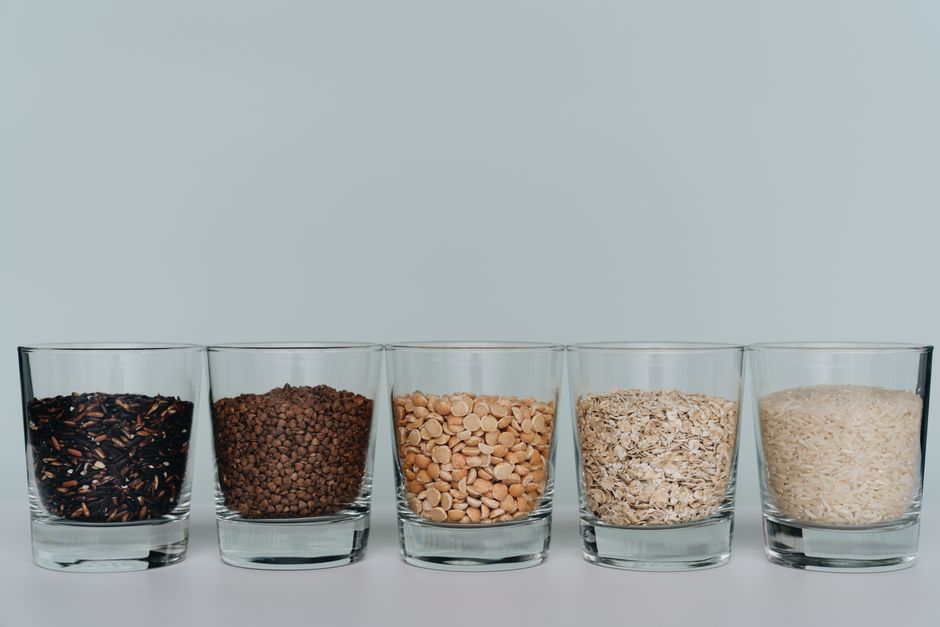
Black rice is a whole grain that offers real nutritional benefits, including a high concentration of anthocyanins—the same antioxidants found in blueberries and blackberries. Unlike white rice, which has the bran and germ removed, black rice retains these nutrient-dense layers, providing more fiber, protein, and plant compounds. It is a healthy choice for most people, though portion size and preparation matter just as much as the grain itself.
What Makes Black Rice Different From White Rice?
The main difference comes down to processing. White rice is milled to remove the husk, bran, and germ. This process extends shelf life and shortens cooking time, but it also strips away most of the fiber, vitamins, and minerals.
Black rice is a whole grain. Only the inedible outer husk is removed. The bran and germ stay intact, which is why it takes longer to cook and has a chewier texture. That same bran gives black rice its deep purple-black color and most of its nutritional value.
The color is not just for appearance. The pigment comes from anthocyanins, a class of antioxidant compounds. Research consistently shows that anthocyanins have anti-inflammatory properties and may help protect cells from oxidative damage. White rice contains virtually none of these compounds.
Is Black Rice Healthy for Blood Sugar Control?
Black rice has a lower glycemic index than white rice. The glycemic index measures how quickly a food raises blood glucose. Lower is generally better for blood sugar management.
The fiber in black rice slows digestion. This means glucose enters the bloodstream more gradually compared to white rice, which is rapidly digested and absorbed. Some research suggests that replacing white rice with whole grain rice varieties can improve fasting blood sugar and insulin sensitivity.
However, black rice is still a carbohydrate. For people with diabetes or prediabetes, portion control remains essential. A typical serving is about half a cup of cooked rice. Eating large portions of any rice—even whole grain—will raise blood sugar.
What Nutrients Does Black Rice Provide?
Black rice is a solid source of several important nutrients. Per cooked half-cup serving, it provides roughly 80-90 calories, about 2 grams of protein, and 1.5-2 grams of fiber. That fiber content is significantly higher than white rice, which has less than 1 gram per serving.
It also contains meaningful amounts of iron and magnesium. These minerals are often lost during the refining of white rice. Iron supports oxygen transport in the blood, and magnesium plays a role in muscle function, nerve signaling, and bone health.
Black rice is naturally gluten-free. It is a suitable grain for people with celiac disease or gluten sensitivity, provided it is not cross-contaminated during processing. The USDA recognizes black rice as part of the whole grain food group, and dietary guidelines recommend making at least half of your grains whole.





Does Black Rice Have More Protein Than Other Rice?
Black rice has slightly more protein than white rice, but the difference is modest. A half-cup serving contains about 2 grams of protein. Brown rice contains a similar amount.
Rice protein is not a complete protein. It is low in the amino acid lysine. That means it should not be your only protein source. Pairing black rice with beans, lentils, or other legumes provides complementary amino acids and creates a complete protein meal.
For most people, the protein in black rice is a minor benefit. The more significant advantages are the fiber and anthocyanin content.
How Does Black Rice Compare to Brown Rice?
Both are whole grains, so both are healthier than white rice. The differences are subtle but worth understanding.
| Nutrient (per 1/2 cup cooked) | Black Rice | Brown Rice |
|---|---|---|
| Calories | ~85 | ~110 |
| Fiber | ~2 g | ~2 g |
| Protein | ~2 g | ~2.5 g |
| Anthocyanins | Present | Minimal |
| Iron | Higher | Moderate |
Brown rice may have a slight edge in protein and calories, but black rice contains anthocyanins that brown rice lacks. Both are excellent choices. The best option is the one you will actually eat regularly.
One practical note: black rice takes longer to cook than brown rice, often 30-40 minutes. Some people find the texture too chewy. Soaking it for a few hours before cooking can reduce cooking time and improve texture.
Are There Any Risks or Downsides to Black Rice?
Black rice is safe for most people. There are a few considerations.
Arsenic levels in rice are a genuine concern. Rice absorbs arsenic from soil and water more readily than most other grains. Brown and black rice contain more arsenic than white rice because arsenic concentrates in the bran—which is exactly the layer you want to keep for nutrition.
This does not mean you should avoid black rice. It means you should vary your grains. Rotate between rice, quinoa, barley, oats, and other whole grains. Rinsing rice thoroughly before cooking and cooking it in excess water can reduce arsenic content, though this also washes away some water-soluble nutrients.
For infants and young children, rice-based foods should be limited. The FDA has issued guidance about arsenic in rice for this age group. For adults, eating black rice a few times per week as part of a varied diet is not a meaningful health risk.
Another consideration: black rice contains phytic acid, an antinutrient that can reduce absorption of iron and zinc. This is true of all whole grains. If you have iron deficiency, eating black rice alongside vitamin C-rich foods—like tomatoes or citrus—can help offset this effect. Soaking or fermenting the rice also reduces phytic acid.
Is Black Rice Healthy for Weight Management?
Black rice can be helpful for weight management, but it is not a magic food. The fiber content increases satiety, meaning you feel full longer after eating it. This can naturally reduce overall calorie intake.
One small study found that people who ate whole grains instead of refined grains had slightly higher resting metabolic rates. The effect was modest. No food alone causes weight loss. Black rice is a useful swap for white rice, not a standalone solution.
Watch your portion size. Because black rice is dense and chewy, a half-cup looks smaller than you might expect. Measure it at first until you have a visual reference.
How Should You Cook and Store Black Rice?
Basic cooking method: combine 1 cup black rice with 2 cups water or broth. Bring to a boil, reduce heat to low, cover, and simmer for about 30-40 minutes. Let it rest for 5 minutes before fluffing with a fork.
Soaking the rice for 2-4 hours before cooking reduces the time to about 20-25 minutes and improves the texture. Some people soak overnight.
Cooked black rice keeps in the refrigerator for up to 4-5 days in an airtight container. It also freezes well. Portion it into individual servings and freeze for up to 3 months.
Uncooked black rice has a longer shelf life than brown rice because of its higher antioxidant content, which slows oxidation. Stored in a cool, dry place, it can last for years, though quality is best within 1-2 years.
Frequently Asked Questions
Is black rice healthier than white rice?
Yes. Black rice is a whole grain with more fiber, protein, and antioxidants than white rice, which has the bran and germ removed.
Does black rice taste different from other rice?
Yes. It has a slightly nutty, earthy flavor and a chewier texture than white or brown rice.
Can you eat black rice every day?
Yes, but it is wise to rotate your grains. Varying your whole grain sources limits arsenic exposure and provides a wider range of nutrients.
Is black rice good for weight loss?
It can help because its fiber increases fullness. However, portion control still matters since it is a carbohydrate-dense food.
